
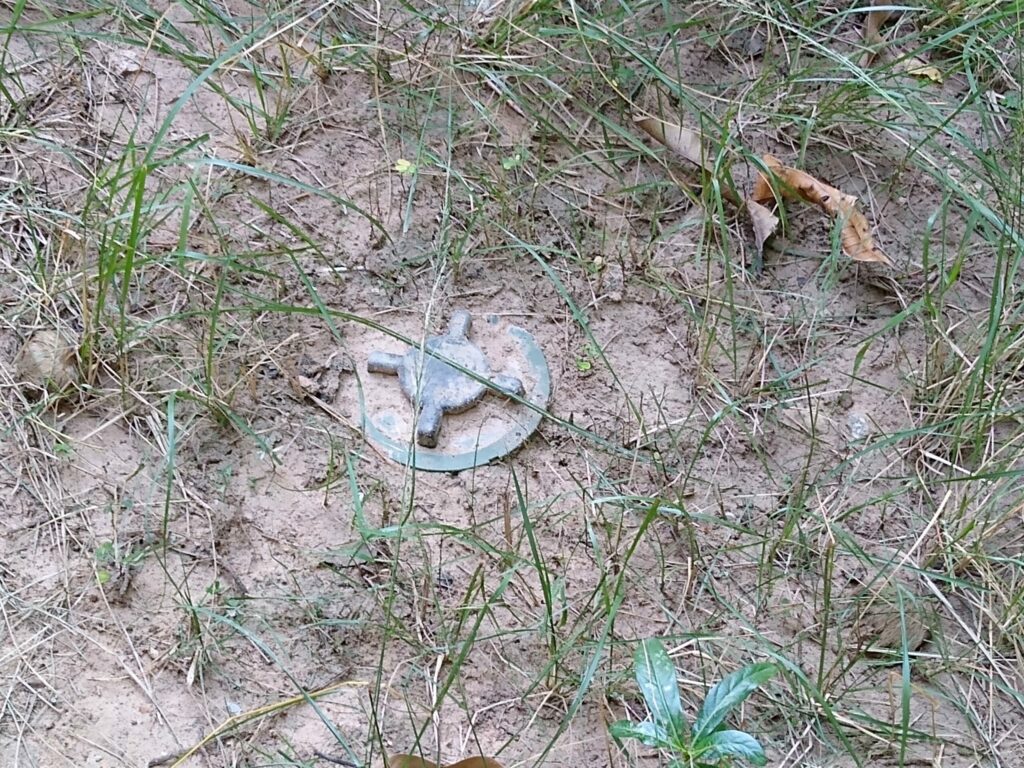
Anti-personnel landmines and other explosive devices are still killing and injuring civilians long after wars end, with children disproportionately affected, according to an EU statement issued for the International Day for Mine Awareness and Assistance in Mine Action.
Mines and explosive remnants of war also block humanitarian access and slow recovery and development in affected areas, said the statement issued on Saturday by the European External Action Service (EEAS) on behalf of the EU.
The EU said it provides more than €100 million each year for mine action, including funding for clearing mines, supporting victims and their families, and education in affected communities.
Support for victims includes medical care, rehabilitation and help with social and economic reintegration, it added.
Ukraine and international commitments
About a quarter of Ukraine’s territory is contaminated with mines, including in parks, under roads and across farmland, the statement said.
Since Russia’s full-scale invasion began in 2022, the EU and its member states have mobilised more than €360 million for demining in Ukraine, it said, describing the EU as the largest donor there.
That funding includes specialist equipment and detection dogs.
The EU also said it remained committed to the Anti-Personnel Mine Ban Convention — the international treaty that bans the use, stockpiling, production and transfer of anti-personnel mines — and to its universal application.
Croatia is expected to be declared mine-free in 2026, the EU statement said.
Tonga, the Marshall Islands and Lebanon have also taken steps to strengthen the Convention, it added.
