
A Council of Europe anti-torture body has reported generally good staff relations and no allegations of physical ill-treatment in the psychiatric hospitals and social-care homes it inspected in Ukraine in 2025, while describing wide differences in living conditions and gaps in therapeutic support.
The European Committee for the Prevention of Torture and Inhuman or Degrading Treatment or Punishment (CPT) published findings from a visit to Ukraine from 26 May to 6 June 2025, alongside a response from the Ukrainian authorities, the CE press service informed on Wednesday.
Inspectors examined the treatment and conditions of people involuntarily admitted to psychiatric hospitals, and residents in social-care homes for disabled and older people, in the Lviv, Kyiv, Orlivka, Vinnytsia and Odesa regions.
This was the CPT’s second visit to Ukraine since Russia’s full-scale invasion began in February 2022, and two of the establishments visited housed significant numbers of people evacuated from eastern Ukraine.
The CPT said it found a “relaxed atmosphere” overall, with good staff-patient and staff-resident relations, and that conflicts between patients or residents occurred at times but were not serious and were dealt with promptly.
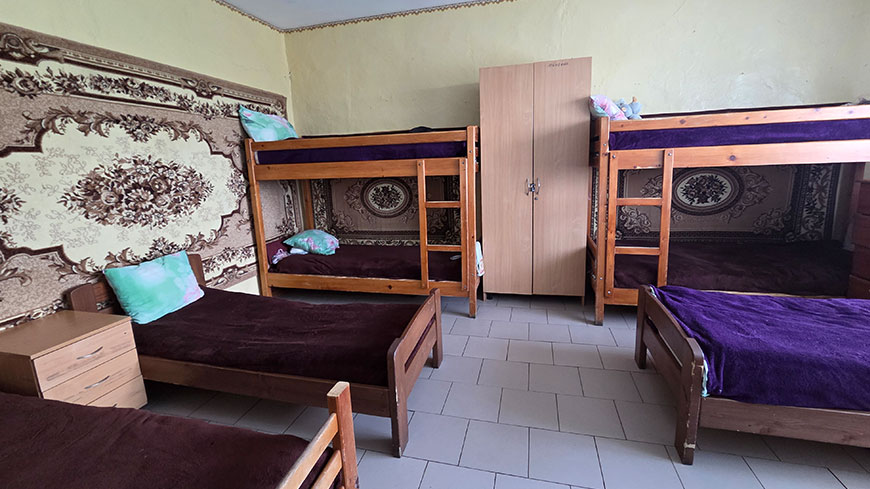
Living conditions varied widely, with refurbished wards offering smaller, personalised rooms, while non-refurbished wards were described as cramped and austere, with limited privacy and no lockable storage.
Treatment largely medication-based, with concerns over restraint practices
Healthcare staffing levels appeared generally sufficient in the psychiatric hospitals visited, but social-care homes would “clearly benefit” from more doctors, nurses and orderlies, the CPT said.
Across both types of establishment, the biggest shortfall was a lack of therapeutic and rehabilitation staff — such as occupational therapists, physiotherapists and social workers — and treatment was “essentially based” on medication.
In one hospital in Orlivka, dosages and combinations of medicines were sometimes “rather high” amid a shortage of psycho-social therapeutic activities.
Seclusion was not used in any of the psychiatric hospitals visited, and mechanical restraint — fixing a patient to restrict movement — was used infrequently and only as a last resort for short periods, according to the report.
However, the committee raised concerns that patients were sometimes restrained in view of other patients and that police officers could sometimes be asked to help restrain a patient, and said these practices must be eliminated.
The CPT also said chemical restraint — using medicines to control behaviour — was used but not recorded.
On legal safeguards, the committee said involuntary psychiatric hospitalisation procedures appeared to be followed and all patients had access to legal assistance and a court hearing, but it questioned whether consent given by patients on admission could genuinely be considered free and informed.
In social-care homes, residents often received little explanation of contracts they signed, including their right to be discharged, and were not given a copy.
The committee also reiterated concern that many legally incapacitated residents had the care home director acting as their legal guardian, and said alternative solutions were needed to ensure independent and impartial guardians.
Ukraine’s authorities said they had taken measures in response to the CPT’s recommendations, including legislative and policy reforms and ongoing efforts to improve living conditions, staffing and therapeutic options.
