
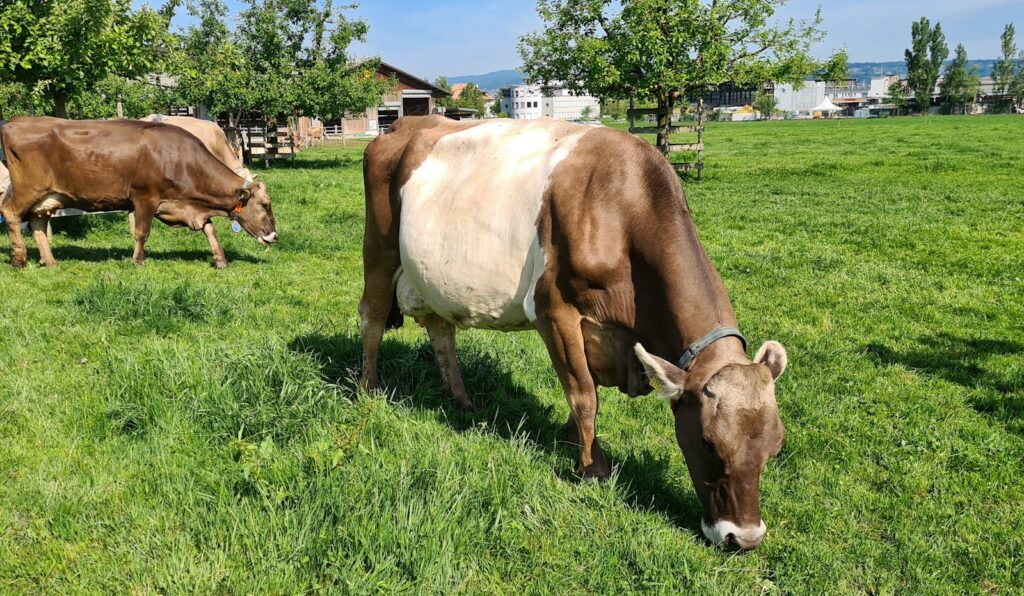
One in three habitats protected under EU law depends on low-intensity grazing, and around 10 – 15% of the EU’s cattle, sheep and goats are needed to help maintain those areas.
Habitats that would benefit from grazing or mowing cover at least 35 million hectares across the EU, about 22% of the bloc’s official farmland area, the European Environment Agency said in its latest publication on Wednesday.
About 10 – 15% of the EU-27’s ruminant livestock would be enough to manage grazing-dependent protected habitats if animals were distributed appropriately, it added, putting the figure at around 7.8 million animals.
Economic pressures and technological change have driven a shift towards intensive farming systems, with livestock housed for most or all of the year, the agency said, linking the change to land abandonment in habitats that depend on grazing.
Extensive livestock farms down sharply
The number of extensive and mixed-livestock farms fell by more than 70% between 2010 and 2020, European Commission analysis found.
Intensive livestock systems are largely concentrated in the EU’s most productive areas, while extensive grazing-based systems are mostly in less productive, more remote regions, the EEA said.
Grassland habitats are among those where extensive grazing or mowing can help conserve threatened species, including protected butterfly species covered by EU law, 92% of which depend on extensively managed grasslands.
