
The European Commission said it will invest €1.07 billion in 57 new European Defence Fund projects after evaluating the programme’s 2025 funding calls.
More than 15 of the selected projects will support four EU defence “flagships” set out in the Defence Readiness Roadmap 2030 — the European Drone Defence Initiative, Eastern Flank Watch, the European Air Shield and the European Space Shield, the Commission said in a statement on Wednesday.
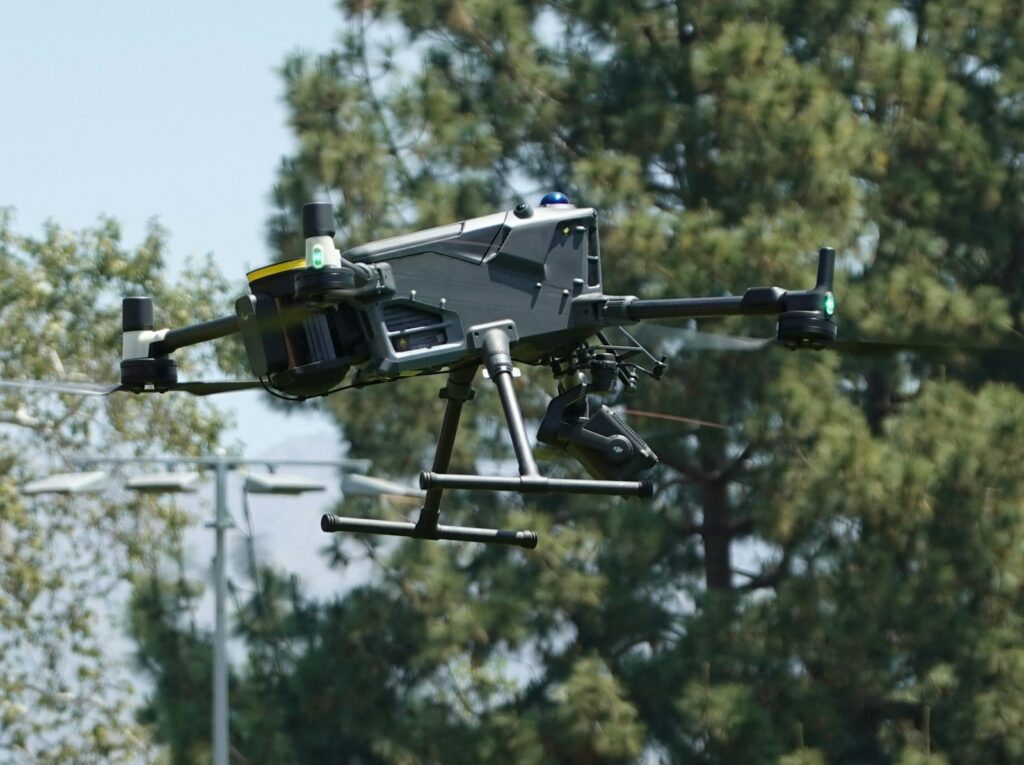
The projects cover areas including artificial intelligence, cyber defence, drones and counter-drone systems.
One project, AETHER, will work on propulsion and thermal management systems linked to the European Drone Defence Initiative, the Commission noted.
It also said the flagships will draw on other projects focused on sensors, digital transformation and cyber technologies.
Ukraine link and funding for smaller firms
The Commission said cooperation with Ukraine’s defence industry is being supported via the EU Defence Innovation Office in Kyiv, including Project STRATUS, which will develop an AI-powered cyber defence system for drone swarms and includes a Ukrainian subcontractor.
Several projects focused on mass-producing “affordable drone munitions” will open sub-calls for start-ups and small and medium-sized enterprises, offering up to €60,000 each to help integrate new innovations. Ukrainian entities will also be able to apply.
The selected projects involve 634 entities from 26 EU member states and Norway, the Commission said, adding that SMEs make up more than 38% of participants and will receive more than 21% of the total funding.
Of the funding, €675 million will support 32 capability development initiatives and €332 million will go to 25 research projects, the Commission said.
Grant agreement preparations will now begin with the project consortia, with agreements due to be signed before the end of the year.
The Commission said the European Defence Fund is the EU’s main tool for supporting co-operative defence research and development, with a budget of €7.3 billion for 2021 to 2027, and that this year’s call drew 410 proposals, a 37% increase from last year.
