
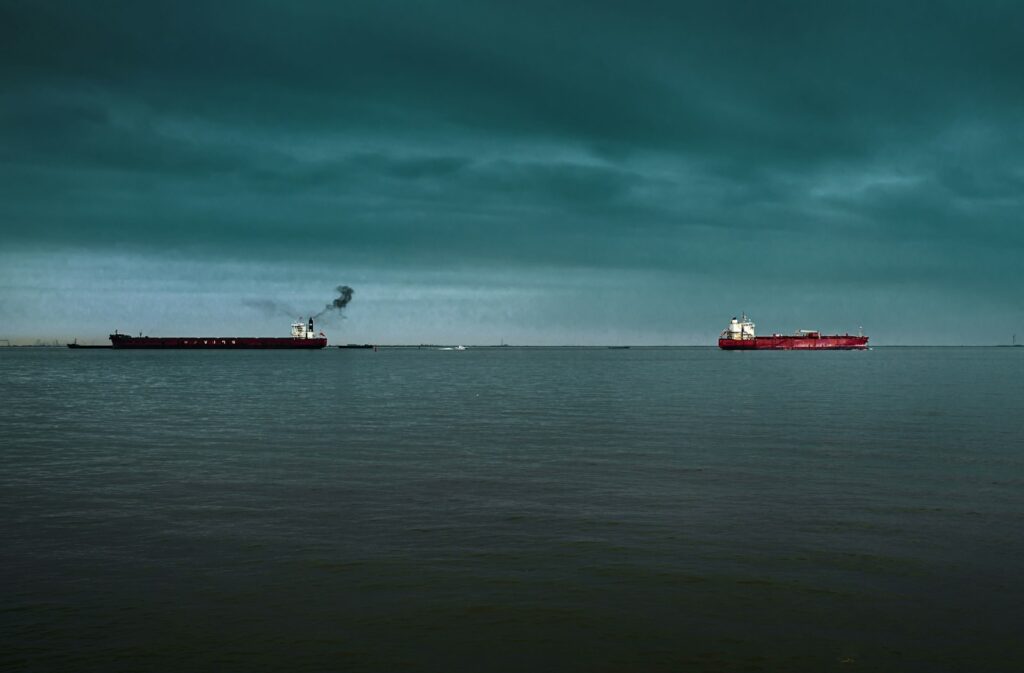
Disruptions to energy flows through the Strait of Hormuz have prompted new concerns about energy security across the EU, with officials saying there are currently no immediate risks to oil or gas supplies for EU countries.
Energy security means having enough energy to meet demand even during shocks, and the EU still relies heavily on imported fuel, according to a statement released by the European Commission on Monday.
The EU imported 57% of its energy in 2024, while producing 43% domestically.
Oil and petroleum products made up the largest share of the EU’s energy mix in 2024 at 38%, followed by natural gas at 21%, renewable energy at 20%, nuclear energy at 12% and solid fuels such as coal at 10%.
The EU’s energy imports were dominated by fossil fuels in 2024, with petroleum products accounting for 67% and natural gas for 24%, while electricity made up 3% and renewable energy 2%.
Cutting reliance on single suppliers
The share of Russian gas in the EU’s total gas imports fell from 45% in 2021 to 12% in 2025, as the EU moved to phase out fossil fuel imports from Russia under the REPowerEU roadmap, the Commission said.
In 2025, the EU imported 31% of its gas from Norway, 26% from the United States, 13% from North Africa, and 4% each from Azerbaijan and Qatar.
Liquefied natural gas — natural gas cooled into liquid so it can be shipped rather than sent by pipeline — rose from 20% of total EU gas imports in 2021 to 45% in 2025.
EU countries are required to hold emergency oil stocks equal to at least 90 days of net imports.
International Energy Agency members carried out a coordinated oil stock release of more than 400 million barrels in March 2026, with EU countries contributing about 20% of the total.
Gas storage is also a key part of the bloc’s winter planning, with up to 35% of the gas consumed in winter coming from storage, according to the Commission.
It said it called on EU countries in March 2026 to start filling gas storage and prepare in a coordinated way for winter 2026–27.
EU rules also allow countries to prioritise households and essential social services such as hospitals during a gas supply crisis, while for electricity, protections can apply where personal security or public safety would be at risk.
