
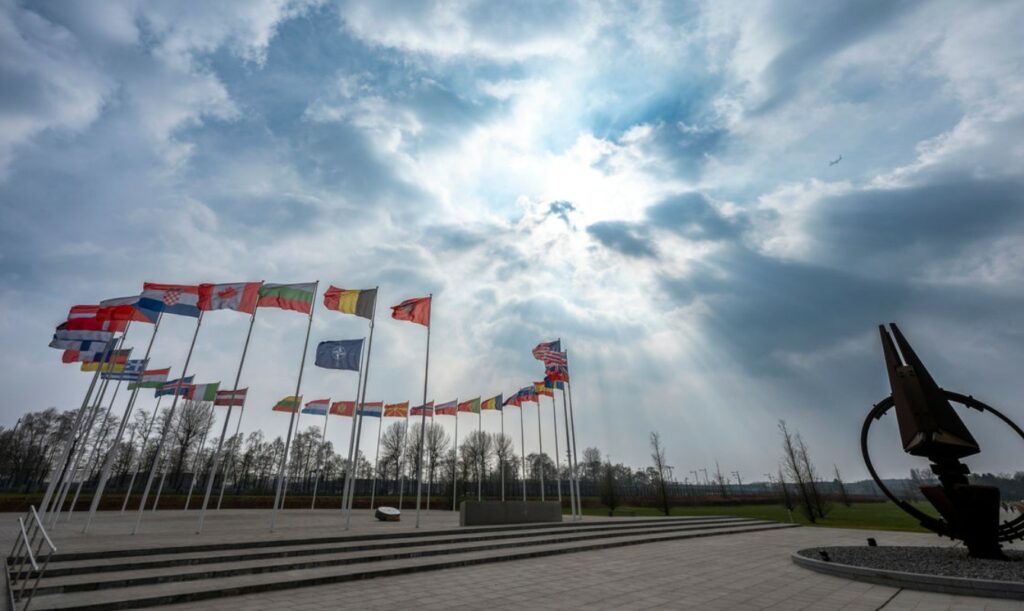
NATO has reaffirmed its commitment to the global nuclear non-proliferation treaty ahead of the 11th Review Conference, while accusing Russia of violating arms control commitments and criticising China’s nuclear build-up.
The North Atlantic Council said NATO Allies remained committed to the “full implementation” of the Treaty on the Non-Proliferation of Nuclear Weapons (NPT), the 1970 agreement designed to limit the spread of nuclear weapons while enabling cooperation on peaceful nuclear technology.
The security environment had deteriorated and posed challenges relevant to the NPT, with proliferation crises continuing and escalating, the NATO Council declared in a statement on Tuesday.
It accused Russia of using “irresponsibly threatening nuclear rhetoric” and said Moscow had violated “crucial arms control commitments”.
China was described as rapidly expanding and diversifying its nuclear arsenal “without transparency.”
NATO repeats stance on nuclear deterrence and sharing
NATO said it would remain a nuclear alliance “as long as nuclear weapons exist”, describing the purpose of its nuclear capability as preserving peace, preventing coercion and deterring aggression.
The alliance stated it had always adhered to its obligations under the NPT, and argued that NATO’s nuclear sharing arrangements were fully consistent with the treaty and had been in place since before the NPT entered into force in 1970 and its indefinite extension in 1995.
Allies rejected attempts to delegitimise nuclear deterrence and said the Treaty on the Prohibition of Nuclear Weapons did not change their legal obligations regarding nuclear weapons.
NATO said it remained committed to arms control, disarmament and non-proliferation, including the NPT’s Article VI goal of a “worldwide verifiable elimination of nuclear weapons”, and said it would work with all NPT State Parties towards a successful Review Conference.
