
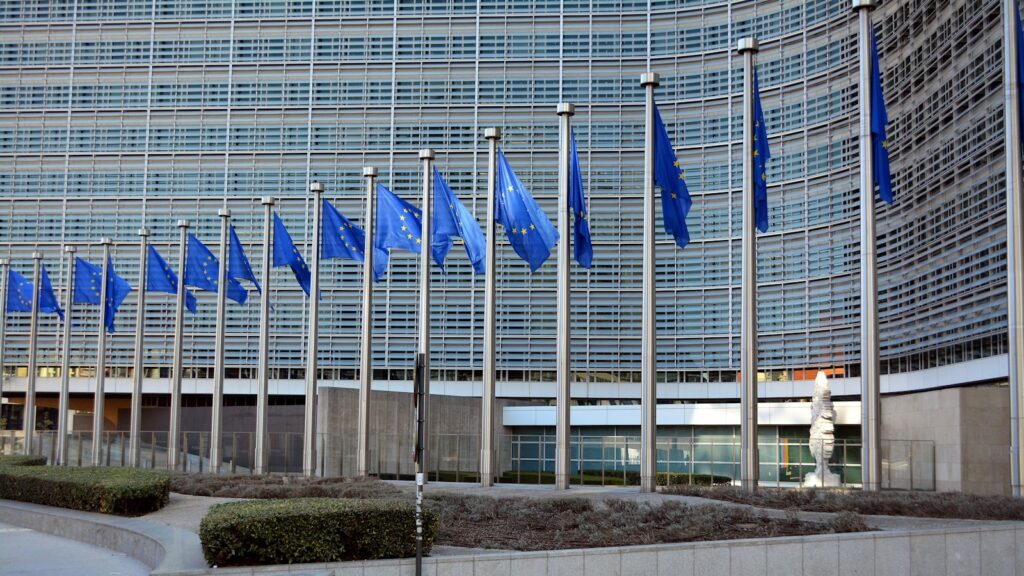
EU countries will be allowed to grant temporary state aid to companies in sectors hit hardest by the Middle East crisis under a new framework adopted by the European Commission.
The scheme, called the Middle East crisis Temporary State aid Framework (METSAF), covers agriculture, fisheries, transport and energy-intensive industries, and will run until 31 December 2026, the Commission informed in a statement on Wednesday.
For agriculture, fisheries, land transport (road, rail and inland waterways) and intra-EU short sea shipping, member states will be able to compensate businesses for up to 70% of extra costs linked to increases in fuel and fertiliser prices caused by the crisis.
The extra costs are to be calculated by comparing current market prices with a historical benchmark set by each member state, and then applying the difference to a company’s current — or latest pre-crisis — consumption.
Member states will also have the option to use a simplified route for smaller sums, allowing aid to be calculated using proxies such as the size and type of a firm’s activities or estimated sector fuel use, rather than requiring detailed consumption evidence.
Under this approach, each beneficiary can receive up to €50,000.
Electricity price relief for energy-intensive firms
For energy-intensive industries that already qualify for temporary electricity price relief under the EU’s Clean Industrial Deal State aid Framework, the permitted aid intensity can rise from 50% to up to 70% of eligible electricity costs, the Commission said.
The support can cover up to half of a beneficiary’s total electricity consumption.
The Commission said the measures under METSAF must be notified to it and will be subject to a fast approval process.
It also said it is ready to assess, case by case and subject to requirements, temporary measures that could include subsidising fuel costs for gas-fired electricity generation to reduce overall electricity costs.
The European Council called on 19 March 2026 for targeted temporary measures in response to spikes in imported fossil fuel prices, and also urged steps to lower electricity prices and address short-term volatility.
