
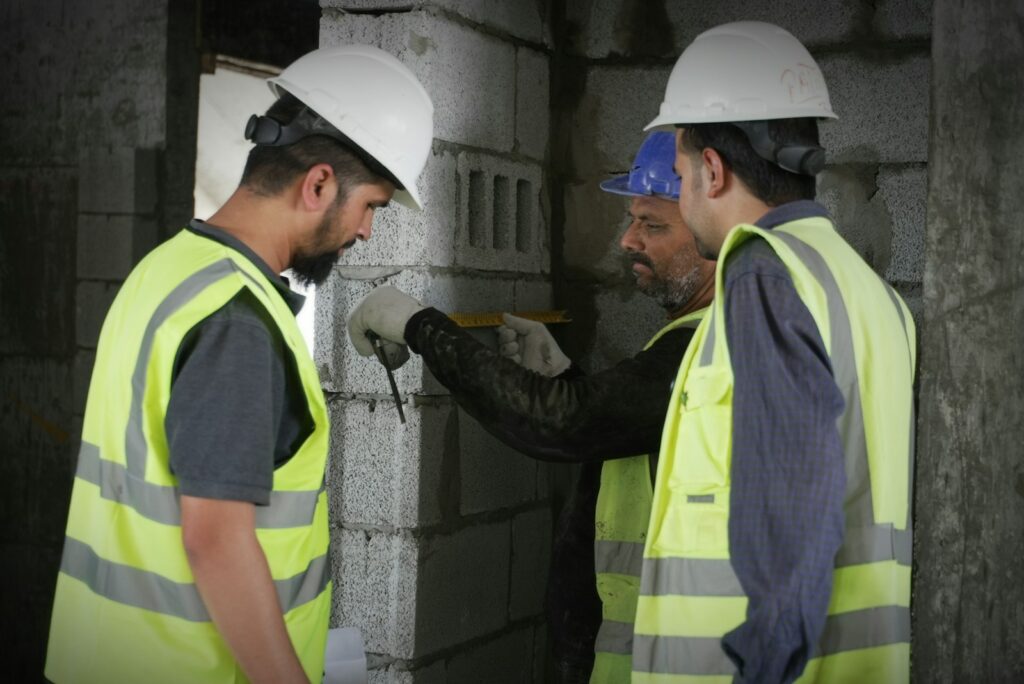
Workers in the EU rate a safe working environment for their mental and physical health as the most important aspect they look for in a workplace, according to a statement on World Day for Safety and Health at Work.
Preventing accidents at work and occupational diseases is pursued through “social dialogue” — negotiations between employers, workers and, in some cases, governments, the European Commission noted in a statement on Wednesday.
The Commission said it consults European social partners when developing new social policy initiatives, including on working conditions and occupational health and safety, under EU treaty rules.
It declared recent consultations have covered ways to improve protection for workers exposed to hazardous chemical agents, including asbestos, as well as carcinogens, mutagens and “reprotoxic” substances — chemicals that can harm fertility or unborn children.
The Commission added that employers’ and workers’ representatives are also involved in the Advisory Committee on Health and Safety at Work and in implementing the EU Strategic Framework on Health and Safety at Work adopted in 2021.
Agreements and guidance across sectors
Occupational safety and health is discussed in the EU’s 44 Sectoral Social Dialogue Committees and features in current multi-annual work programmes in 28 sectors, from agriculture to woodworking, the Commission said.
Several EU-level agreements have been signed over the years, including a 2009 framework agreement on preventing sharps injuries in hospitals and healthcare that was later implemented through EU law via Council Directive 2010/32/EU.
A cross-industry framework agreement on work-related stress was signed in 2004 and implemented through national-level actions by social partners.
Sectoral agreements have also addressed occupational health and safety in hairdressing, with a sectoral agreement signed in 2012 and a further framework agreement in 2016.
More recently, multi-sectoral guidelines on preventing and tackling third-party violence and harassment related to work were updated and signed on 6 May 2025 by EU sectoral social partners in Central Government Administration, Local and Regional Governments, hospitals and healthcare, education and the hospitality sector.
The guidelines provide a voluntary framework and include measures intended to help identify risks and inform prevention strategies at work.
