
Complaints to the European Ombudsman rose to nearly 3,500 in 2025 — a 54% increase on the previous year — as the watchdog said more people are being directed to it by AI chatbots.
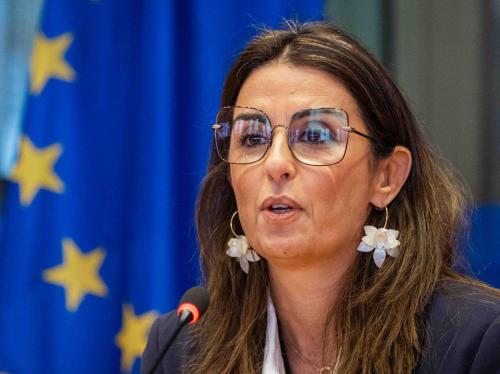
The Ombudsman’s office also opened 492 inquiries, up 19% year on year, according to its 2025 annual report presented in Brussels to the European Parliament’s Committee on Petitions on Wednesday by Ombudswoman Teresa Anjinho.
Transparency and accountability made up the largest share of inquiries, accounting for 38%.
Other common areas included complaints about institutions failing to reply and concerns about how the EU manages “infringement procedures” — the process used when the European Commission believes an EU country is breaking EU law.
Anjinho said the rise in complaints is creating pressure for a team of around 75 staff, adding that the office is adapting its internal processes but that improvements have limits.
She declared her office has contacted other EU bodies that handle complaints — including OLAF, the EU’s anti-fraud office, and the European Data Protection Supervisor — to discuss the impact of generative AI and possible new ways of working.
Inquiries into AI, fast-tracked lawmaking and “revolving doors”
Three ongoing inquiries focus on artificial intelligence in the EU administration, Anjinho said.
One looks at how the Commission ensures transparency and accountability when developing AI standards, while the others examine the use of AI by external experts assessing EU funding bids and possible gaps between the EU’s AI Act and a related Code of Practice, including on reporting energy consumption.
The Ombudsman also examined complaints about the Commission fast-tracking legislation it considered urgent in 2025, issuing joint findings in three inquiries.
It found shortcomings in how the Commission followed its own “Better Regulation” rules, including not sufficiently justifying urgency and not properly documenting departures from internal procedures that allow public consultations and impact assessments to be skipped.
The Commission’s response accepted the need to properly record and explain future departures from the rules and said it would reflect on improving transparency when assessing urgency, according to the Ombudsman.
On ethics, an own-initiative inquiry reviewed “revolving doors” policies — where officials move between public roles and outside jobs — across 15 EU agencies and examined 54 cases, the Ombudsman said.
It found differences between agencies, including that seven had rules for managing conflicts linked to board members’ post-mandate activities, while four monitored whether former staff complied with restrictions on post-service work.
Anjinho said she has published guidelines on good practices for agencies, covering procedures, decision-making, transparency and enforcement.
The Ombudsman also announced a new own-initiative inquiry into the EU’s Rapid Alert System for Food and Feed, a network used to share information about risks in food and animal feed.
Anjinho said she has asked the Commission how it verifies information it receives and how quickly alerts are circulated once a risk is identified, and has invited national ombudsmen to carry out their own inquiries with national authorities.
