
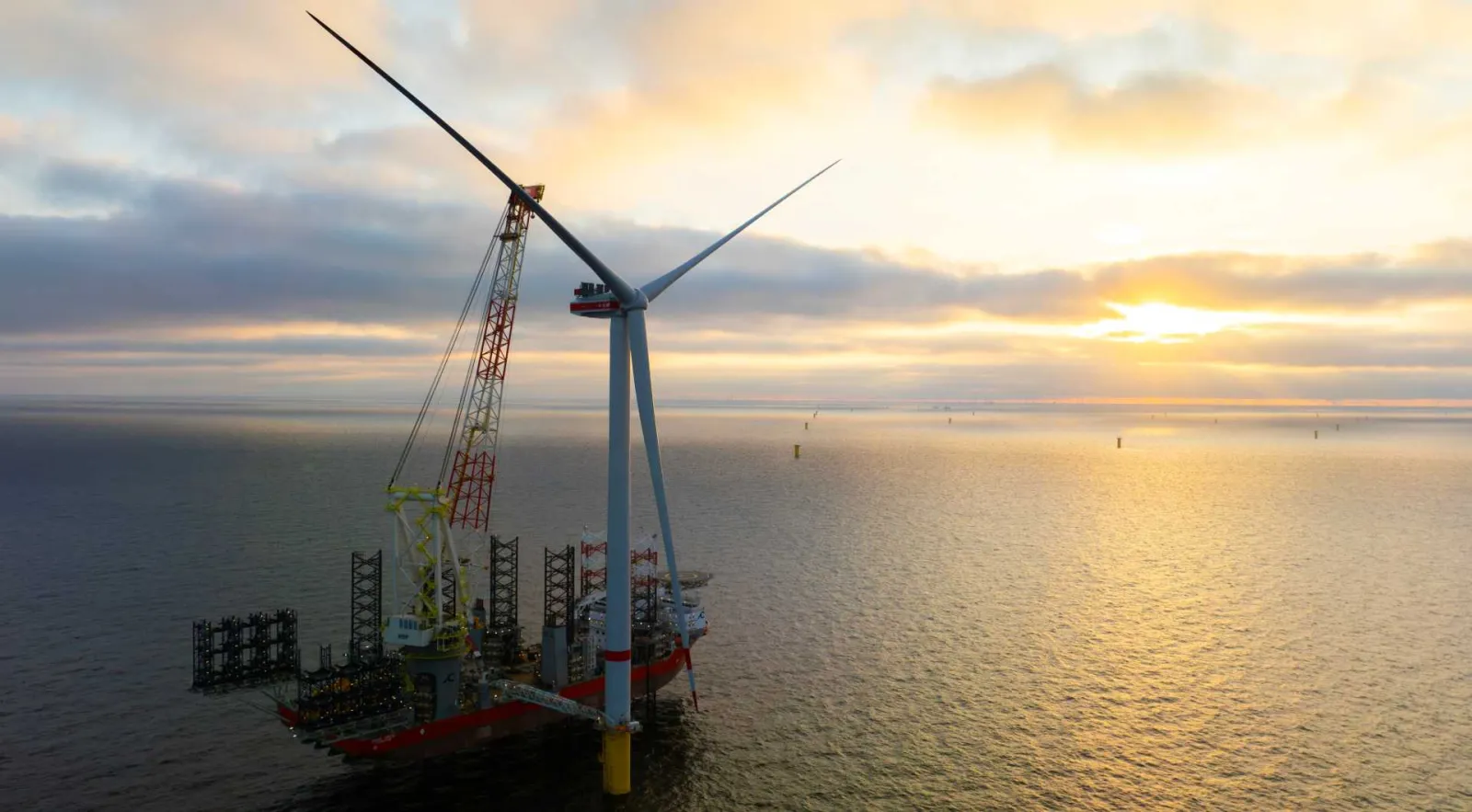
Energy major TotalEnergies wants to pull the plug on its planned offshore wind farms in Germany. As it is inevitable that developers will get cold feet, regulators have to put in place a fair cancellation policy.
Last month, French oil and gas firm TotalEnergies accepted a billion dollars from the United States government in return for giving up its offshore wind leases. It suited both the Trump administration and Total, both of whom are not the biggest fans of wind power.
Total said that the billion dollars was more of a refund for dues already paid and that the offshore market in North America is not bullish enough for its particular return on investment expectations.
CEO Patrick Pouyanne said that his company would instead focus on more established markets in Europe like Denmark, Germany and the United Kingdom instead.
But instead of regrouping, Total appears to be capitulating altogether and is looking for a way out of the more than 7 gigawatts of offshore wind project rights it won in Germany’s pay-to-play auction in 2023.
Total wants to give up those projects, recoup millions of euros it has already paid to the German government and net some form of discount if another developer can be found for the sites.
Berlin, for its part, says there is no legal way for auction winners to give back their leases. The government also still expects Total to make good on its project plans, even though a final investment decision has not been made yet.
Germany’s wind association has, perhaps surprisingly, called on the authorities to design an instrument that would provide a legal avenue for developers to cede their project rights and prevent blockages in the offshore pipeline.
This makes a lot of sense for a number of reasons. If companies like Total are not developing viable sites, then clean energy targets cannot be met. Other factors like grid connection queues will also be impacted.
The argument can also be made, perhaps cynically, that companies like Total that make most of their profits from fossil fuels, should not be allowed to hold up the rollout of clean energy by sitting on lucrative offshore sites.
In Germany’s case, the proposed instrument would also grant prospective bidders access to the latest terms and conditions of the auction process, making it more attractive for firms to get involved and therefore increasing the probability of projects materialising.
‘God laughs at those who make plans’, as the old saying goes, so inevitably companies that are building the clean energy of the future are going to run into trouble. Geopolitics, economic difficulties and unforeseeable events will likely conspire against developers.
That is another reason why providing companies with an escape route that also doubles as an entry point for firms that can make it work, must be written into these policies.
The United Kingdom’s auction method allows developers to give up capacity that they have won if it is no longer financially viable, but prevents firms from rebidding the same projects into subsequent rounds when the financial support on offer might be more substantial.
After the last auction round where RWE emerged as the main beneficiary, this might be an option that is used sooner rather than later, given that there are some doubts that the German firm will be able to build so much, in time and under budget.
Want more updates and analysis of what is happening in the world of energy and climate? Interested in finding out more information about public tenders and consultations? Sign up to our Energy Rundown newsletter here!
