
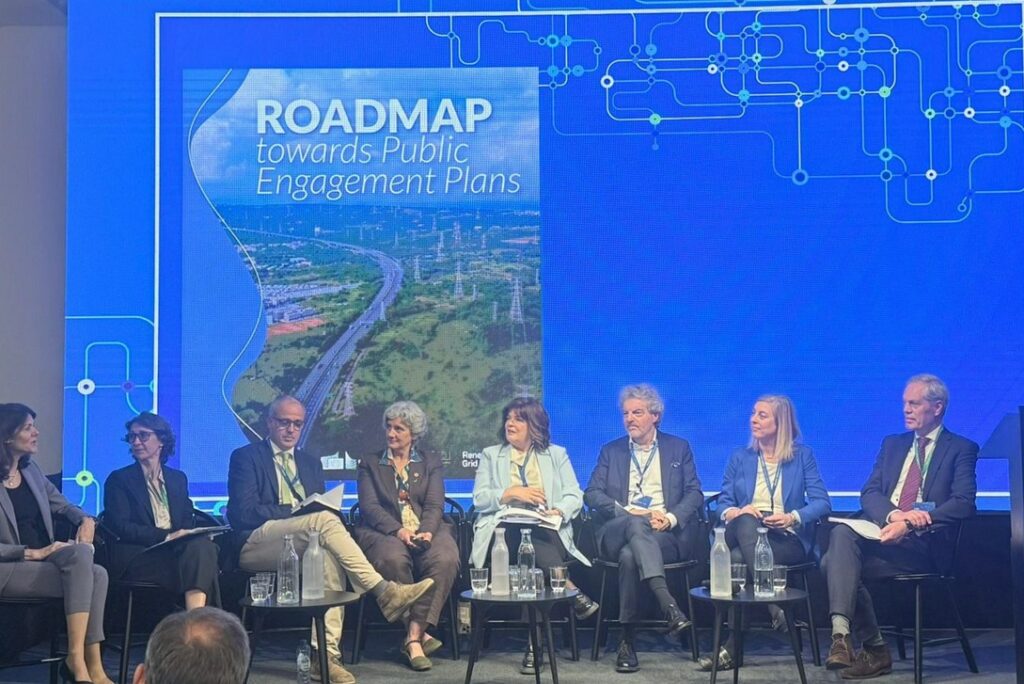
Policymakers, industry representatives and other stakeholders met in Copenhagen on 21–22 May for the 12th Energy Infrastructure Forum, organised by the European Commission with Denmark’s Ministry of Climate, Energy and Utilities.
The meeting was opened by EU Commissioner for Energy and Housing Dan Jørgensen and Denmark’s Deputy Permanent Secretary Christian Stenberg, the Commission reported on Friday.
Speakers repeatedly linked the war in Ukraine and conflict in the Middle East with the need to focus on energy infrastructure.
Electricity grids were a central topic, with discussions covering upgrades and expansion as well as making better use of existing networks.
Digital tools and “grid-enhancing technologies” were cited as ways to reduce congestion and limit the cost of expanding grids.
Financing was described as a major challenge, with speakers pointing to a combination of public support where needed and increased private investment.
Participants also raised the issue of sharing costs and benefits fairly across countries.
Hydrogen and public engagement
Hydrogen infrastructure was another focus, with discussion centred on moving from policy to practical rollout, the Commission said.
It noted that some EU countries are still applying existing hydrogen rules, with timely national implementation described as a priority.
The Commission’s Hydrogen Mechanism was presented as a tool to improve coordination between hydrogen producers, consumers and infrastructure operators.
The forum also featured the launch of “Capacitypedia” and a Distribution Network Development Plans platform, which it said are intended to improve transparency about where and when grid capacity is available.
A “Roadmap towards Public Engagement Plans” was also launched to encourage early stakeholder involvement in network planning.
The forum closed with calls for faster implementation and cooperation between national governments, regulators, system operators, industry, financial institutions and civil society.
