
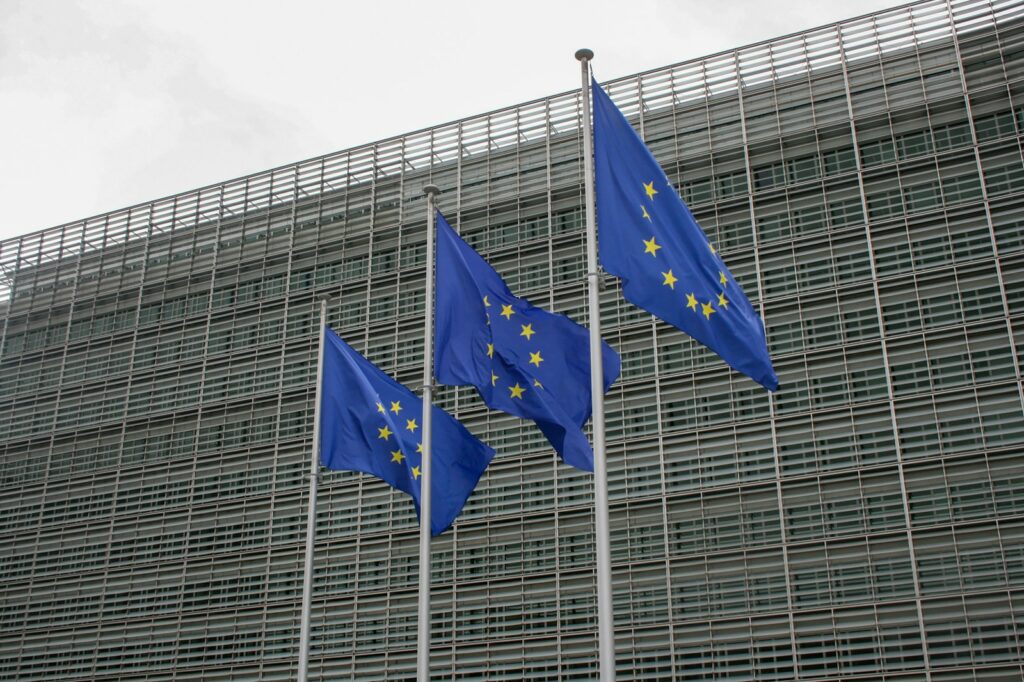
The European Commission has set out policy guidance for EU countries in its 2026 European Semester Spring Package, covering competitiveness, public finances, energy security, jobs and housing.
The package was adopted against what the Commission described on Wednesday as geopolitical uncertainty, volatile energy prices and continuing cost of living pressures affecting households and businesses.
It said the guidance focuses on measures such as reducing barriers in the EU’s Single Market, boosting research and development, speeding up the shift to cleaner energy, expanding digital public services, and improving skills and training to match labour market needs.
The Commission also referenced action on poverty, social protection, access to healthcare and long-term care, and steps to increase the affordability of housing.
The European Semester is the EU’s annual cycle for co-ordinating economic and social policies across member states, with country-by-country analysis and recommendations.
Fiscal checks, deficit procedures and imbalances
As part of the package, the Commission assessed whether member states are complying with the EU’s fiscal framework under the Stability and Growth Pact.
It said it will recommend to the Council of the EU that the excessive deficit procedure — a formal process used when a country breaches EU deficit and debt rules — be ended for Malta.
Effective action has been taken towards correcting excessive deficits in Austria, Belgium, Finland, France, Hungary, Italy, Poland, Romania and Slovakia, so no further steps are needed under the procedure at this stage.
A separate report prepared under Article 126(3) assessed Bulgaria, Germany, Estonia, Latvia and Slovenia against the EU’s deficit criterion, and the Commission said opening an excessive deficit procedure is warranted for Bulgaria.
The Commission also said Greece, the Netherlands and Sweden are no longer assessed as experiencing macroeconomic imbalances, while Italy, Hungary and Slovakia continue to experience imbalances, and Romania continues to experience excessive imbalances.
Post-programme surveillance reports found Ireland, Greece, Cyprus and Portugal retain the capacity to repay their debt, the Commission said, adding that Spain was not included because it repaid more than 75% of its programme financial assistance in 2025.
The Eurogroup and the Council will now discuss the documents in the Spring Package, with a view to endorsing the guidance.
