
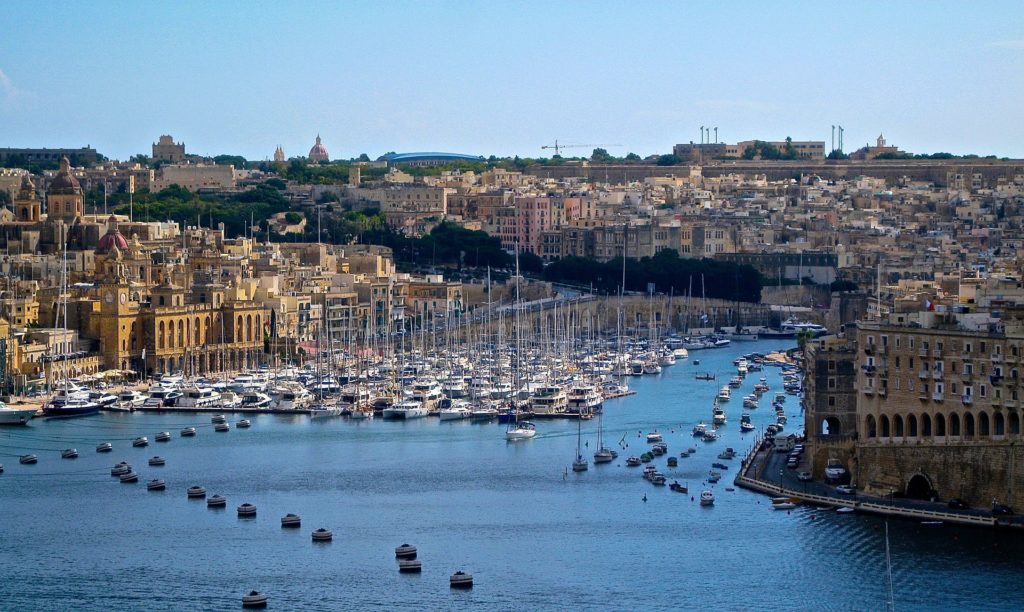
On Wednesday, the European Commission presented its first two strategies for the EU's islands and coastal regions, designed to address the economic, energy, environmental and demographic challenges they face.
The European Union has more than 4,000 inhabited islands spread across 16 Member States, including three island nations: Cyprus, Ireland and Malta. In total, some 17 million Europeans live on an island.
The EU also has nearly 70,000 kilometres of coastline, along which some 95 million people live in 22 Member States.
There is no shortage of challenges. Most islands suffer from geographical isolation, limited connectivity, higher transport costs and often small and fragmented markets. They are also more dependent on fossil fuels and are particularly vulnerable to the effects of climate change, much like coastal communities.
Added to this, in some regions, are growing pressure from tourism, a shortage of affordable housing, the seasonal nature of economic activity, a lack of employment opportunities and the exodus of young people.
Blue carbon credits
Concerning coastal communities, the Commission aims in particular to strengthen the role of local stakeholders in maritime spatial planning. It also proposes creating a certification system for "blue carbon" credits – carbon captured and stored by certain coastal ecosystems, such as seagrass beds or salt marshes.
These credits could create new sources of income for local communities and fund ecological restoration projects.
The strategy for islands focuses in particular on strengthening local economies and promoting more sustainable tourism, accelerating decarbonisation and protecting biodiversity, improving public services, healthcare, housing and education, as well as building resilience to natural disasters and other crises.
These strategies will primarily serve to guide future EU policies, in particular the budget negotiations for the next multiannual financial framework for 2028–2034.
