
Euro area finance ministers warned that the economic effects of the crisis in the Middle East are already being felt, with energy markets under pressure and risks to growth and inflation needing close attention.
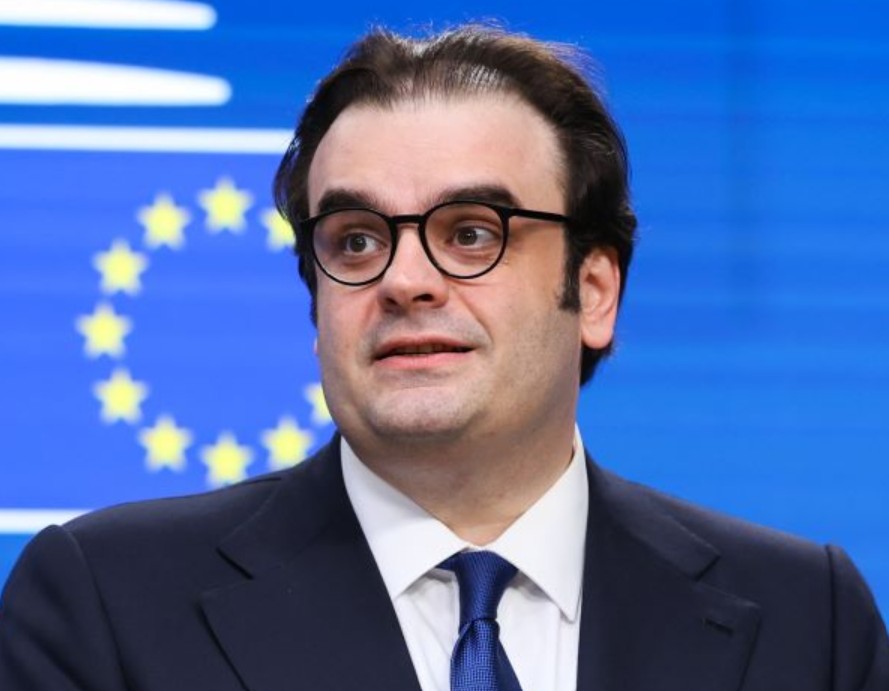
Ministers discussed the macroeconomic outlook for the 20-country euro area, including an assessment presented by the European Commission and the latest projections shared by the European Central Bank, Eurogroup President Kyriakos Pierrakakis said after a Eurogroup meeting in Brussels on Thursday.
They also reviewed how member states are implementing their medium-term fiscal structural plans — multi-year budget and reform plans submitted to the Commission — as part of the Commission’s spring package.
The International Monetary Fund’s managing director, Kristalina Georgieva, joined ministers for their annual exchange on euro area policies, and the IMF broadly shared the assessment of the European institutions on the outlook and risks.
Energy, technology and investment
Energy policy was discussed in terms of energy security, competitiveness, the green transition and industrial policy, with Pierrakakis saying Europe needed an approach that reduces both costs and dependencies.
He said ministers talked about strengthening energy interconnections, investing in networks and making better use of domestic energy sources.
Ministers also discussed “technological sovereignty”, which Pierrakakis described as ensuring Europe has the capabilities, skills and industrial base to make its own strategic decisions rather than isolating itself from international partners.
He said Europe had “a scale deficit”, arguing that innovations are often not turned into “global champions” that can be commercialised and expanded.
Professor Eaves of University College London contributed to the discussion, including on the role of cloud services and digital infrastructure in Europe’s future competitiveness.
Financing for these priorities was raised in the meeting, with Pierrakakis pointing to using European savings for productive investment through the Savings and Investments Union — an EU initiative to channel savings into investment via deeper capital markets.
Pierrakakis also said he welcomed two new Eurogroup colleagues following the formation of new governments in Latvia and Slovenia — Māris Kučinskis and Andrej Šircelj.
Earlier in the day, he chaired a meeting of the European Stability Mechanism’s Board of Governors and said further details would be provided separately.
