
The European Parliament has adopted new EU rules for plants developed using new genomic techniques, splitting them into two regulatory categories and keeping stricter controls for those deemed closer to traditional genetically modified organisms.
New genomic techniques, or NGTs, are modern methods used to alter a plant’s genetic material, the parliamentary press service noted in a statement on Wednesday.
Under the new rules, plants will be regulated based on the characteristics of the final plant rather than the process used to create it.
NGT plants will be divided into NGT-1 and NGT-2, each with different legal requirements. NGT-1 covers plants with a limited number and type of genetic changes that could also have occurred through conventional breeding, and once verified they will be treated like conventional plants.
Plants engineered for herbicide tolerance or to produce insecticidal substances cannot qualify as NGT-1, following a request from the Parliament.
NGT-2 covers plants with more extensive or complex genetic modifications and will remain subject to existing EU rules on genetically modified organisms, including risk assessment and an authorisation before they can be commercialised in the EU.
Labelling, opt-outs and organic production
Full traceability and labelling will remain mandatory for NGT-2 plants, and EU countries will be able to restrict or prohibit their cultivation even if they are authorised at EU level, according to the Parliament.
Plant varieties containing or derived from an NGT-1 plant will be listed in a public EU database, and seed bags and reproductive material will have to be labelled “NGT-1.”
NGTs will not be allowed in organic production, but the “technically unavoidable” presence of NGT-1 plants would not constitute non-compliance.
The European Commission will assess whether the regulation creates administrative, economic or practical burdens for organic operators.
It will be possible to patent NGTs, except for traits or sequences occurring in nature or produced by biological means.
Safeguards were added to prevent market concentration and to ensure affordability and fair access for farmers, including retaining the right to save and replant seeds.
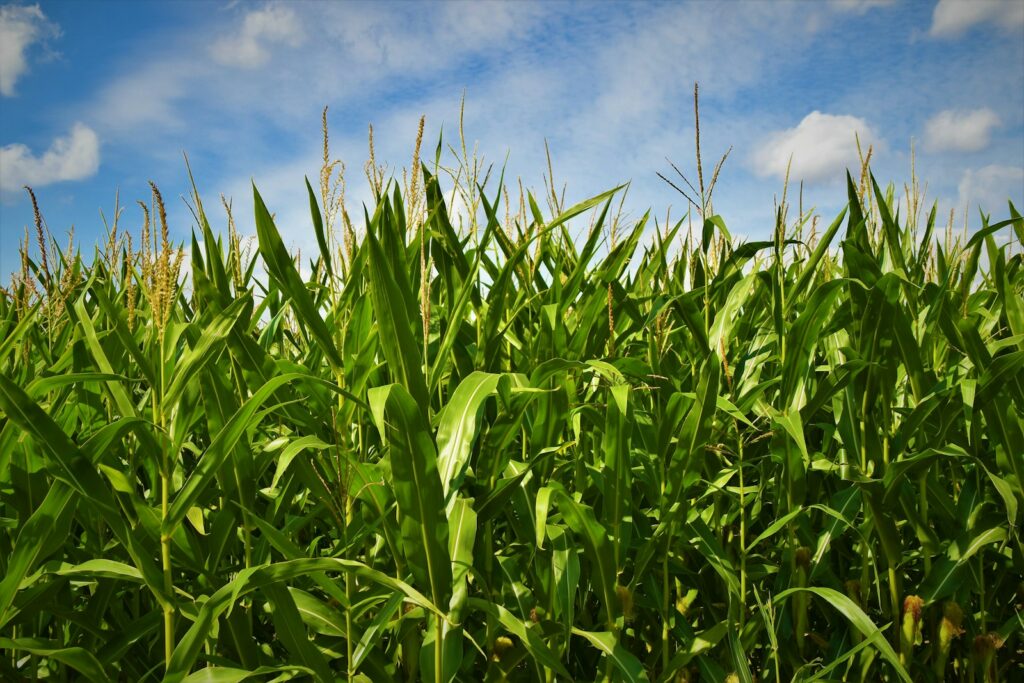
The rules will apply to plants produced in Europe and those imported, and examples of products already available or in advanced development outside the EU include low-gluten wheat, pathogen-resistant potatoes and drought-tolerant maize.
The updated rules were provisionally agreed between the European Parliament and the Council in December 2025. The regulation will enter into force 20 days after publication in the EU Official Journal and will apply two years later.
