
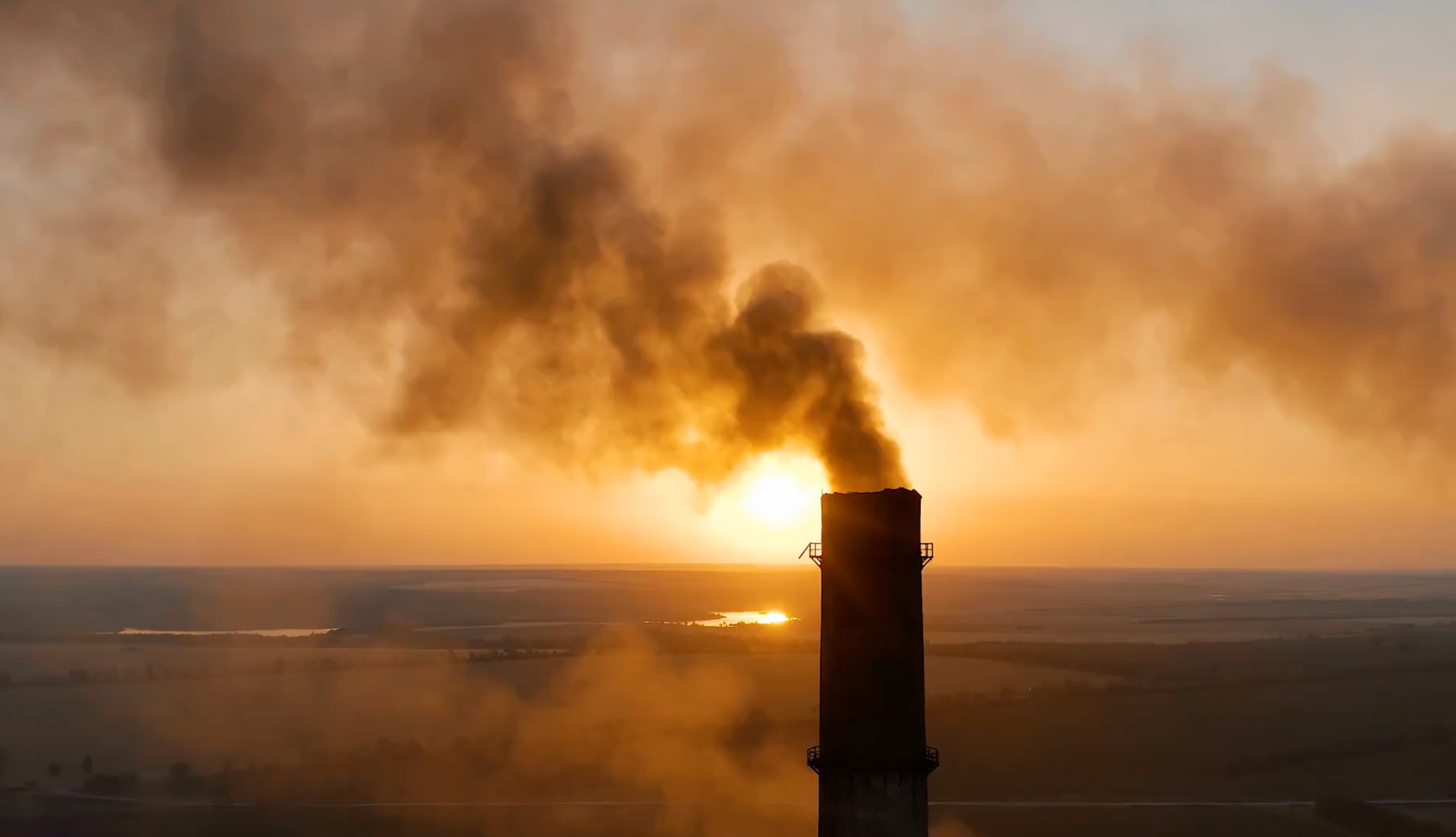
The European Union’s flagship climate policy will be reviewed in July. The emissions trading system update is set to be one of the most divisive bits of policymaking seen in Brussels for years.
The EU ETS has a rather simple raison d’etre: price carbon so that polluters have to pay for their emissions and create an incentive for companies and industries to spend money on decarbonisation measures and technologies.
It has taken two decades to work as intended and success has come particularly in the power sector, where really polluting fuels have been priced out of the mix.
But it’s nearly time to review the rules that underpin the market. On the 15th July, the European Commission will publish its proposed changes to the ETS and it is likely to be very divisive in a number of areas.
Firstly, the Commission will reveal how the market should be expanded. The case has been made to include all aviation, including flights that leave and enter the EU, as well as waste-to-energy facilities as well.
Calls to include agriculture in some form have gone quiet lately and the sector is unlikely to be touched during this review as a result.
Secondly, the plan will reveal what the Commission thinks should happen with so-called free allowances. These are cost-free pollution permits issued to industry to help dampen the financial burden of the ETS.
Given the struggles caused by the still ongoing energy crisis, there is a lot of pressure to keep those free allowances around for longer, instead of phasing them out completely by 2034.
Those industries that claim the ETS is making life too difficult will be making their case against those businesses that have already started making green investments and do not want to be punished for being frontrunners.
Thirdly, the ETS generates billions of euros every year through the sale of pollution permits. That money is returned to national budgets, where it is supposed to be spent on climate and energy related investments.
This new review could make the case for that money to be spent even more prudently on the kinds of projects and measures that will accelerate the redundancy of the emissions trading system.
National governments jealously guard their right to spend that money however they see fit, but it is becoming rather untenable for the EU to not put stricter checks and balances on these revenue streams.
Thankfully, the EU seems to have resisted calls from some governments to really water down the ETS and any idea that the market could be suspended has definitely been dismissed.
All it’s cracked up to be?
Carbon pricing was supposed to be the great hope for global climate action. The EU’s forging of an emissions trading path was meant to prompt other countries to do the same and sing from the same hymn sheet.
That has happened to an extent: some countries have adopted their own carbon markets in response, in order to try and avoid the worst of carbon border taxation. But it hasn’t triggered a revolution.
Instead, China and the United States are, perhaps surprisingly, arguably doing more to decarbonise the planet.
China’s huge investments in clean tech manufacturing means that it is cheaper than ever to buy equipment that helps neutralise emissions, be they solar panels, heat pumps or electric vehicles.
And the United States, despite attacking renewable energy generation whenever possible and pushing for more fossil fuel production, has helped cause such a profound energy shock that it’s rewriting the script on how and where countries get their energy.
Carbon pricing remains essential in Europe but its global impact is still yet to be even partly realised and ongoing efforts to develop some sort of international system do not seem to be going anywhere.
Want more updates and analysis of what is happening in the world of energy and climate? Interested in finding out more information about public tenders and consultations? Sign up to our Energy Rundown newsletter here!
