
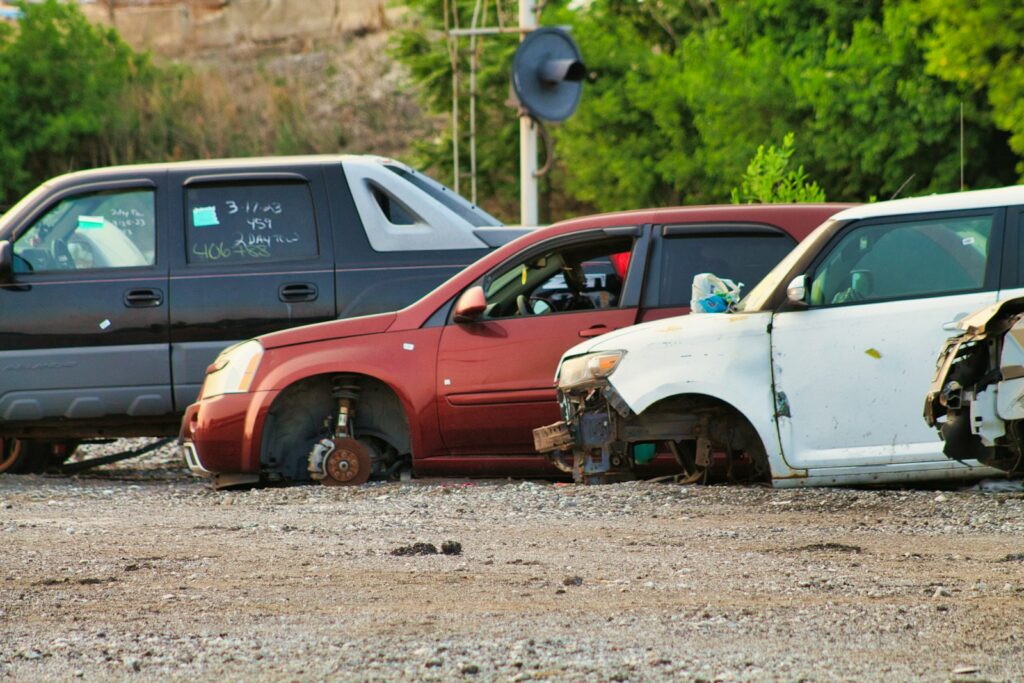
EU ministers have adopted new rules requiring carmakers to design and produce vehicles in ways that make them easier to re-use and recycle, and to tighten controls on how vehicles are handled at the end of their life.
The regulation sets targets for recycled plastic in new vehicles, with at least 15% of plastic used in manufacturing required to come from recycling six years after the rules enter into force, the Council of the EU announced in a release on Monday.
The target rises to 25% within 10 years, it added.
At least 20% of that recycled plastic must come from end-of-life vehicles — cars and vans that have become waste — under the rules.
Manufacturers will also be made financially and organisationally responsible for vehicles across their entire life cycle, including when they become waste.
This “extended producer responsibility” includes providing free take-back and ensuring proper treatment of end-of-life vehicles.
Crackdown on ‘missing vehicles’ and exports
The regulation introduces measures to address “missing vehicles” — those illegally dismantled or exported — by strengthening traceability and controls, according to the Council. Once a vehicle meets the criteria of an end-of-life vehicle, it must be handled by an authorised treatment facility and cannot legally be exported or resold as a used vehicle.
Exports of used vehicles that are no longer roadworthy will be banned, the Council added.
The rules will fully apply to passenger cars and light commercial vans, while heavy-duty vehicles such as trucks, motorcycles and special-purpose vehicles will be subject to a more limited set of requirements focused on ensuring proper treatment.
The regulation will start applying two years after it enters into force. The European Commission must also bring forward future targets for other materials — including recycled steel, aluminium, magnesium and critical raw materials — based on a feasibility study due to be finalised one year after the regulation enters into force.
More than 6 million end-of-life vehicles are generated in the EU each year, and inadequate handling can cause pollution and lead to the loss of materials. Existing rules have increased recycling of end-of-life vehicles to around 85% of the materials they contain.
