
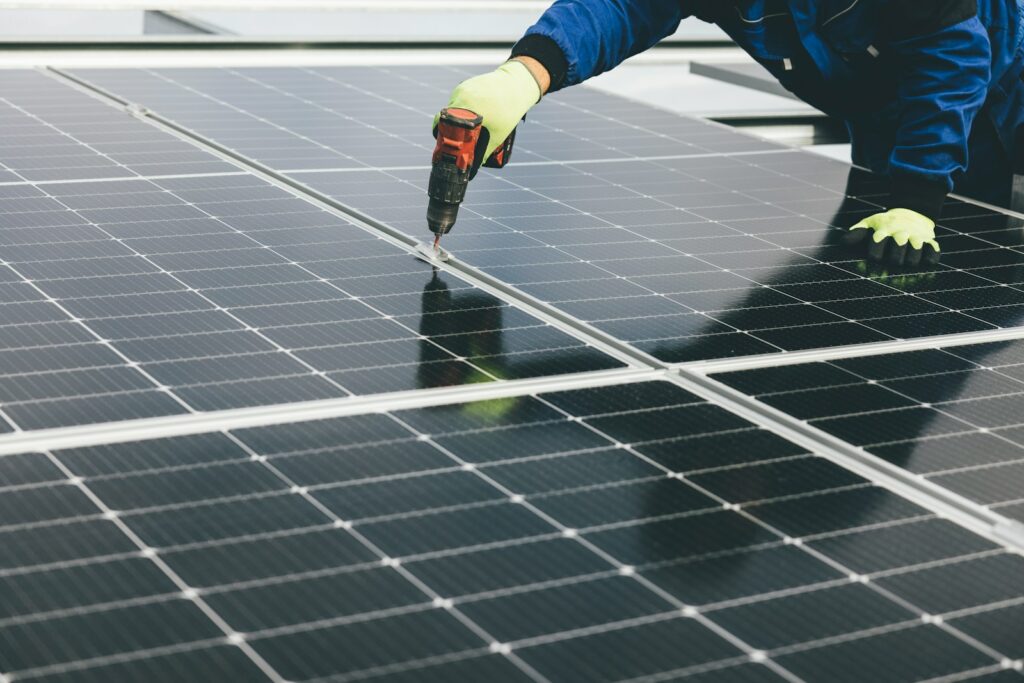
MEPs in the European Parliament’s Industry, Research and Energy Committee have backed plans to speed up permits for renewable energy projects and related infrastructure across the EU.
The committee supported draft legislation covering renewable energy projects, electricity grids, energy storage facilities and recharging stations, with measures including shorter deadlines and a single national digital portal for all permitting steps, the Parliament informed on Thursday.
MEPs also backed an EU-wide permitting framework for electricity grid infrastructure.
Under proposed changes, procedures for connecting projects to the electricity grid would have accelerated deadlines and more transparency, with processes required not to exceed three months and some projects receiving tacit approval — meaning they would be treated as approved if authorities miss the deadline.
New grid connection deadlines would apply both inside and outside designated acceleration areas, ranging from six to nine months depending on location and technology.
Changes for small-scale projects and local benefits
MEPs proposed raising the capacity thresholds that trigger a permit requirement from 100 kW to 200 kW for small-scale solar installations, energy storage and recharging stations, the Parliament said.
No administrative permit would be needed for recharging stations with a total installed capacity of 1 MW or less on artificial structures.
They also proposed lowering the threshold for mandatory “benefit sharing” — the redistribution of economic benefits from a project to local communities hosting or affected by it — from 10 MW to 7 MW, while exempting renewable energy communities and citizen-developed projects.
A one-month permitting deadline was proposed for heat pumps below 50 MW, and three months for ground-source heat pumps, with tacit approval if deadlines are missed.
The committee adopted the proposal by 57 votes in favour, three against and eight abstentions, and backed opening negotiations with EU member states by 64 votes to three.
Negotiations with the Council of the EU are due to start under the Irish Presidency after the Parliament’s mandate is confirmed by plenary.
Slow permitting remains a major cause of delays for energy projects, with electricity transmission grids taking around 10 years to complete and permitting accounting for more than half that time, while permits for renewable energy projects can take up to nine years depending on the country and technology.
