
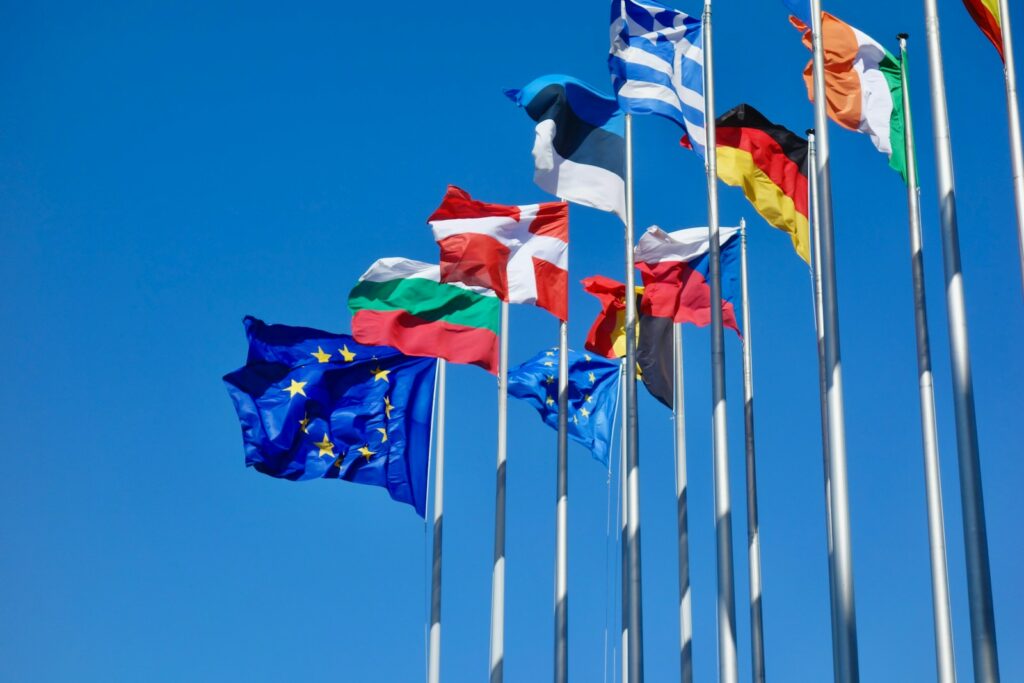
European Union officials, national representatives and civil society groups met in Brussels on 30 June to discuss changes to the European Semester — the EU’s annual cycle for co-ordinating economic and social policy — amid talks on the bloc’s next long-term budget.
The European Semester should become “more results-oriented”, with reforms and investments delivering “tangible benefits for citizens”, the European Economic and Social Committee (EESC) said in its latest statement.
The meeting brought together representatives from EU institutions, member states, national economic and social councils, social partners, organised civil society and academia.
The European Semester is expected to play a bigger role as negotiations gather pace on the next Multiannual Financial Framework (MFF) — the EU’s seven-year budget plan — including co-ordinating national reforms and investments and aligning EU priorities with national and regional needs.
Judith Vorbach, vice-president of the EESC’s European Semester Group, said “social cohesion is the foundation of sustainable competitiveness and economic security”, calling for a better balance between the EU’s Macroeconomic Imbalance Procedure and its Social Convergence Framework.
Elena Calistru, president of the EESC’s ECO section, said Europe faced a “challenging economic and geopolitical environment” and that linking reforms, investments and public resources required a “coherent strategic framework.”
Seamus Boland, president of the EESC, said “lasting success depends on advancing prosperity, economic resilience and social cohesion together”, and described the European Semester as “a vital tool.”
Calls for a stronger role for social partners and civil society
Participants said the European Semester needed to go beyond economic oversight, and should promote investment, strengthen competitiveness and resilience, and keep economic, employment and social policies closely aligned, the EESC said.
Luca Jahier, another vice-president of the European Semester Group, said there was “broad recognition” that closer alignment between the European Semester, the next MFF and national priorities could improve coherence and effectiveness.
The conference discussions also covered pressures facing the EU including geopolitical tensions, upheavals in international trade, demographic change, the green and digital transitions, and challenges to competitiveness and labour markets.
Speakers also called for “democratic ownership” of the European Semester, saying social partners and civil society should have a stronger role throughout the policy cycle, including identifying priorities, implementation and monitoring.
Gonçalo Lobo Xavier, president of the EESC’s European Semester Group, said the process should develop “beyond a co-ordination mechanism into a genuine delivery framework.”
The EESC said the conference echoed its recently adopted information report and resolution on national reforms and investment measures under the European Semester, including a call for a “European Code of Consultation Practices” and mandatory assessments of stakeholder involvement during the Semester cycle.
