
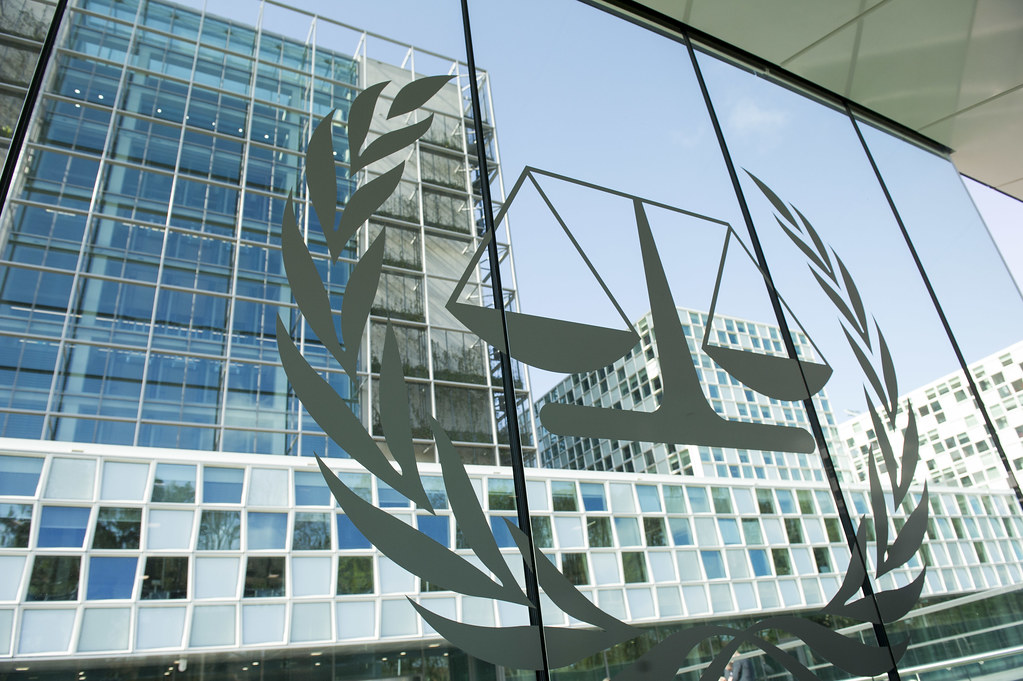
The European Union has reiterated its support for the International Criminal Court and other international justice bodies in a statement marking International Criminal Justice Day.
The EU said the day was a moment to recognise people working to uphold justice, accountability and the rule of law, and to remember victims and survivors of what it called “the world’s gravest crimes,” according to a statement issued by High Representative on Foreign Policy Kaja Kallas.
It said it continued to back the international criminal justice system, including the International Criminal Court (ICC) — a permanent court in The Hague that prosecutes individuals for crimes such as genocide, war crimes and crimes against humanity — as well as ad hoc tribunals set up for specific conflicts and “hybrid” courts that combine international and national elements.
The EU also stated that it supported institutions that uphold international law, including protecting international courts and their officials from threats or sanctions.
Support for the Rome Statute
The ICC is “the cornerstone” of the international criminal justice system, the EU said, adding that it remained committed to the Rome Statute, the treaty that established the Court, and calling on all states to fully co-operate with it.
The Court’s independence and ability to operate “free from pressure, intimidation or interference” must be preserved, it added, saying it was important for the ICC to continue with ongoing investigations and cases under judicial consideration.
The EU said violations of international law — including international human rights law and international humanitarian law, which governs conduct during armed conflict — continued to cause “immense suffering”, and that accountability was needed for justice and prevention of future atrocities.
It added that victims should be at the centre of justice, including rights to truth, justice, reparations and guarantees of non-recurrence.
The EU said it would continue supporting the ICC and the broader Rome Statute system through political, diplomatic, financial and practical means, including strengthening national justice systems in line with “complementarity” — the principle that the ICC acts only when national authorities cannot or will not prosecute.
