
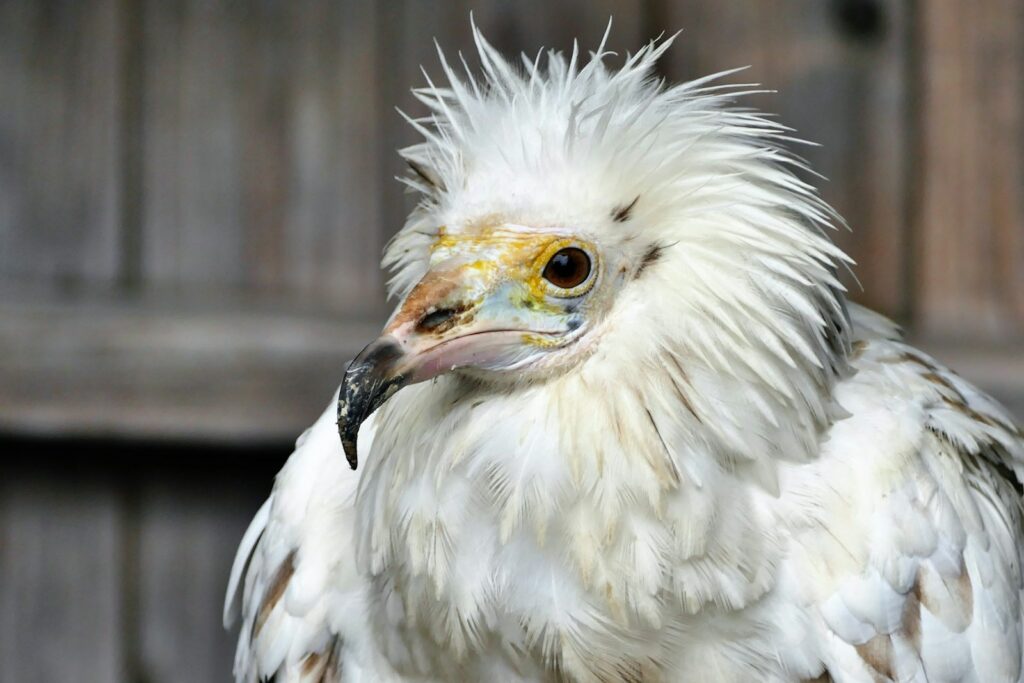
Rare bird conservation in the Balkans and a biodiversity scheme for Spanish olive groves have been recognised at the LIFE Awards 2026.
Egyptian Vulture New LIFE won the LIFE Citizens’ Prize, which is decided by the highest number of public votes in an online poll, the European Climate, Infrastructure and Environment Executive Agency (CINEA) noted in a release on Monday.
The €5.8 million project ran from 2017 to 2022.
The programme focused on the Egyptian vulture — Europe’s only long-distance migratory vulture — after numbers fell by up to 80% over 30 years because of poisoning, electrocution, persecution and habitat loss.
Project teams tagged more than 50 birds with satellite transmitters, and supported national anti-poisoning strategies in Bulgaria, Greece, Albania and North Macedonia.
More than 100 poison baits were removed and over 100 employees from national and local authorities were trained.
The project also trained more than 100 specialists who insulated more than 1,500 hazardous electricity poles in six countries.
The scheme involved police and wildlife crime units, with 500 police from five countries taking part, CINEA said.
That work led to the closure of what it described as the biggest wildlife market in Egypt, and the confiscation of 10 Egyptian vultures from illegal collections in Lebanon, Syria, Niger and Jordan.
The project also released 30 captive-bred birds into the wild.
“Our project proved that nature can unite people beyond boundaries, beyond countries and beyond conflicts,” project coordinator Stoyan Nikolov stated.
Olive groves scheme recognised with special award
LIFE Olivares Vivos won the 2026 Special Award for exceptional work in a specific field — this year’s theme was investing in a nature-positive economy — CINEA said.
The €2.8 million project ran for six years and worked in southern Spain to design and certify what it described as environmentally friendly olive groves.
The project set up 20 demonstration olive groves covering 3,600 hectares of farmland, planted with shrubs, native grasses and barley.
It also installed ponds and water troughs, bird and bat boxes, and insect hotels, alongside 450 metres of dry-stone walls.
The team carried out what CINEA described as the largest scientific study of biodiversity in olive groves and created a certification mark — Olivares Vivos Extra Virgin Olive Oil (EVOO) — that producers can use on labels.
Fifteen growers now carry the mark, 65 municipalities are involved and more than 700 olive growers have expressed interest in converting to the model.
“We demonstrated that biodiversity and profitability are very good friends,” said Asunción Ruiz, coordinator of the LIFE Olivares Vivos project.
