
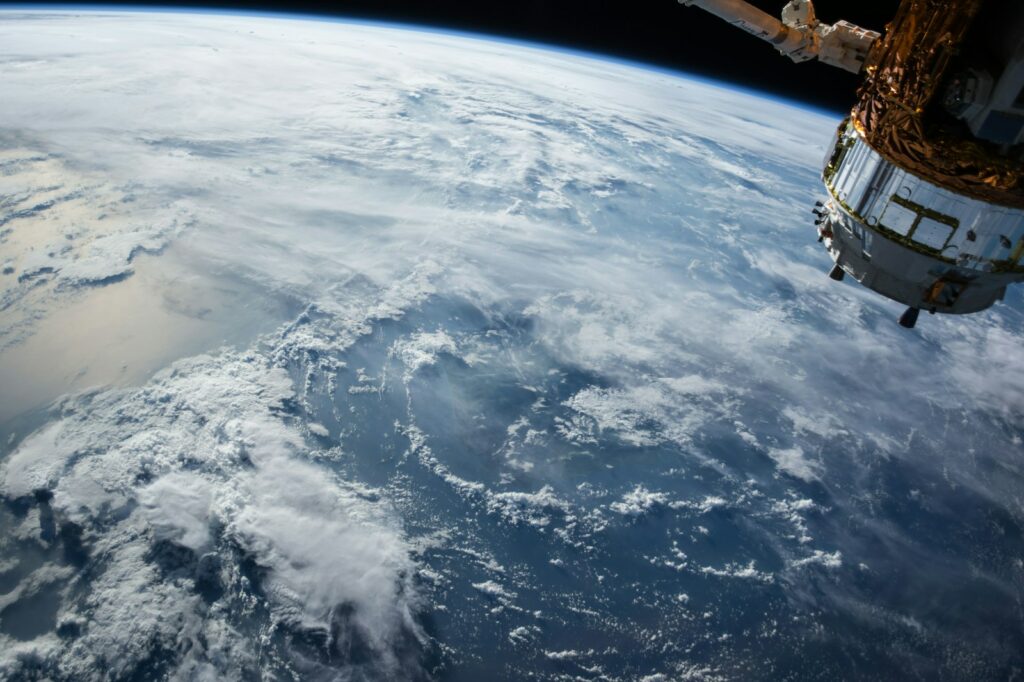
The European Union will take part in Philippine Space Week for the third time from 8 to 14 August, with a programme focused on Earth observation training and public events.
Philippine Space Week 2026 will run under the theme “Navigating Tomorrow”, the European External Action Service (EEAS) informed in a release on Wednesday.
The EU said it is working with the Philippines under its Global Gateway initiative on using Copernicus, the EU’s Earth observation system that gathers data about the planet from satellites and other sources,.
A Copernicus Data Centre has been set up in the Philippines — described as the first in South-East Asia — and is “now becoming a regional centre.”
The EU stated it will contribute a series of Earth observation trainings around the week’s events.
Sessions listed include land cover and forest mapping with the National Mapping and Resource Information Authority on 5 and 6 August, and ground motion monitoring with the Philippine Institute of Volcanology and Seismology on 10 August.
A workshop on strengthening EU–Philippines Earth observation collaboration is scheduled for 12 August, followed by crop mapping with the Bureau of Soils and Water Management at the Department of Agriculture on 13 August.
Booth and careers panel in Manila
Visitors will be able to visit an EU Copernicus booth on 9 August at Quantum Skyview, Gateway Mall 2, Araneta City, the EU said.
The EU and the Philippine Space Agency will also host a careers panel on Earth observation with the Space Generation Advisory Council, according to Commission starts enforcing AI Act rules and new transparency requirements on 2 August.
The EU Copernicus Philippines programme is funded by a 10 million euro grant, listed as PHP 624 million, and is being implemented by the European Space Agency in partnership with the Philippine Space Agency and the Department of Science and Technology.
The programme includes developing the data centre, providing Earth observation services such as ground motion monitoring and mapping of land cover, forests and crops, and supporting local capacity-building and education in Earth observation.
