
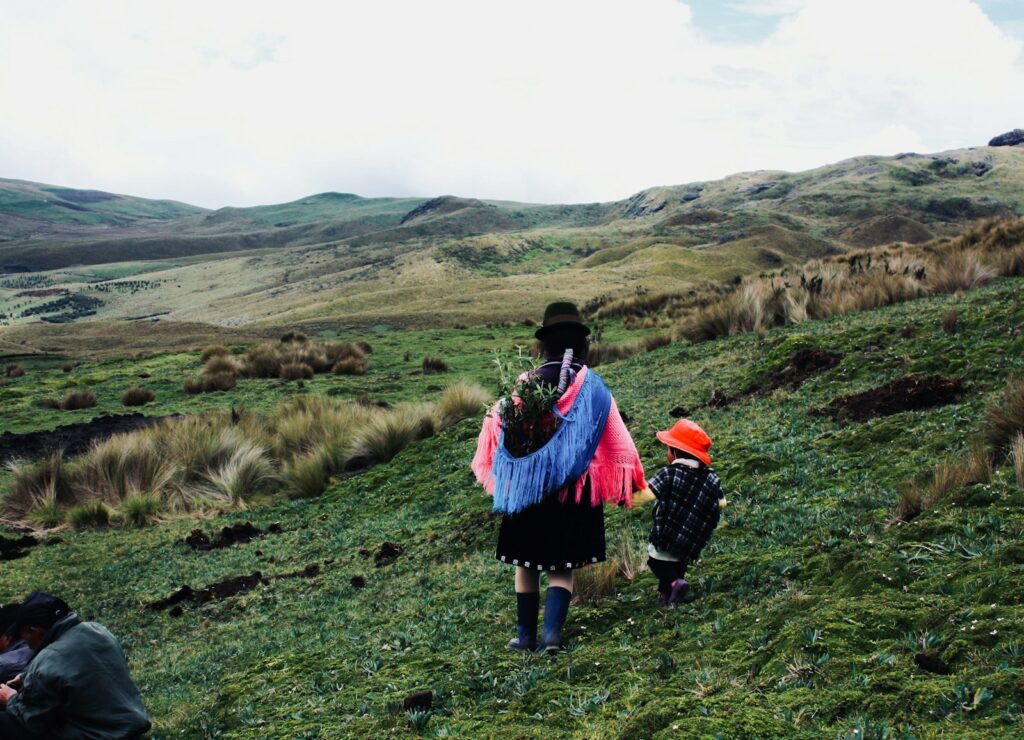
Indigenous women and girls face persistent discrimination worldwide, including disproportionate barriers to healthcare and poorer health outcomes, the European Union said in a statement marking the International Day of the World’s Indigenous Peoples on 9 August 2026.
The statement, issued by EU High Representative Kaja Kallas on behalf of the bloc, said Indigenous women and girls “frequently face multiple and intersecting forms of discrimination” that restrict access to quality healthcare, education and economic opportunities, and increase exposure to violence, including sexual and gender-based violence.
It also referred to General Recommendation No 39, adopted in 2022 by the UN Committee on the Elimination of Discrimination against Women (CEDAW), which said the committee had “consistently identified patterns of discrimination faced by Indigenous women and girls” and factors that exacerbate that discrimination.
The EU said this year’s International Day focus is on Indigenous midwives and their role in “safeguarding life and the well-being of those in their care”, adding that Indigenous women are “custodians” of Indigenous cultures, languages and knowledge.
EU commitments on rights and health
The EU stated that it remains committed to promoting and protecting human rights and to implementing the Beijing Platform for Action — a global framework for women’s rights agreed in 1995 — as well as the Programme of Action of the International Conference on Population and Development.
It reaffirmed its position on sexual and reproductive health and rights, stating that every individual has the right to full control over, and to decide freely and responsibly on, matters related to their sexuality and sexual and reproductive health, free from discrimination, coercion and violence.
The bloc also reiterated its support for Indigenous Peoples within and beyond its borders, and said their rights should be respected, protected and fulfilled as set out in the UN Declaration on the Rights of Indigenous Peoples and under international human rights law.
