
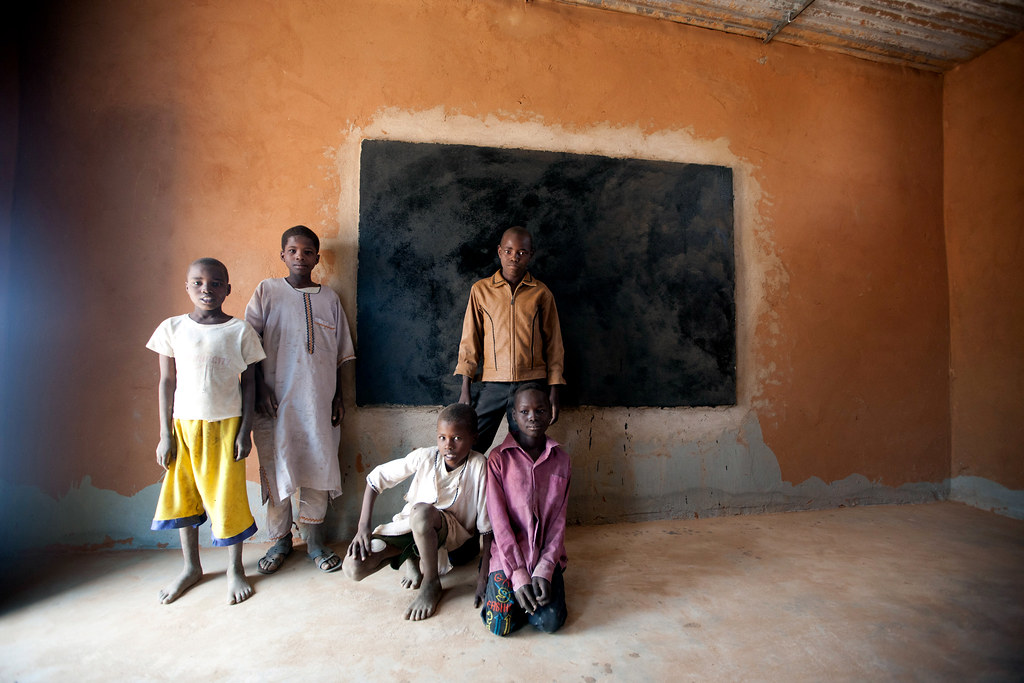
Sudan’s education system has been left unable to serve millions of children, with 8 million no longer able to access schooling and attacks on schools and education staff rising sharply, the European Union told a UN Security Council Arria-formula meeting in New York.
In a statement delivered on behalf of the EU and its member states on 7 August, the bloc said access to learning had been “severely disrupted” for 17 million children across the country, the European External Action Service (EEAS) announced on Friday.
Nearly half of Sudan’s school buildings can no longer function as classrooms, and attacks on schools and protected personnel increased by 57 per cent between 2024 and 2025, the EU said.
It declared that schools, students and teachers “must not be attacked” and should be protected under international humanitarian law, including the Geneva Conventions, as well as the UN Convention on the Rights of the Child and Security Council resolution 1998, which addresses grave violations against children in armed conflict.
It also raised concern about the military use of schools, saying it puts civilians — including students and teachers — at risk.
The EU called on the Sudanese Armed Forces and the Rapid Support Forces to stop attacks on educational facilities and staff, halt the military use of schools, and allow “safe, sustained and unhindered access” for education and child protection actors.
Funding and support for learning during the conflict
The EU and its member states said they were supporting continuity of learning through UN agencies, non-governmental organisations and local actors, including Emergency Response Rooms, which are local volunteer groups involved in aid coordination.
It noted it had allocated €276.3 million for its humanitarian response in Sudan and neighbouring countries in 2026, including €93.85 million targeted at “safe, inclusive” primary education.
The bloc also said it supported maintaining Sudan’s nationally recognised education system — including examinations and certification — under the Transitional Education Plan 2025–2027, so displaced and refugee children are not further disadvantaged.
The statement also set out four requests the EU said it was reiterating: a “genuine and lasting ceasefire”; rapid, safe and unimpeded humanitarian access and protection of civilians; a return to inclusive civilian governance; and justice, accountability and respect for the rule of law.
The EU said it rejected any partition of Sudan and was applying targeted restrictive measures against those it said were obstructing peace.
