
New EU rules covering how vehicles are designed, produced, collected and treated at the end of their life will enter into force on Thursday.
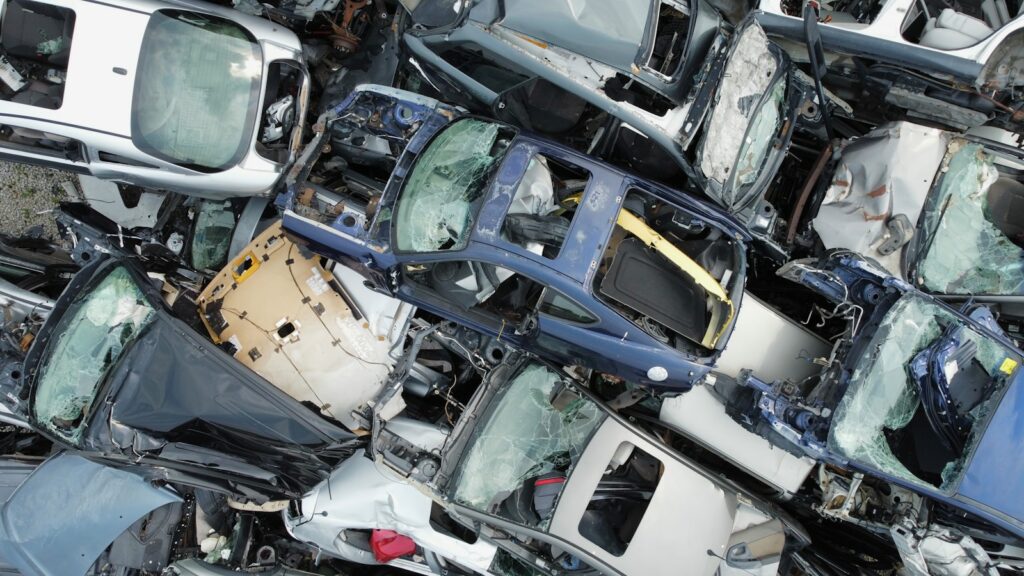
Between 10 and 12 million vehicles in Europe reach the end of their life each year and are treated as waste, the European Commission said in a release on Wednesday.
End-of-life vehicles can be a source of raw materials including steel, aluminium, copper and plastics, it added.
The European economy loses “millions of tonnes” of materials when end-of-life vehicles are not properly managed, the Commission stated, adding that poor handling can also cause environmental problems.
Under the End-of-Life Vehicles Regulation, manufacturers will have to provide clear and detailed instructions for removing and replacing parts during a vehicle’s use and at end of life in a move designed to make vehicles easier to dismantle.
The regulation also introduces mandatory EU-wide targets for recycled plastic content in vehicles — requirements for a minimum share of recycled plastic to be used — to increase demand for recycled materials.
Exports limited to roadworthy cars
Measures to encourage reuse, remanufacturing and refurbishment are expected to increase the availability of second-hand spare parts, the Commission said.
The regulation also strengthens producer responsibility rules, meaning manufacturers must help finance the waste treatment of end-of-life vehicles.
Only roadworthy cars will be allowed to be exported outside the EU under the new rules.
Stéphane Séjourné, Executive Vice-President for Prosperity and Industrial Strategy, declared the regulation was “not just about waste” but also about “Europe’s industrial future.”
Environment Commissioner Jessika Roswall said the regulation set “a new European standard” for how vehicles should be designed, produced and recovered.
