
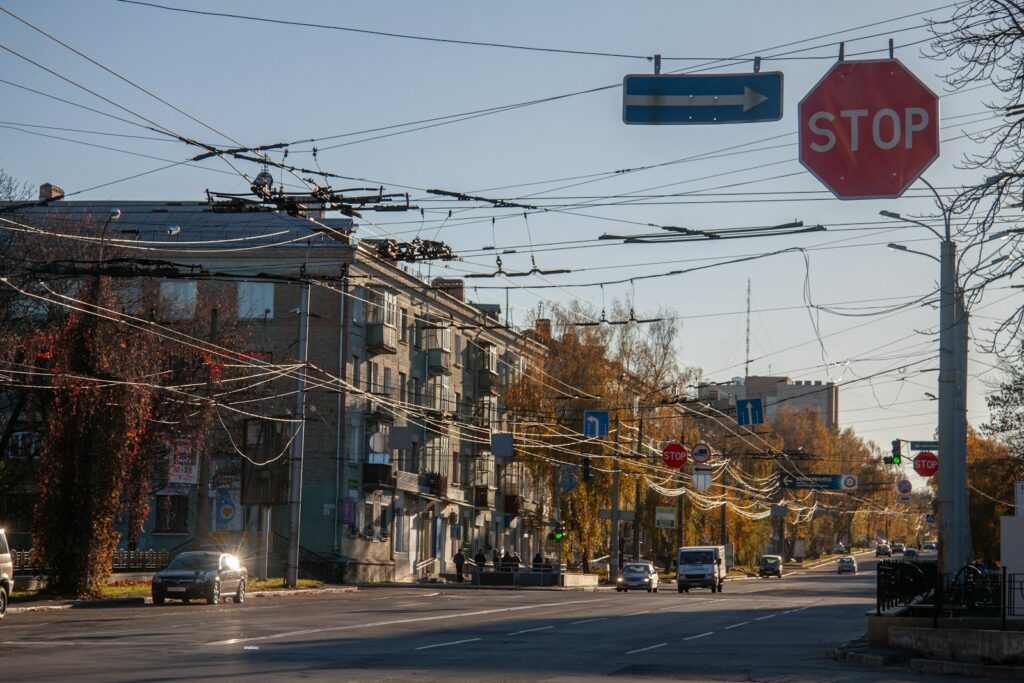
Khmelnytskyi in western Ukraine has added 10 new energy-efficient trolleybuses and opened a leachate treatment facility at its landfill as part of projects supported by the European Bank for Reconstruction and Development (EBRD) and international donors.
The investments were delivered under its Green Cities programme, which supports urban environmental projects, and come as the city has taken in thousands of internally displaced people since Russia’s full-scale invasion, the EBRD announced on Friday.
The new trolleybuses were backed by the European Union, the EBRD Crisis Response Special Fund and the EBRD Ukraine Stabilisation and Sustainable Growth Multi-Donor Account.
The bank said the new vehicles are low-floor and include air conditioning, wi-fi and security cameras, and are intended to improve access for older passengers, people with disabilities and parents with young children.
The trolleybus expansion has improved mobility for “tens of thousands” of residents.
Treating toxic runoff from landfill waste
At the city’s landfill, a new leachate treatment facility has been built under a solid waste management project supported by the European Union and Sweden, the EBRD said.
Leachate is the toxic liquid created when rainwater filters through waste, and can pollute soil and groundwater if it leaks.
The plant is part of the city’s Solid Waste Modernisation Action Plan under the Green Cities programme and treats more than 1,000 cubic metres of leachate a month using mechanical and biological filtration systems.
The facility includes balancing tanks, reverse osmosis equipment and sludge dewatering units.
The EBRD’s account supporting the trolleybus project is funded by a group of countries including the United Kingdom and the European Union.
