
Record heat, deadly wildfires, damaging drought and energy system disruption have been the hallmarks of this year’s summer in Europe. So will this be a long-overdue effective wakeup call when it comes to climate change’s clear and present danger?
It has been hard to escape the heat this summer in Europe. My annual ‘cool-cation’ pilgrimage back home to Wales was a total flop this year as the temperatures, even in a country synonymous with rainy cold weather, were in the mid-30s.
Thankfully, in the Morgan household, the art of cooling a house has long been practised. Doors and windows are kept closed when the air outside is too hot. Covers are put on the outside of windows to keep the heat off, curtains are kept closed during sunlight hours and there are enough emergency fans up in the attic to keep cooler air circulating inside.
But many people in Europe are not used to dealing with the heat or do not have the resources to pull it off. Many are also probably not retired like my parents and do not have the luxury of staying inside when it is hot.
That is why the latest figures about excess deaths during these summer heatwaves make grim but unsurprising reading. More than 35,000 people across Europe, with the true number expected to be much higher as the dataset is not yet complete.
Scientific consensus holds that this season will be one of the cooler summers we will experience over the next decade and beyond, as Europe is the fastest warming continent and the effects of climate change are not projected to let up anytime soon.
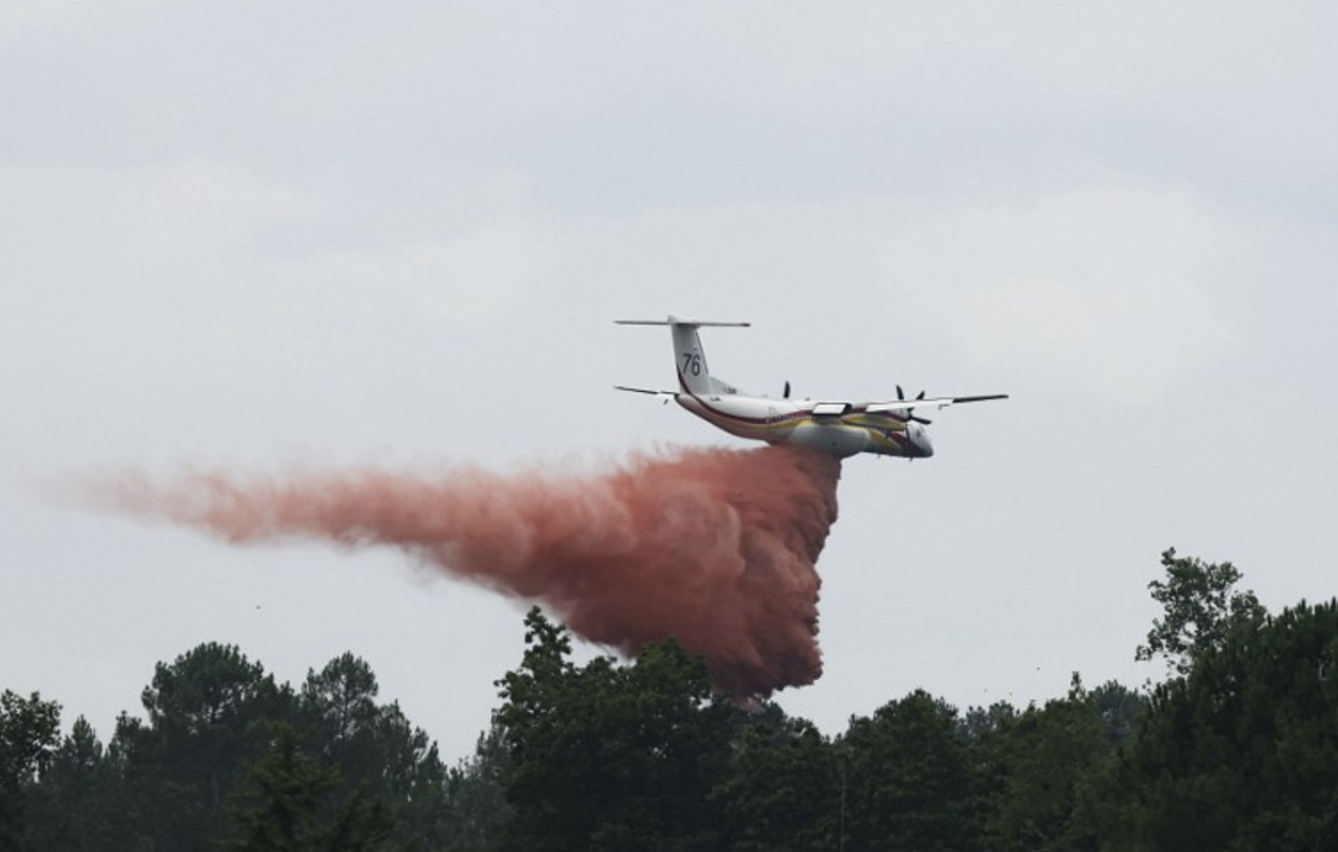
Heat is just one prong of the climate’s all-out assault this summer. Deadly wildfires have swept across vast swathes of land in countries across the continent, causing damage that may take years to repair.
Again in Wales, wildfires, both accidental and deliberately set, have wrecked people’s homes and destroyed precious natural ecosystems.
The emissions from those fires were so bad that during this period, Southeast Wales ranked as one of the most carbon-intensive regions on the planet. Let that sink in for a moment as it is a fact that should shock you.
Drought, again exacerbated by the effects of human-induced climate breakdown, has also led to fears of crop failures and water shortages, as well as destroying the work of many gardeners. My dad’s treasured tomato crop is cast-iron proof of that.
In two of Europe’s mightiest rivers, the Rhine and the Danube, the lack of water has also caused severe problems, many of which are still unfolding.
Lower water levels mean that ships cannot carry as much cargo as they will sit too low in the water. Less trade means hardships for everyone involved and GDP is expected to suffer heavily in countries like Germany and Hungary.
In the latter, a full-blown energy crisis was narrowly avoided after it looked likely that Hungary’s nuclear power plant would have to be taken completely offline due to lack of cooling water from the Danube.
The Paks plant normally supplies half of Hungary’s electricity but at its lowest output just two of the eight reactor turbines were spinning. Thankfully, engineering works and an uptick in the water level means it is back online.
Further downstream in Romania, the situation was worse and the nuclear power plant there was switched off and no resumption date has yet been announced. Bulgaria too has had to fight to keep its nuclear plant running.
These examples are just a small snapshot of the true climate breakdown picture and it makes calls this week from EU climate boss Wopke Hoekstra for more spending on climate adaptation all the more reasonable.
Governments are not spending even half the money the European Commission estimates is needed every year to prevent massive economic losses down the line.
Germany and other penny-pinching nations met yesterday to discuss the hundreds of billions in cuts they want made to the EU’s proposed next big budget, which given everything that has happened this summer, seems completely ludicrous.
At time of writing, hundreds of people are dead and many more missing on the Nepal-Tibet border after disastrous flooding ripped through the area. Scientists believe that it was caused by glacial collapse, brought on by rapidly melting ice in the Himalayas.
It is a stark illustration of the death and destruction being caused by climate breakdown against people who are least responsible for it.
Does this kind of catastrophe need to happen in Europe for climate change mitigation and adaptation to be addressed at the scale and speed demanded by science?
One hopes not but evidence suggests that buzzwords and straw-man arguments like ‘climate pragmatism’ and ‘energy security’ will continue to frustrate proper progress for some time yet.
We may need another brutal summer before the wakeup call actually works.
Want more updates and analysis of what is happening in the world of energy and climate? Interested in finding out more information about public tenders and consultations? Sign up to our Energy Rundown newsletter here!
