
The European Commission has set out what evidence EU steel importers must provide to show the country where their steel was first made and cast, under new “melt and pour” rules covering 26 steel product categories.
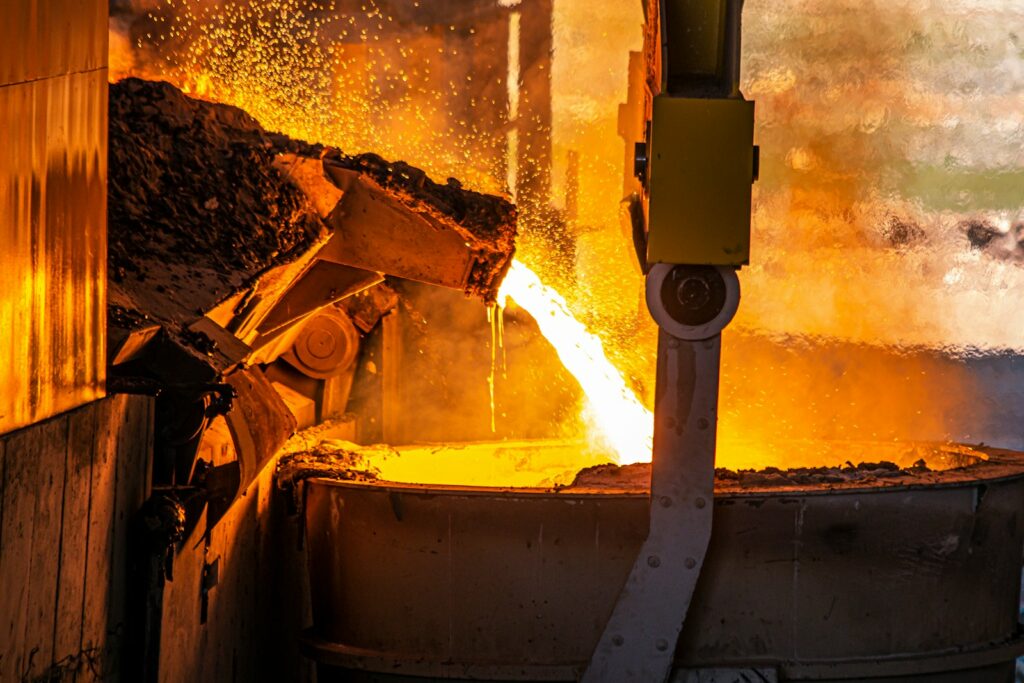
The “country of melt and pour” is defined as the place where raw steel or iron is first produced in liquid form and then cast into its first solid state, the Commission explained in a statement on Monday.
Importers will need to rely on documentation already used in day-to-day transactions, following a public consultation with stakeholders.
The requirement applies to steel imported into the EU from all origins except countries in the European Economic Area (EEA) — though EEA countries will still be subject to the melt and pour evidence rules.
How the EU Steel Regulation works
The EU Steel Regulation has been in place since 1 July 2026 and sets free-of-duty quotas totalling 18.3 million tonnes, with a 50% duty applied to imports above those quotas, the Commission said.
Member states gave unanimous support to the implementing act on 19 August, and it will start applying on 1 October 2026.
