
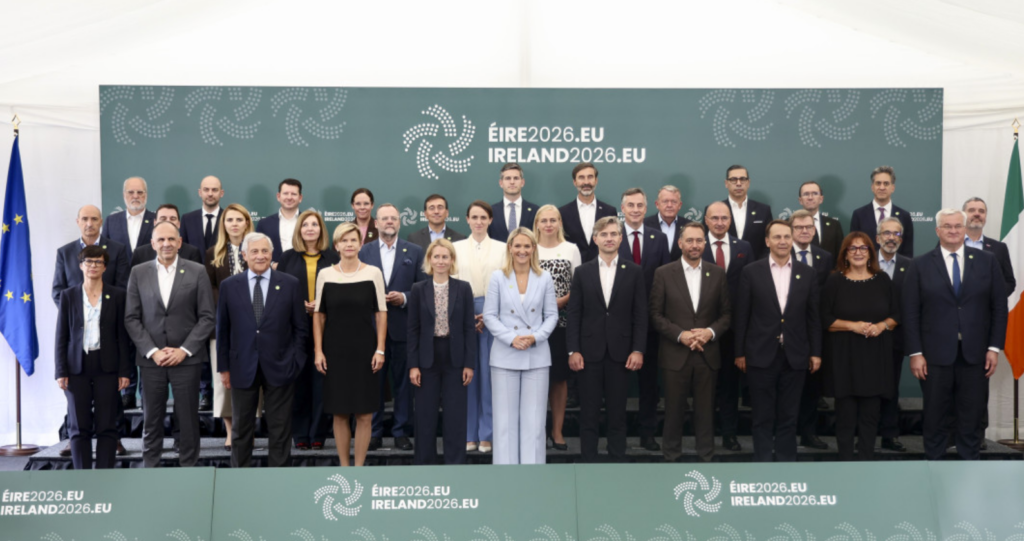
The EU and its member states have issued a declaration backing what they called renewed and strengthened multilateralism, with the United Nations at its core.
The declaration was dated 3 September 2026 and issued from Wicklow in Ireland, according to a statement published on Thursday by the European External Action Service (EEAS).
It said the EU viewed international law and the principles of the UN Charter as central to a rules-based international order, citing “growing geopolitical tensions” and “grave violations” of international law, including international humanitarian and human rights law.
The EU described the UN as having an indispensable role in maintaining peace and security, promoting sustainable development and advancing human rights, adding that it would continue to support work linked to the 2030 Agenda and the Sustainable Development Goals — UN targets covering issues such as poverty, health and education.
It also said the EU would seek to intensify its efforts to act as a “constructive, reliable and credible partner” in multilateral forums, working with partners, regional organisations and the wider UN system to build cross-regional alliances and coalitions.
Calls for reform, funding and legal accountability
The declaration stated that the multilateral system should be reformed and further developed so it remains “effective, inclusive, representative, accountable, cost-efficient and responsive”, and reiterated support for an ongoing UN reform process, including what it referred to as the UN80 initiative.
It called for “adequate, sustainable and predictable” financing for the UN, and said paying assessed contributions “in full and on time” is a legal obligation under the UN Charter.
The EU also expressed support for the UN’s human rights work and for institutions dealing with accountability for breaches of international law, including international courts and those who cooperate with them.
The statement backed the role of the International Court of Justice in settling disputes between states and described the International Criminal Court as contributing to efforts to end impunity for serious crimes, while calling for protection of the court’s independence and effective functioning.
It also reaffirmed commitment to the United Nations Convention on the Law of the Sea — a treaty setting out rights and responsibilities of states in maritime areas — and urged all states to abide by its fundamental principles and rules.
