
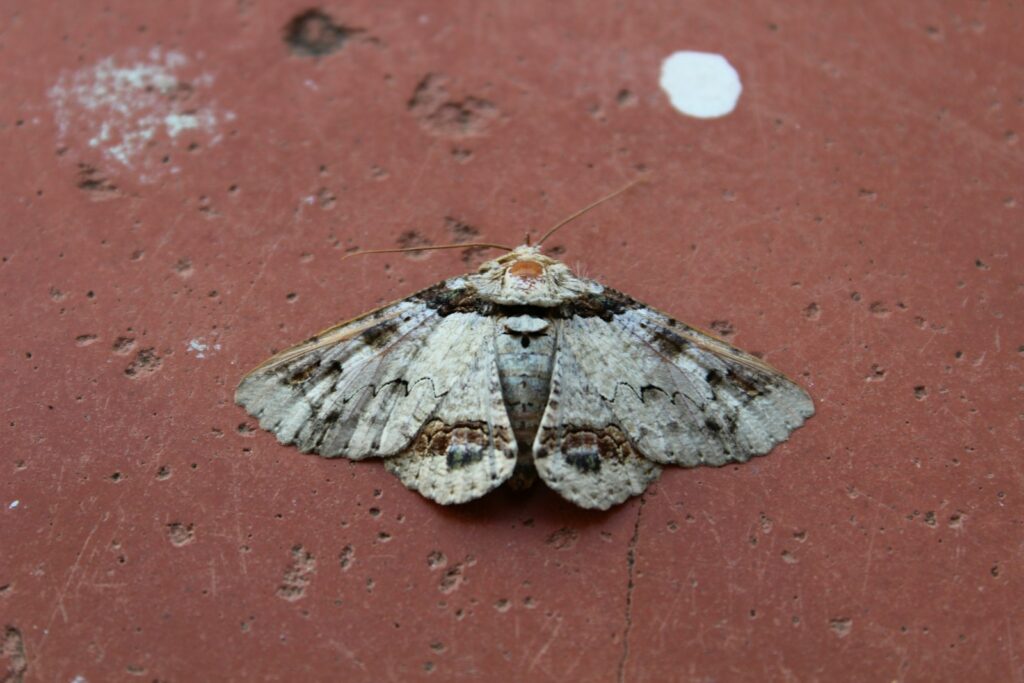
Nearly 11% of Europe’s moth species are threatened with extinction, according to the newly published "European Red List of Moths."
The assessment is the first comprehensive review of extinction risk for moths across Europe and covers 3,082 species, including 704 that are found nowhere else, the European Commission informed on Monday.
In the EU27, 2,828 moth species were assessed, including 488 endemic species.
Data gaps remain large, with the conservation status of about one in four species unclear because there is not enough information about their distribution, ecology or population trends.
Around 35% of endemic species assessed at European level are classed as “Data Deficient” under the IUCN system — a widely used set of categories for assessing extinction risk.
One moth species from the Azores, "Eupithecia ogilviata," is assessed as “Extinct”, the report said. Several other species are listed as “Critically Endangered” and marked as “Possibly Extinct.”
Habitat change and climate pressures
Habitat modification and degradation were identified as the main pressures affecting moths, followed by climate change and factors linked to intensive agriculture.
The report also listed urban development, pollution, habitat fragmentation, pesticide use, landscape simplification and artificial light at night as pressures affecting many species.
The publication means all four pollinator groups covered by the EU Pollinators Initiative — bees, butterflies, hoverflies and moths — have now been assessed for extinction risk.
The report listed priorities including protecting, restoring and reconnecting habitats, promoting sustainable land use, reducing pressures such as pollution and artificial light at night, and strengthening monitoring and data collection, particularly in under-recorded regions.
It also pointed to the need for more research on threatened and “Data Deficient” species, including through the EU Pollinator Monitoring Scheme.
