
The EU’s rules on public access to documents, written in 2001, need updating to reflect how decisions are made in a digital age.
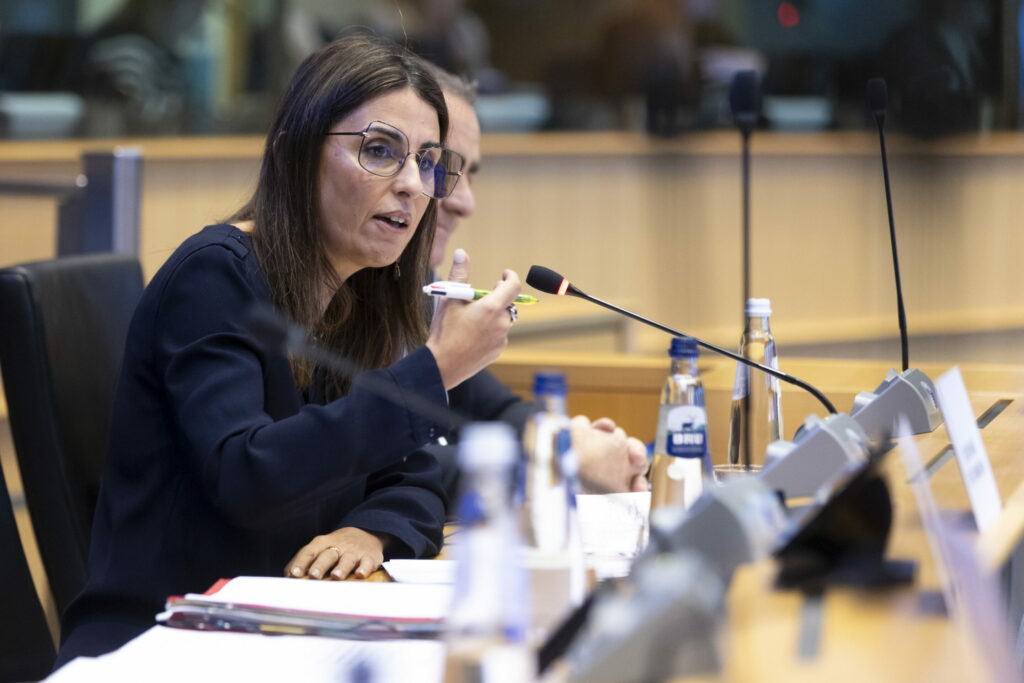
European Ombudswoman Teresa Anjinho declared the need for an overhaul in Brussels on Friday.
In remarks to a Council of the European Union working party, Anjinho said her office had received 20 complaints against the Council since the start of 2025 and opened eight inquiries, with most linked to transparency and public access to documents.
She noted that one ongoing case concerns the Council’s refusal to disclose 14 documents containing minutes from meetings of the Africa working party, with the Council citing exceptions linked to public security and international relations and, for half of the documents, defence and military matters.
Anjinho also referred to two earlier cases on access to documents linked to the Digital Markets Act and the Digital Services Act — two EU laws that regulate large online platforms — brought by journalists and a media outlet.
In both cases, her office found the Council had not sufficiently demonstrated how disclosure would seriously harm protected interests, and while access was ultimately granted, the delay meant the documents were no longer useful for public engagement.
Calls to revisit ‘Regulation 1049’
The Ombudswoman said the EU’s access to documents law, known as Regulation 1049, was written for “a world of paper files and physical archives” and is being stretched by court rulings and Ombudsman decisions to fit modern realities.
Negotiations can now take place by text message, she said, while governance increasingly depends on digital data flows.
Anjinho pointed out that three problems stood out: a lack of clarity for citizens and institutions; exceptions to disclosure being applied too broadly and with vague reasoning; and the time taken to handle requests.
Current timeframes can allow up to six weeks for an initial reply and up to six more weeks for a confirmatory application, she said, adding that some institutions overshoot those timelines by months or even years.
She also noted that her office expects complaints to continue in areas including documents marked “LIMITE” during ongoing discussions — an internal Council marking that restricts public distribution — as well as inadequate recording or disclosure of member states’ positions and a lack of transparency around “trilogues”, the closed-door negotiations between the Council, European Parliament and European Commission used to agree the final text of EU laws.
Anjinho said she is examining a complaint about redactions in trilogue documents linked to the proposed Green Claims Directive.
She also pointed to the interinstitutional EU Law Tracker, a joint tool by the Council, Parliament and Commission that shows the status of proposals and lists available documents, saying it received an “Excellence in Open Administration” prize in her office’s 2026 Award for Good Administration.
The Ombudswoman said she will report to the European Parliament that the Council accepted 100% of her office’s suggestions in its 2025 follow-up.
