
MEPs have renewed calls for a larger long-term EU budget for 2028 – 2034 as member states prepare to set out their negotiating position this weekend.
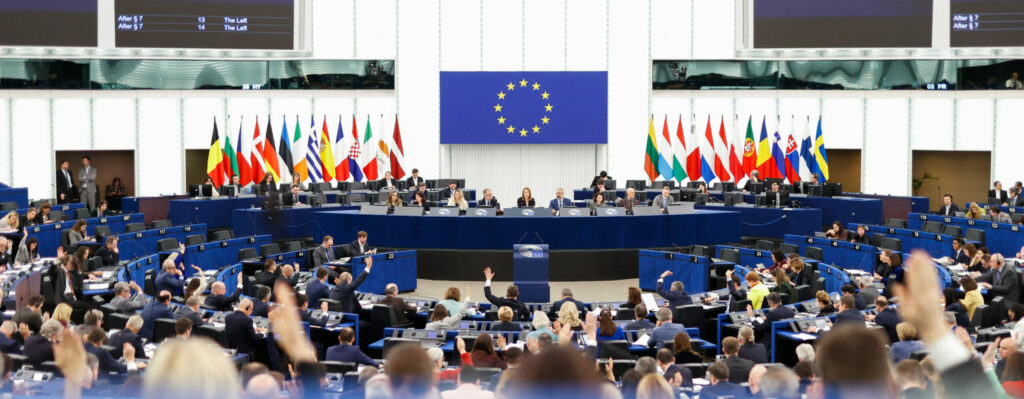
The debate in the European Parliament on Wednesday brought together MEPs and representatives of the European Commission and the Council of the EU to discuss the next multiannual financial framework (MFF), the EU’s seven-year spending plan, the Parliament announced in a release.
The Parliament’s co-rapporteur Siegfried Mureşan said MEPs would not give consent to a budget that includes cuts and, in his words, would “weaken Europe in the years ahead.”
He said the Commission’s proposed 2028 – 2034 budget was at the same level as the current 2021 – 2027 budget, with the proposal accounting for 1.15% of member states’ gross national income compared with 1.14% when the current budget was proposed.
National budgets have grown by 68% over the past seven years in absolute terms while the EU budget “has not kept pace."
Parliament’s other co-rapporteur, Carla Tavares, said “we are no longer dealing with temporary crises, but with structural challenges”, and argued that resources should match the responsibilities assigned to the EU.
New revenue ideas and member state negotiations
MEPs from most political groups reaffirmed Parliament’s negotiating position adopted in April 2026, calling for a “strong, realistic” budget, new revenue streams, and funding for policies including agriculture, regional and cohesion programmes, and social spending.
Some members also raised concerns about how EU money is spent and called for greater transparency and accountability.
The Parliament’s position calls for an increase of around 10% compared with the Commission’s July 2025 proposal, including to support priorities such as defence and security, competitiveness, cohesion and agriculture.
It also proposed new revenue sources including a digital services levy, an online gambling levy, an extension of the carbon border adjustment mechanism — a charge on certain imports linked to their carbon emissions — and a levy on crypto-asset capital gains.
Thomas Byrne, Ireland’s minister for European affairs, said the Irish EU presidency would put forward the Council’s draft negotiating position on Saturday and that “finding a balance entails difficult decisions.”
The Cyprus Council presidency’s draft negotiating position proposed a 2% cut compared with the Commission’s proposal.
The EU’s long-term budget requires unanimous approval by member states in the Council and consent from Parliament by an absolute majority of MEPs.
