
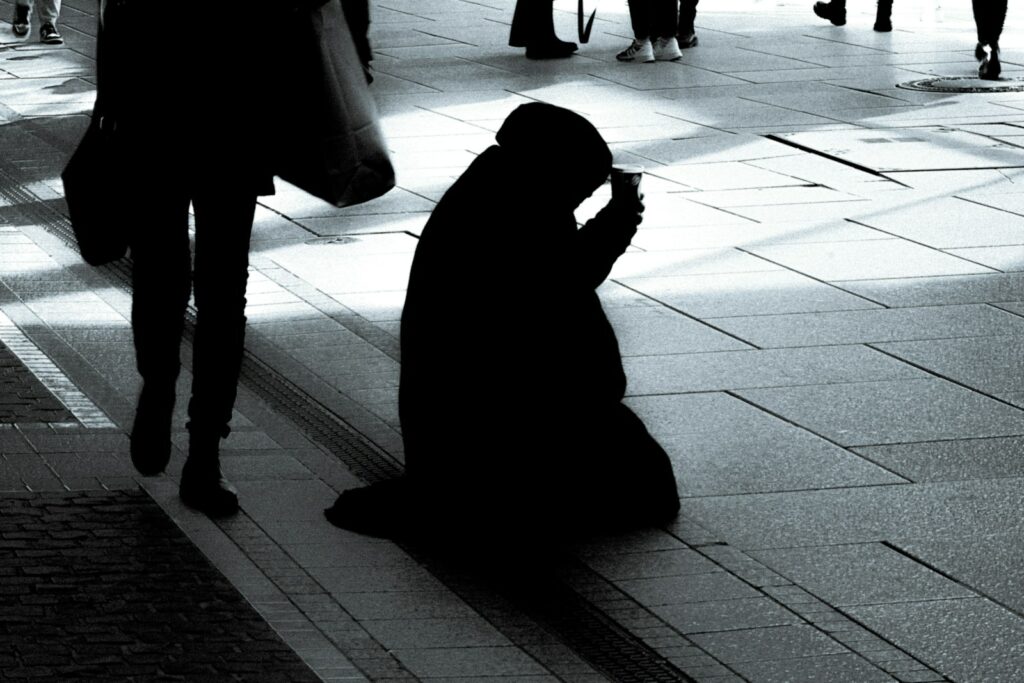
EU countries have agreed a new Council recommendation setting out measures to prevent and address homelessness and housing exclusion, including steps to identify people at risk earlier and expand access to affordable and social housing.
The recommendation calls for a person-centred, “housing-led” approach, combining emergency support with longer-term routes into secure accommodation, the Council of the EU announced on Monday.
Housing exclusion is defined broadly, covering not only homelessness but also people living in inadequate homes — such as housing without basic facilities like flushing toilets — or in insecure situations, including those facing eviction or domestic abuse.
“Everyone deserves a safe and secure place to call home,” said James Browne, Ireland’s Minister for Housing, Local Government and Heritage.
The Council also urged member states to strengthen tools to identify and support households at risk, simplify access to social services, and increase the supply of affordable and social housing.
Early warning systems and ‘one-stop shops’
The recommendation includes early detection measures such as early warning systems and targeted help for at-risk households, including debt counselling, safeguards against forced eviction, emergency rental assistance and mediation, the Council said.
It also includes a commitment for member states to ensure no child is deprived of adequate housing, and for children and young people leaving institutional or foster care to have access to housing and support.
For people already experiencing homelessness or housing exclusion, the Council suggested a simplified “one-stop shop” model to help people get timely referrals to social security agencies, social assistance, and social and health services.
The recommendation also set out proposals for tailored support plans based on individual assessments, delivered by multi-disciplinary, community-based outreach teams that may include health professionals, social workers and food banks.
Member states are encouraged to update the European Commission every five years on how effective their national strategies are, with the Commission due to review progress and report back to the Council five years after adoption.
Homelessness is estimated to affect more than one million people across the EU.
