
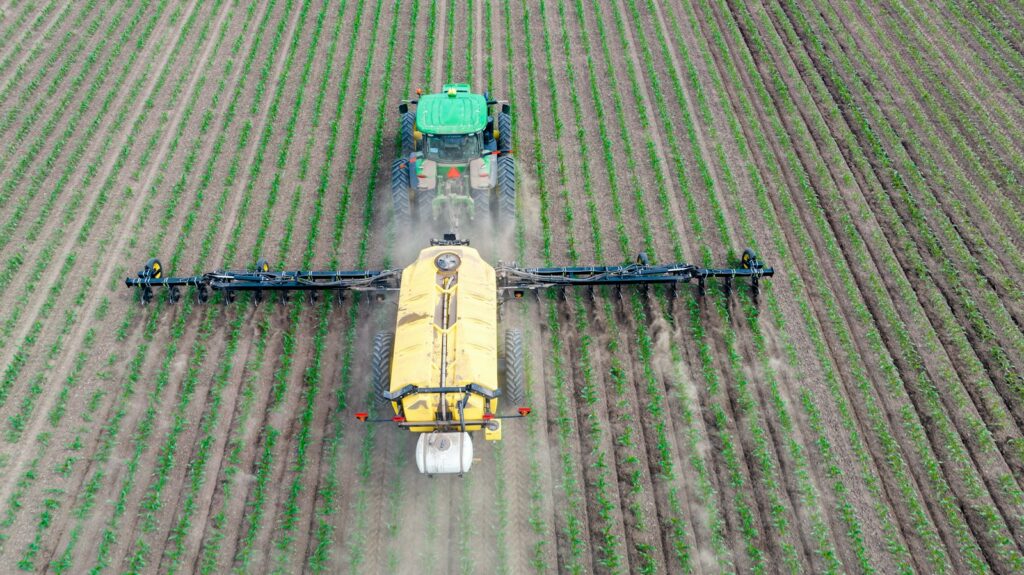
The European Commission has published a draft amendment to EU nitrates rules that would let member states give farmers more flexibility to use certain fertilisers made from livestock manure.
The proposal is intended to reduce farmers’ costs and cut reliance on chemical fertilisers, the Commission said in a release on Monday.
Under the draft, countries would be able to permit the use of some liquid digestates derived from livestock manure, while keeping environmental protections in place.
Digestate is a nutrient-rich liquid left over after organic material such as manure is processed, commonly through biogas production.
The change would modify the EU’s Nitrates Directive — rules designed to protect water from pollution caused by nitrates from agricultural sources — by extending existing exemptions to additional types of liquid digestate that meet the EU’s criteria for “recovered nitrogen from manure” (RENURE).
How the change fits existing EU rules
RENURE rules adopted in March 2026 already allow certain manure-derived fertilisers to be applied above the normal limit set for manure and processed manure under the Nitrates Directive, according to the Commission.
The proposed amendment would broaden that approach to cover some liquid digestates that can also comply with the RENURE criteria.
The Commission said its proposal is supported by a new report from its Joint Research Centre, which assessed the potential for the safe use of agricultural digestates as fertilising materials.
Feedback on the draft amendment is open until 13 November 2026, with citizens and stakeholders including farmers, civil society groups, public authorities and researchers invited to contribute.
After reviewing submissions, the Commission will send the proposal to member states in the Nitrates Committee, and if the committee backs it, the European Parliament and Council would then have three months to raise objections.
