
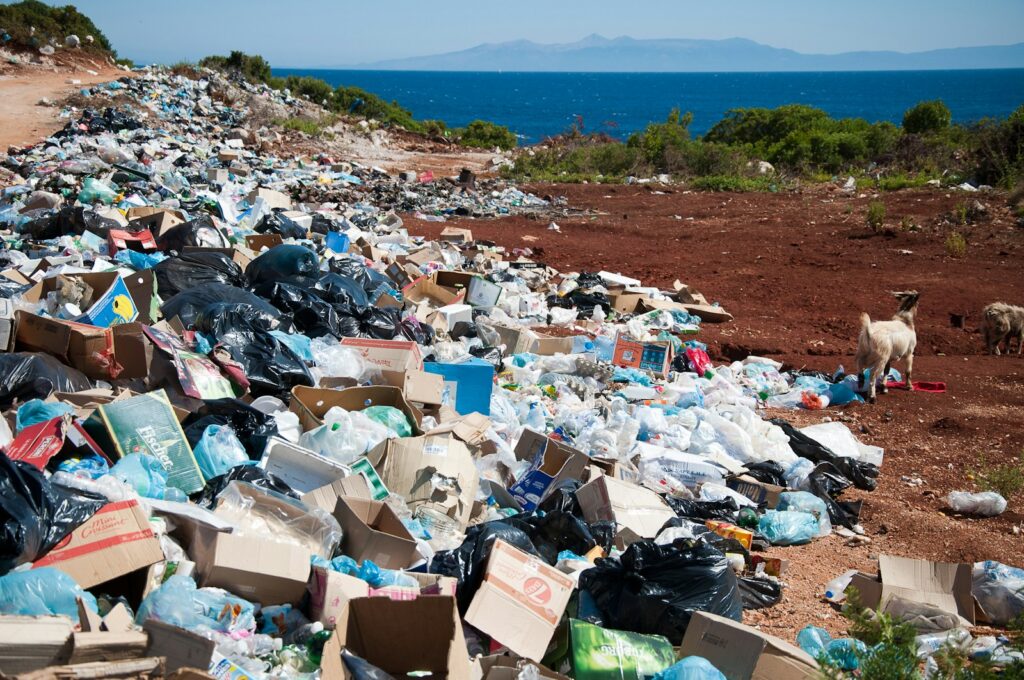
People in the EU generated an average of 1,697kg of waste each in 2024.
The EU produced 765 million tonnes of waste in 2024 when major mineral waste from mining, quarrying, construction and demolition is excluded, Eurostat reported on Thursday.
That category represented 35% of all waste generated across the bloc, totalling 2,196 million tonnes.
Over the past two decades, total waste generation excluding major mineral waste fell by 1.9% to 765 million tonnes in 2024 from 779.5 million tonnes in 2004.
Waste levels varied widely by country. Estonia recorded the highest amount of waste per person at 4,703kg, followed by Belgium at 3,157kg and Bulgaria at 2,881kg. Estonia’s high figure is linked to energy production from oil shale.
The lowest levels were recorded in Malta at 1,092kg per person, Ireland at 1,199kg and Slovenia at 1,254kg.
How the EU handled its waste
Almost two thirds of EU waste (61.8%) was treated through “recovery” operations in 2024 — a category that includes recycling, backfilling and incineration with energy recovery — according to Eurostat.
Recycling accounted for 42.0% of treated waste across the EU, while 13.3% was used for backfilling, a method where waste is used to fill excavated areas or for engineering and landscaping purposes.
Incineration with energy recovery made up 6.5% of treatment, while 37.8% was sent to landfill and 0.4% was incinerated without energy recovery.
Recycling exceeded 50% of waste treatment in 12 EU countries, with the highest shares in Italy (87.3%), Hungary (77.1%) and Slovakia (69.8%).
By contrast, landfill was the main treatment method in Bulgaria (91.4%), Finland (84.4%) and Sweden (75.1%), while incineration with energy recovery accounted for 27.0% of treatment in Denmark and 19.4% in Lithuania.

