
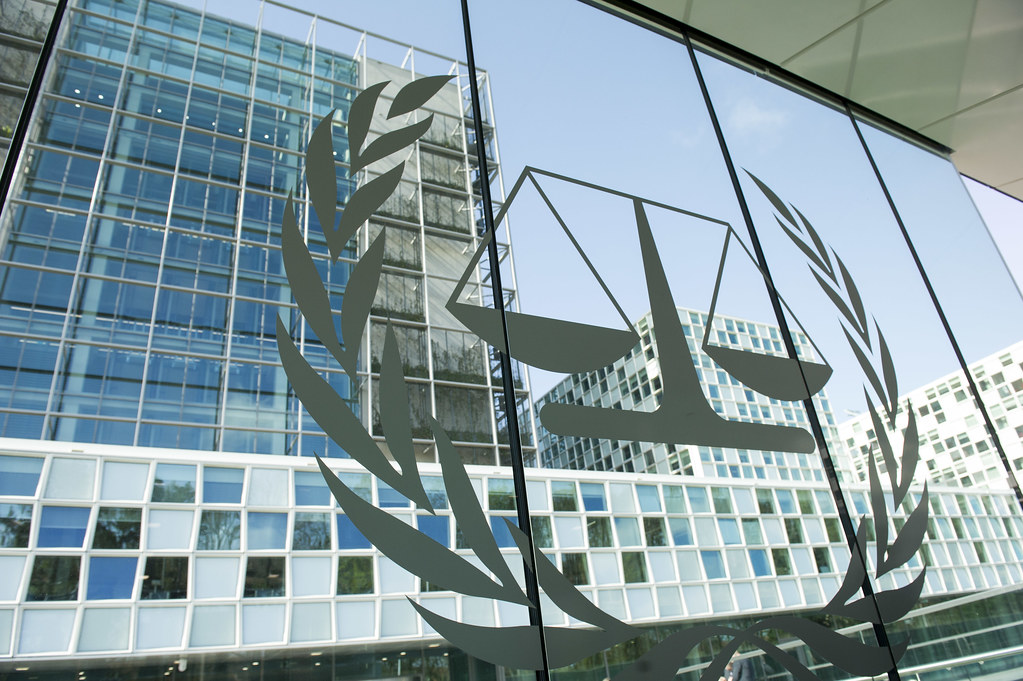
The European Union told the UN General Assembly it was “deeply” concerned about continued measures against the International Criminal Court, including recent steps imposed against the court itself.
Speaking on Monday on behalf of the EU and its member states, Fabio Cannizzaro of the EU Delegation to the United Nations called for the “immediate lifting” of sanctions targeting the ICC, its elected officials, its staff and those cooperating with it, the European External Action Service (EEAS) informed.
The EU said the court must be able to pursue investigations and judicial proceedings “free from any pressure, intimidation or interference”, adding that measures against it risk a “chilling effect” on investigations, victims, witnesses and civil society actors working with the ICC.
It declared that a decision to delay the full effect of the latest measures had created “space for diplomacy” aimed at reversing them.
Cooperation and the Rome Statute
The EU and its member states — all parties to the Rome Statute, the treaty that created the ICC — said they stood “united behind the Court” and would work with partners on concrete measures to protect it and preserve its functioning, including ensuring unimpeded access to financial and other services.
States’ cooperation remained essential for the ICC to fulfil its mandate, including the execution of outstanding arrest warrants.
The statement also urged the UN Security Council to refer situations to the court “where appropriate”, and called on the permanent members to refrain from using their veto “in situations of mass atrocities.”
The EU said it regretted that some ICC member states had taken steps in recent months to withdraw from the Rome Statute, and invited them to reconsider, adding that they remain bound by their obligations until any withdrawal takes effect.
Cannizzaro’s remarks came during a General Assembly debate on the ICC’s annual report covering 1 August 2025 to 31 July 2026, which included updates on activities linked to situations in countries including Ukraine, Palestine, Afghanistan, Libya and the Democratic Republic of the Congo.
The EU said it took note of a decision by the Assembly of States Parties on 24 July 2026 following disciplinary proceedings concerning the former prosecutor, made under Article 46 of the Rome Statute, and said it had full confidence in the Office of the Prosecutor.
