
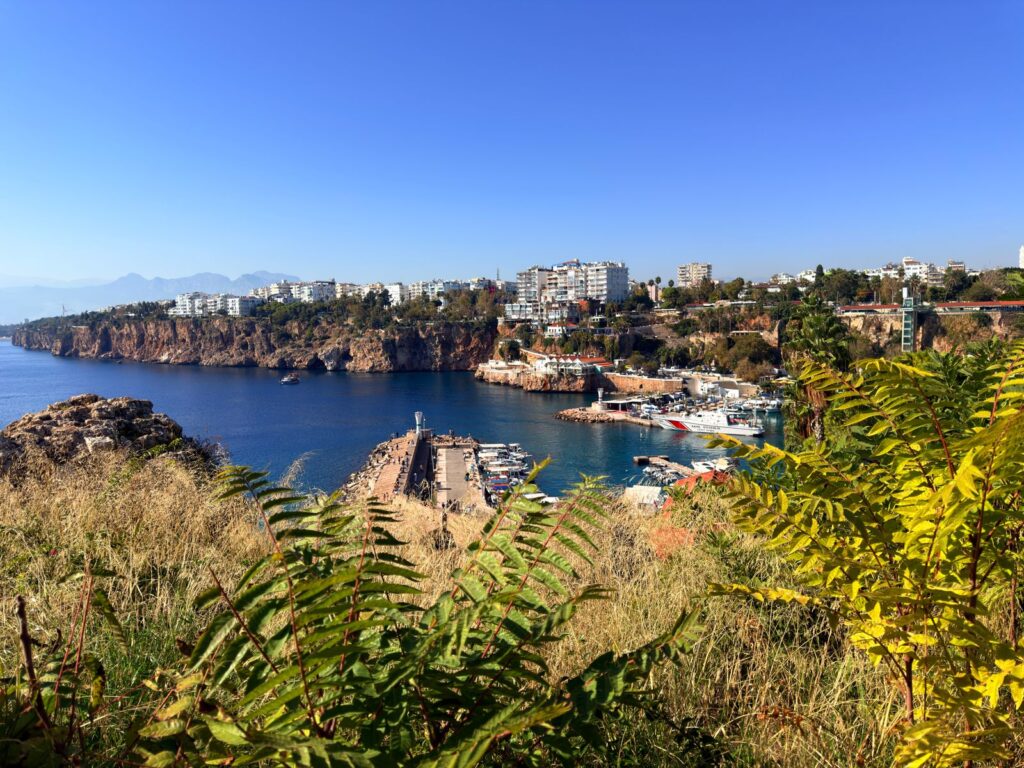
COP31 moved into its second week in Antalya, Turkey, with EU climate commissioner Wopke Hoekstra set to lead the bloc’s negotiating team from 16 to 20 November.
Hoekstra will work with Ireland’s Presidency of the Council of the EU and member states under the EU’s agreed negotiating mandate for the summit, the European Commission said in a statement on Friday.
The EU’s stated priorities at COP31 include implementing the Paris Agreement and advancing the clean energy transition, with a focus on global electrification — switching end uses such as heating and transport from fossil fuels to electricity.
European Commission President Ursula von der Leyen attended the opening session of the Antalya Leaders’ Summit and the high-level segment for heads of state and government on 11 November.
Von der Leyen told the COP31 plenary that Europe would deliver on its climate commitments, accelerate electrification and strengthen global partnerships.
New initiatives and new EU emissions figures
Energy and housing commissioner Dan Jørgensen attended the COP31 Energy Ministerial and other meetings this week covering electrification, methane, energy efficiency and the transition away from fossil fuels, the Commission said.
On 13 November, Mediterranean commissioner Dubravka Šuica presented new climate-related initiatives under the Pact for the Mediterranean, a Commission framework focused on regional cooperation and investment in the Mediterranean region.
The Commission also launched what it described as the first global alliance of public and multilateral research funders dedicated to coordinating research on climate and health.
New EU figures published on 9 November showed net greenhouse gas emissions in the EU fell by 1.6% in 2025 compared with 2024.
EU net emissions are now 39% below 1990 levels, while the EU economy has grown by 74% over the same period, according to the Commission’s 2026 EU Climate Action Progress Report.
