
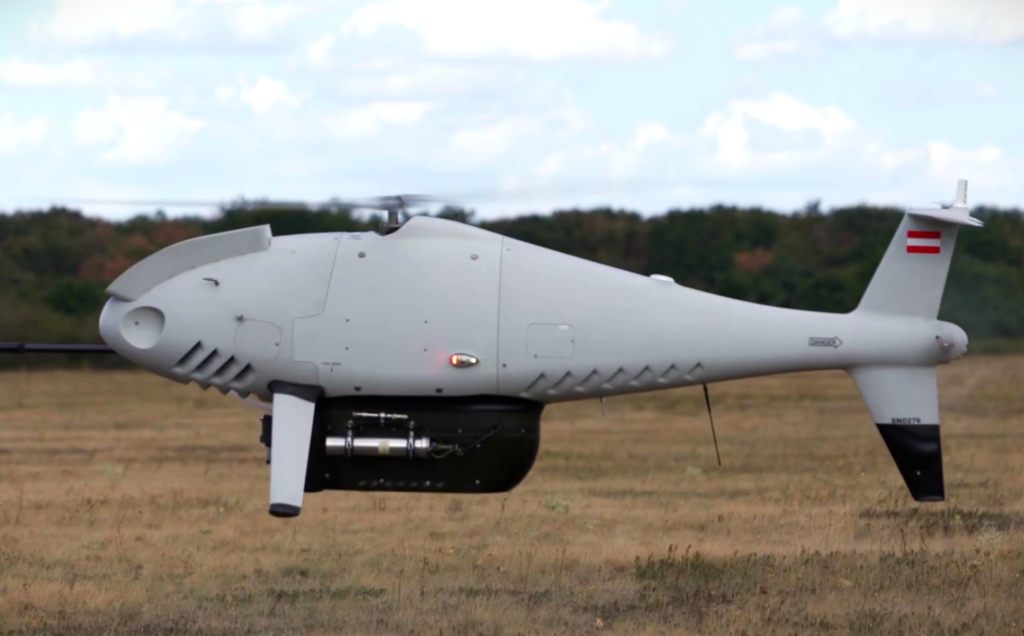
Six EU countries have said they will explore buying chemical, biological, radiological and nuclear (CBRN) surveillance equipment and services together through the European Defence Agency (EDA).
Austria, Croatia, Germany, Lithuania, Slovakia and Slovenia signed a joint declaration on 17 November, saying they intend to examine a shared purchase under the next phase of an existing EDA-backed project known as CBRN Surveillance as a Service, the EDA announced on Wednesday.
The declaration sets out political intent and any joint purchase would be subject to national approval procedures, the EDA said, adding that other EU member states will be invited to join.
The procurement would focus on interoperable systems — equipment designed to work seamlessly across different countries’ forces — and would be supported by the EDA’s new Collaborative Defence Procurement Centre.
EDA chief executive André Denk said the centre can help countries “combine their purchasing power, coordinate joint procurement, reduce costs and deliver interoperable solutions.”
Drones and sensors to reduce risk to personnel
The planned work builds on cooperation launched in 2018 under Permanent Structured Cooperation (PESCO), an EU framework for collaborative defence projects, the EDA said.
The project has involved developing sensors that can detect hazardous chemical, biological and radiological substances and transmit information, with the sensors able to be integrated into unmanned platforms such as drones and autonomous ground vehicles.
Austrian defence minister Klaudia Tanner said threats can be detected “without putting human lives at risk”, with Austria acting as lead nation for the project.
Software developed under the initiative can process transmitted data and generate a real-time CBRN “situational picture” to support commanders’ decisions.
Some of the technologies were tested during the EU Operational Experimentation exercise in Portugal, demonstrating potential for operational use.
The development phase of the CBRN Surveillance as a Service project is expected to be completed in mid-2027.
