
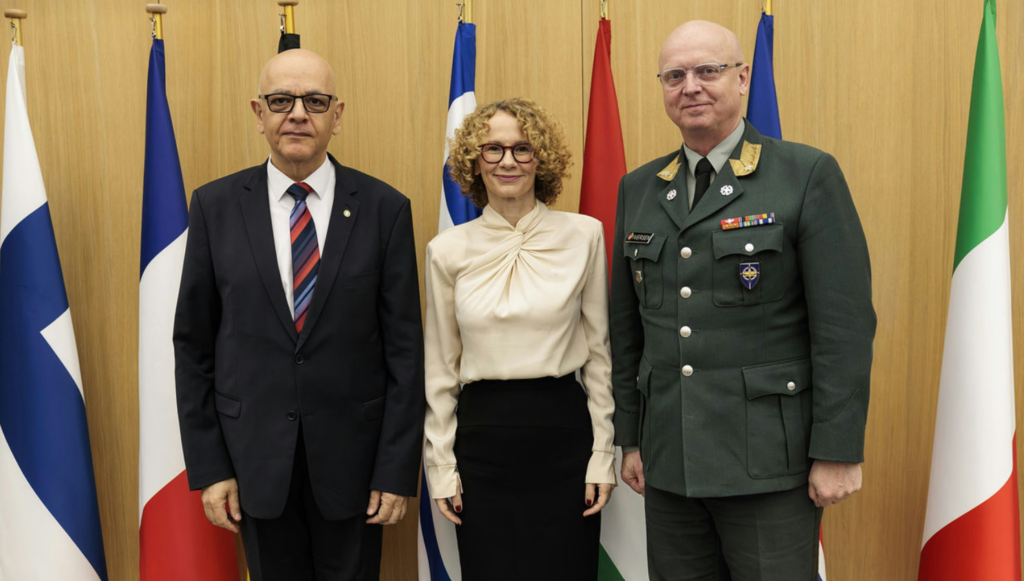
Senior civilian and military health officials from NATO countries met at the alliance’s headquarters on 19 November to discuss ways to strengthen medical support for collective defence.
The talks were the fourth joint meeting between NATO’s Joint Health Group and the Committee of the Chiefs of Military Medical Services in NATO, known as COMEDS, the alliance reported on Thursday.
Medical readiness and resilient health systems are essential to NATO’s ability to deter threats, defend Allied territory, sustain operations and protect populations, Deputy Secretary General Radmila Shekerinska said.
She welcomed work to strengthen civil-military medical cooperation through the two NATO bodies and called for continued action at national level.
Focus on exercises and host nation planning
Closer cooperation between civilian and military health services is needed to meet collective defence requirements while maintaining care for civilians, Lieutenant General Remigijus Baltrėnas, Director General of the International Military Staff, said.
Participants discussed the direction set by the Supreme Allied Commander Europe — NATO’s top military commander in Europe — on warfighting readiness and what it means for medical support.
They also discussed what arrangements host nations need to have in place, reviewed progress on a Medical Action Plan, and committed to using upcoming exercises to improve cooperation and readiness across civilian and military health services.
The chairs of the two groups said healthy populations and resilient health systems help maintain public confidence and social stability during crises, and said closer civil-military cooperation strengthens resilience across Allied countries and the wider alliance.
