
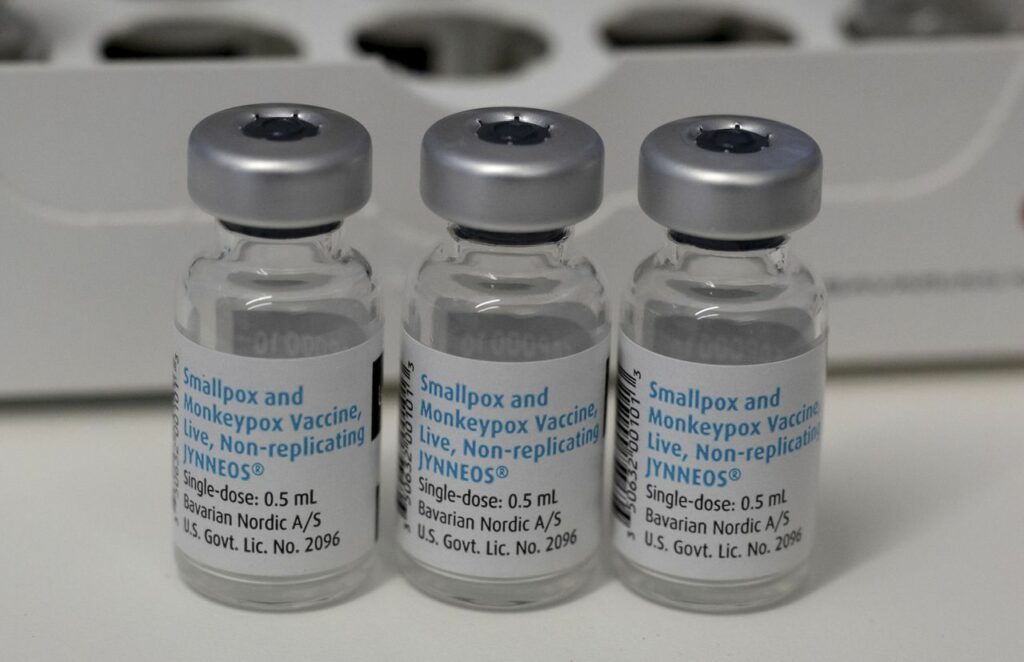
The World Health Organisation (WHO) has maintained its highest alert level for the Mpox outbreak as the number of cases and affected countries continues to rise.
WHO Chief Tedros Adhanom Ghebreyesus agreed with a committee of experts that the maximum alert level is justified due to the ongoing increase in cases, their geographic spread, violence in eastern Democratic Republic of the Congo (DRC) hindering response efforts, and a lack of funding for the response.
Dr Tedros declared a public health emergency of international concern (PHEIC) on 14 August 2024 in response to the rapid spread of the disease, formerly known as monkeypox, particularly in Africa and the DRC.
The PHEIC is the highest alert level under the International Health Regulations, which are legally binding for 196 countries.
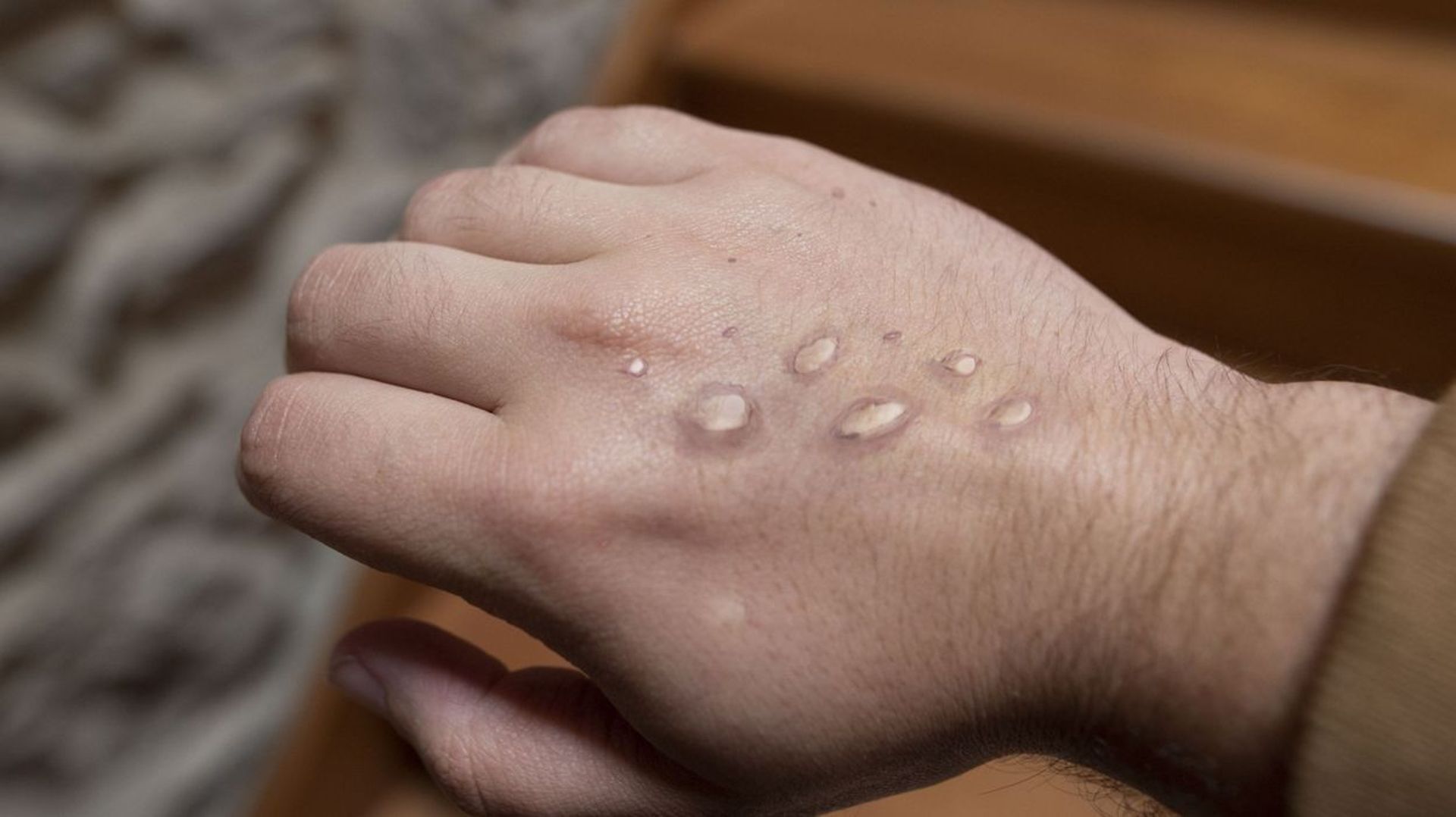
Mpox is caused by a virus from the same family as smallpox, which can be transmitted to humans from infected animals and between humans through close physical contact. The disease results in fever, muscle pain, and large skin lesions resembling boils, and it can be fatal.
Credit: Belga
Mpox has two subtypes, clade 1 and clade 2. The virus gained global attention in May 2022 when clade 2 spread worldwide, primarily affecting men who have sex with men.
Nearly 128,000 Mpox cases have been confirmed in laboratories across 130 countries since then, including 281 deaths, according to the latest WHO data.
In response to the initial outbreak, the WHO declared a PHEIC in July 2022, but vaccination and awareness campaigns helped curb the spread, leading to the alert being lifted in May 2023.
New outbreak
However, a new outbreak emerged just a year later, primarily in the DRC, involving both the original clade 1 and the new clade 1b. This resurgence prompted the WHO to reissue the highest alert level in August.
To date, the clade 1b strain has been confirmed in the DRC and five other African countries, affecting thousands of people.
The DRC reported over 13,000 Mpox cases and 43 deaths last year and has confirmed more than 2,000 cases in the first five weeks of this year, representing over half of the world's confirmed cases.
Cases have also been detected in about 15 other countries worldwide, linked to travel to the hardest-hit areas in Africa.
