
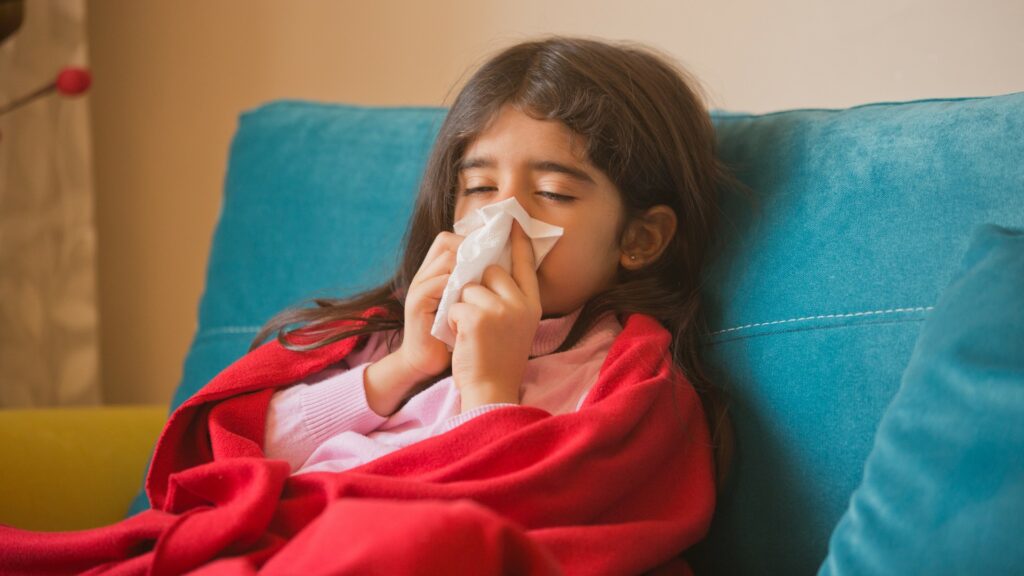
Influenza is sweeping across the European Region earlier than usual, with a newly dominant virus strain placing health systems under significant pressure in some countries, thew World Health Organization (WHO) European Region warned in a statement on Wednesday. But there are ways how to keep safe.
The influenza season has begun roughly four weeks earlier than in previous seasons. At least 27 of the 38 countries in the WHO European Region reporting data are now seeing high or very high influenza activity. In six countries – Ireland, Kyrgyzstan, Montenegro, Serbia, Slovenia, and United Kingdom – more than half of patients tested for influenza-like illness were positive for influenza.
The Brussels Times reported yesterday that the number of flu cases in the United Kingdom reached a record high for this time of year. In one week, they rose by 55%, with an average of 2,660 patients per day ending up in hospital last week. In Belgium, the number of cases is rising as well.
"Flu season usually does not start until late December or early January, but we are seeing that it has already begun a month earlier in the UK. This is likely due to the new variant," virologist Steven Van Gucht told The Brussels Times. He deplored the term ‘super flu' to describe what is happening. "It is a term used to frighten people, which is unnecessary. Influenza is already a serious condition in itself."
“Flu comes around every winter, but this year is a little different,” explained Dr Hans Henri P. Kluge, WHO Regional Director for Europe. “A new strain – A(H3N2) sub-clade K – is driving infections, though there’s no evidence that it causes more severe disease. This new variant of seasonal flu now accounts for up to 90% of all confirmed influenza cases in the European Region.”
On the positive side, early data from the UK confirms that the current seasonal influenza vaccine lowers the risk of severe health outcomes from A(H3N2) influenza virus. While vaccination may not prevent infection, it remains the single most important preventive step to avoid severe health outcomes, WHO underlines.
This is especially important for those at higher risk, including older persons, those with underlying conditions, pregnant women, and children. In addition, health workers are also a priority group for vaccination to protect their own health and the health of their patients.
As in other seasons, school-aged children are the primary drivers of community spread. However, adults aged 65 and older constitute the majority of severe cases requiring hospitalization, highlighting their critical priority for vaccination.
Cases will continue to rise until the influenza season peaks, likely in late December or early January. Most people will recover from influenza on their own. People with severe symptoms or other medical conditions should seek medical care.
Currently only half of the people in the risk groups get vaccinated, according to Steven Van Gucht, the Belgian virologist. WHO reiterates proven measures to curb transmission and save lives, such as vaccination and wearing a mask in public as during the COVID-19 pandemic.
- Get vaccinated: This is the best defence, especially for high-risk priority groups and health workers, who should also follow infection prevention measures and wear a mask when necessary.
- Stop the spread: Stay home if unwell. If you have respiratory symptoms, wear a mask in public to prevent passing the virus to others. When sneezing or coughing, cover your mouth and nose. Clean hands regularly. And open windows and doors frequently to improve air flow indoors.
“The current flu season, though serious, does not represent the level of global emergency we faced during the COVID-19 pandemic. Our health systems have decades of experience managing influenza, we have safe vaccines that are updated annually, and we have a clear playbook of protective measures that work,” concluded Dr Kluge. “In a challenging flu season, trustworthy evidence-based information can be lifesaving.”
