

Considering the major geopolitical events that have occurred since the start of 2026, it likely comes as no surprise that you may be feeling a bit glum. And today, some believe that there's all the more reason to feel blue.
After the turn of the year, many people usually feel down, and like every year, the peak of this melancholic feeling is said to come on the third Monday in January: Blue Monday – the most depressing day of the year, or so they say.
While the name and date have been cemented into many people's calendars, it is best to take that statement with a pinch of salt, as the concept is hardly scientifically founded.
Is it because of the short and dark days, the grey weather, the lack of holiday plans in the near future or New Year's resolutions that you may already regret? Even though all these things may be true, Blue Monday is nothing more than a marketing ploy.
Feeling blue? Book a holiday!
The pseudoscientific concept of 'Blue Monday' stems from a marketing stunt by British travel company Sky Travel. In 2005, they paid former British psychologist Cliff Arnall at Cardiff University, who then came up with a supposedly mathematical formula.
The fact that this specific Monday would be so depressing, Arnall said, was due to a confluence of events mentioned above: the grey weather, the short and dark days, and New Year's resolutions weighing on you. On top of that, the cosiness of Christmas seems far away and the financial hangover lingers after the holidays.
At the start of the working week, all these things hit especially hard, said Arnall, who even had a formula to prove it:
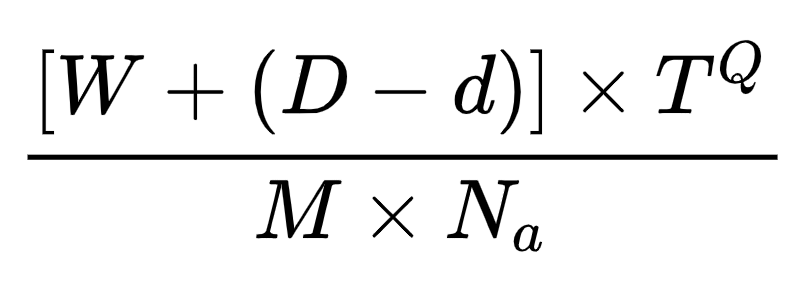 In this theory, W stands for weather, D for debt, d for monthly salary, T for the time since Christmas and Q for the time since the failure of your New Year's resolutions. M symbolises low motivational levels, and Na the feeling of a need to take action.
However, none of these units is defined, and the lack of any explanation for what exactly is meant by "weather" or "low motivational levels" means the formula cannot be verified, rendering it meaningless.
Additionally, not only did Arnall come up with the formula, but he also had a ready-made solution to fight the blues: the very best thing to combat Blue Monday, he said, was to book a holiday – a solution that Sky Travel was all too happy to advertise.
But scientific or not, Blue Monday became a real marketing stunt. After the travel company, many other companies started using the concept to market their products – from alcohol and clothes to gym subscriptions.
How to beat the January blues
However, using depression as a means to promote services and/or encourage people to buy something has drawn quite some criticism from psychologists and mental health experts.
Arnall defended himself by saying that he "used" the media to start conversations about psychology, but that also does not always go down well with people in the profession.
Marketing stunt or not, plenty of people do not enjoy the winter months at all and may fall prey to sadness and loneliness.
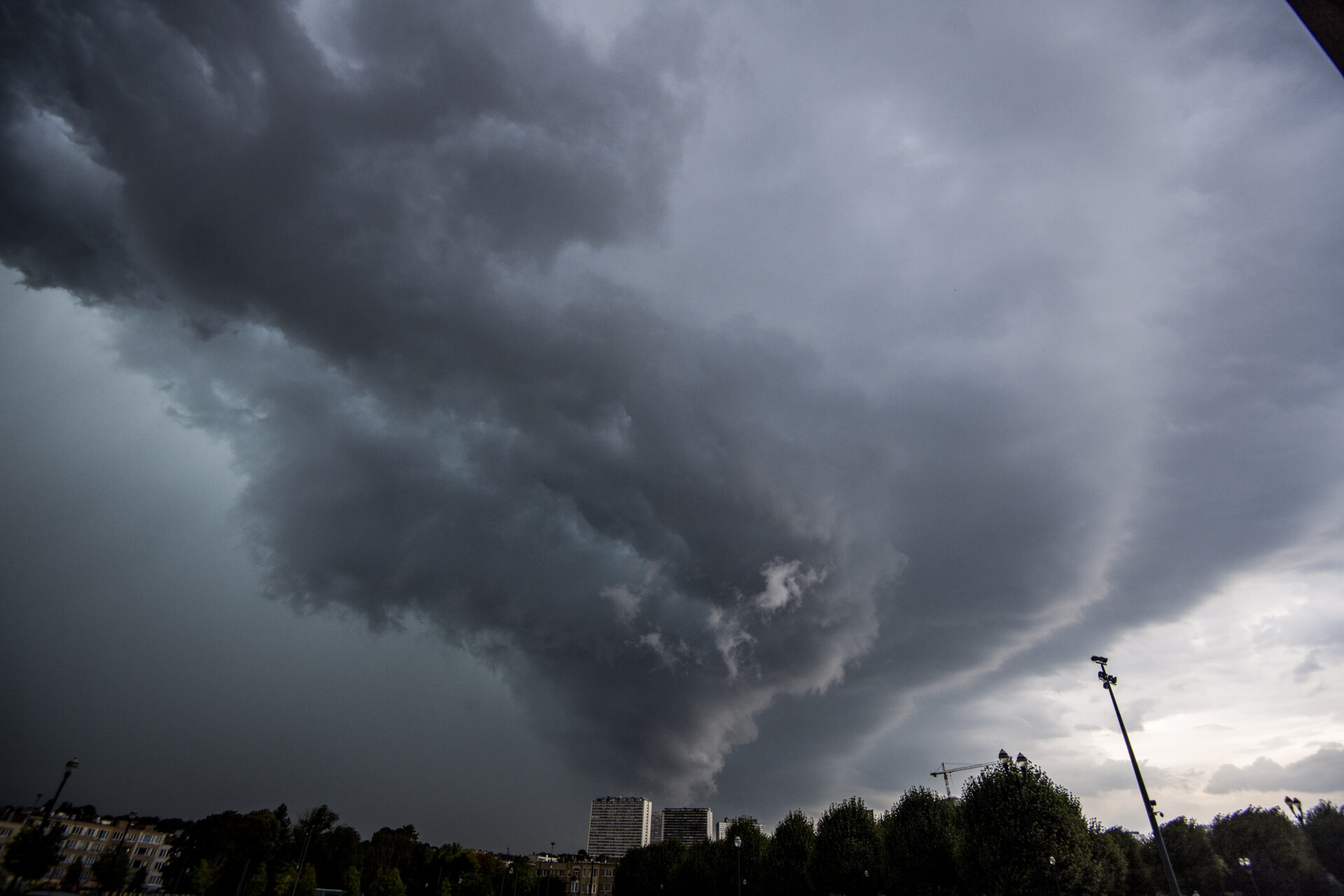
Shorter daylight hours can trigger fatigue, depression and a sense of hopelessness. Credit: Belga/ Jasper Jacobs
It is important to stay connected with friends and family and to participate in activities that bring you joy and fulfilment. Get outside and soak up as much natural light as possible. Eat healthily, get enough sleep and try to exercise or play sports regularly.
All of this can help boost your mood, now even more so than at other times of the year.
However, if the gloom continues to overwhelm you, do not hesitate to seek support. Talk about it with a family member, friend or confidant, or consider seeking help from a mental health professional. Remember that you are not alone and that help is available if you need it.
Those in need of a listening ear or with any questions about suicide can contact the Suicide Line anonymously on the toll-free number 1813 or at www.zelfmoord1813.be in Dutch, at 0800 32 123 in French, or at 02 648 40 14 in English.
