German crime writer Dominique Elsaesser has turned Brussels’ EU institutions, multilingual quirks and distinctly Belgian eccentricities into the setting for a new series of thrillers. Julian Hale meets the man behind the pseudonym.
Crime fiction is serious business in Germany. Known as Krimis, crime stories fill television schedules and bookshops, with the long-running Tatort series even offering different versions depending on the region.
Now Brussels has its own German Krimi writer. Dominique Elsaesser – a pseudonym – is a German national working in the EU institutions who has turned the European Quarter, Belgian culture and Brussels’ peculiarities into the backdrop for a trilogy of crime novels.
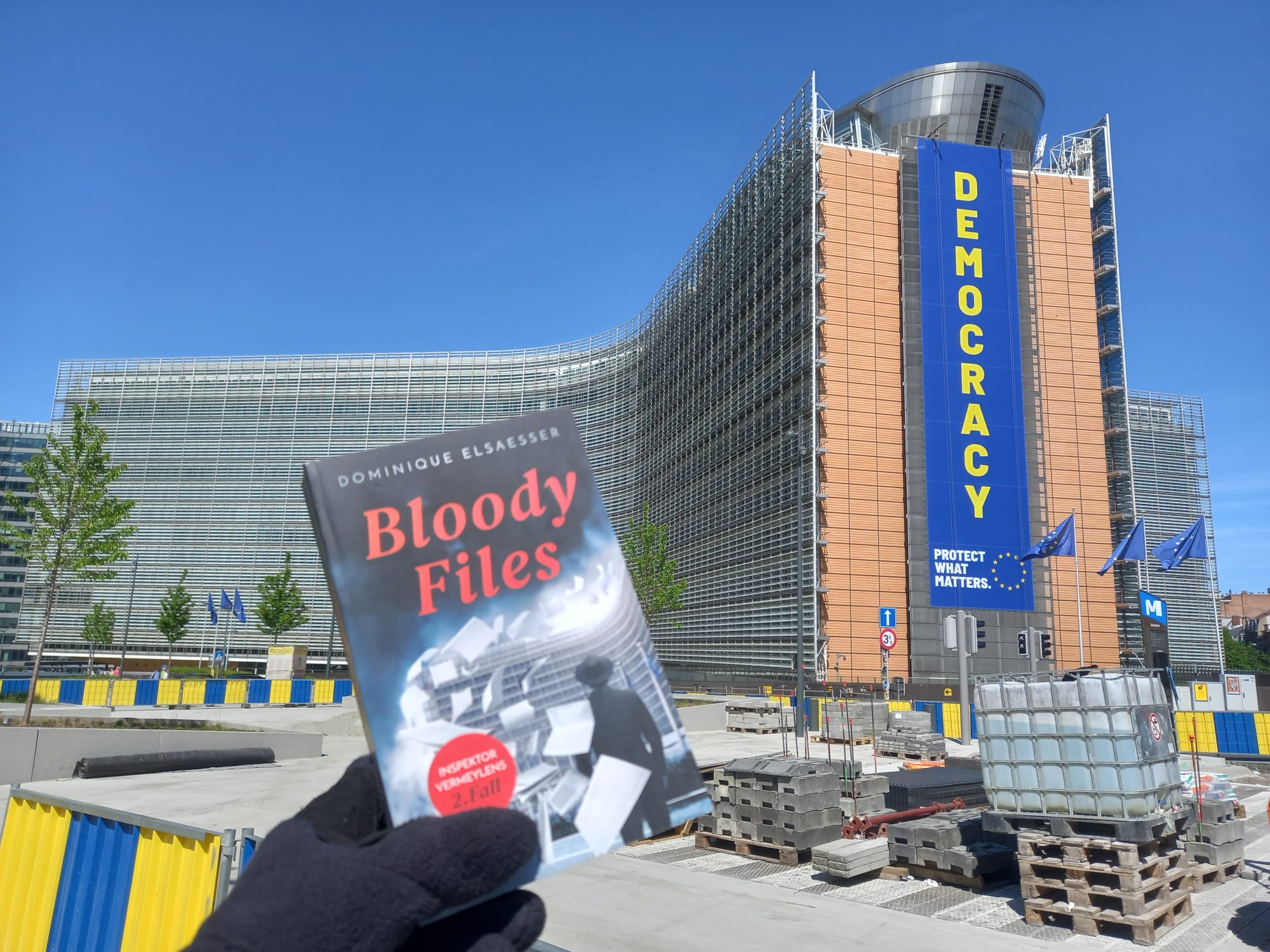
His debut, Spicy Files, was published in 2025 by Berlin publisher umland verlag in German, English, French and Dutch. The second, Bloody Files, has already appeared in German, with translations following, while a third instalment is under way.
Elsaesser’s inspiration comes partly from political thriller writers such as Tom Clancy and Robert Harris. He admires the “strong in-built plausibility of their stories,” rooted in detailed research into political mechanics and machinations.
His own knowledge of the EU’s inner workings suggested an obvious setting. But it also explains his decision to use a pseudonym.
“I guess what makes the flavour of the book is the mechanics and the inner workings, which I happen to know because I deal with them on an everyday basis,” he says. “But what I do is I fictionalise. Everything I do is my imagination, and that’s a creative process.”
Nor is he worried that stories involving corruption might cast the EU in a particularly unflattering light. “You have some villains who are in the institutions, but you also have heroes in the institutions,” he says. “A crime story is a good vehicle to stir up people’s interest. The most important thing is that people are interested in the EU, that they’re not indifferent.”
Scene of the crime
Another inspiration is Germany’s flourishing tradition of local crime novels, in which the setting can be almost as important as the plot. “You have hundreds and hundreds of local crime novels,” Elsaesser says, covering places from big cities to small holiday resorts.
Why not, then, Brussels? “No matter where you look, you find interesting stuff. You have the Belgian and Brussels aspects, the history, the EU bubble, the languages and the food. It’s just like a buffet. You just help yourself to it and mix it together,” he says.
Language is central to the experiment. Elsaesser was determined from the outset that Spicy Files should appear in four languages.
“That was non-negotiable for me. Brussels is multilingual. I can’t just publish it in German,” he says. Traditional publishers warned him that simultaneous publication in four languages was not how the business worked, but umland agreed to take the plunge.
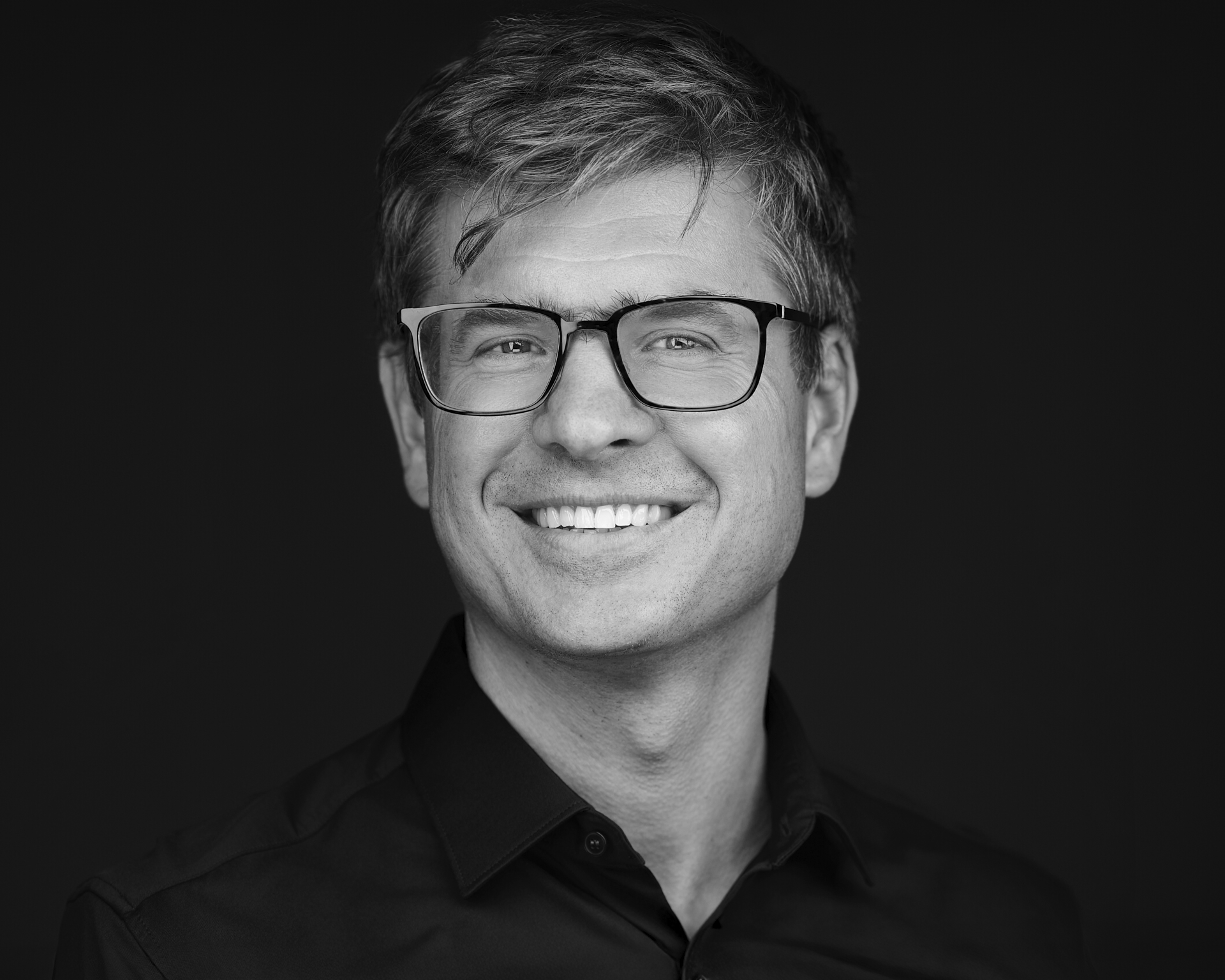
Dominique Elsaesser.
Brussels’ linguistic peculiarities provide plenty of material. Elsaesser is amused by EU-speak, the administrative English of the institutions, with its borrowed words and concepts detached from everyday usage. He cites officials going on a “mission” to London – a perfectly normal piece of EU jargon that can sound rather more dramatic to British ears.
Belgian expressions also pepper the novels: godverdomme, brol, allez, non peut-être – which, confusingly, means yes – and en stoemelings, roughly meaning on the quiet or under the radar.
The last is particularly appropriate for Inspector Marcel Vermeylen, Elsaesser’s rule-bending protagonist, a French-speaking Brussels detective with Flemish roots and a love-hate relationship with his home city.
Elsaesser sees that flexibility as characteristically Belgian: a willingness to find a compromise or an en stoemelings solution rather than insist that every rule be rigidly enforced.
Belgian comics are another influence. Elsaesser, an enthusiastic collector, calls Belgium “the world capital of comics” and enjoys their anarchic streak. His books contain references including the fictional Comte de Moulinsart, a nod to Captain Haddock’s château in Tintin.
Brussels confidential
Elsaesser’s fascination extends well beyond the EU bubble. He cites the 24-hour cycling race in the Bois de la Cambre, where teams camp in the woods and take turns riding through day and night. “Although people say the country is divided, I think sometimes you also feel a very strong sense of community.”
Brussels’ brocantes are another obsession. Flea markets, he says, are practically “a national sport” and offer a crash course in Belgian social history. “How people talk to each other and what they’ve taken out from their garage or cellars to sell is like a mini history lesson.”
History feeds directly into the fiction. Spicy Files opens with a reference to two Jewish painters abducted by the Gestapo in 1944 on Rue Archimède, just around the corner from today’s Berlaymont building.
Architecture provides another plot device. The murder victim in the first book is a tabloid journalist who blackmails people and instructs them to leave money in churches. Researching where an envelope could plausibly be hidden sent Elsaesser touring Brussels churches.
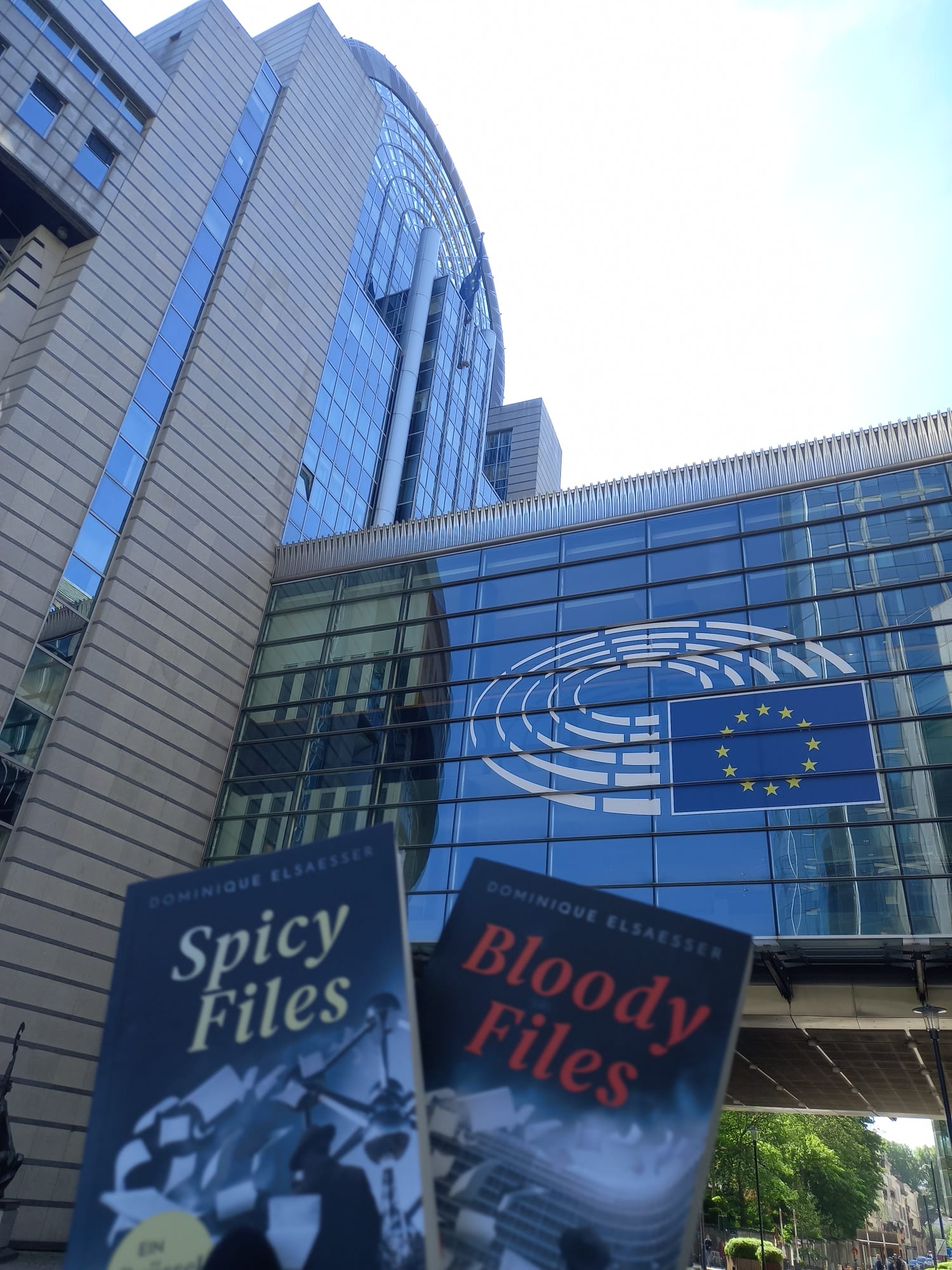
Credit: Dominique Elsaesser
One scene takes place in the Cathedral of St Michael and St Gudula, where money is hidden behind a statue of the 13th-century Flemish mystic Jan van Ruusbroec. As a monk discusses the mystic’s teachings on mindfulness and slowing down, the impatient Inspector Vermeylen is desperate to get on with his investigation.
Other Belgian fixtures make appearances. Vermeylen supports Anderlecht and loathes Union Saint-Gilloise. Jacques Brel provides part of the soundtrack to Spicy Files, while Stromae features in Bloody Files.
Each book even comes with a Brussels-speak dictionary, historical references, a musical soundtrack and suggestions for further reading.
It is an unusually comprehensive attempt to turn Brussels itself into a character – not merely the familiar city of grey EU offices and political intrigue, but the multilingual, anarchic and sometimes surreal Belgian capital surrounding them.
For Elsaesser, that inexhaustible mixture is precisely the point. In a city full of politicians, officials, diplomats, journalists and competing languages, he is unlikely to run short of suspects.
