
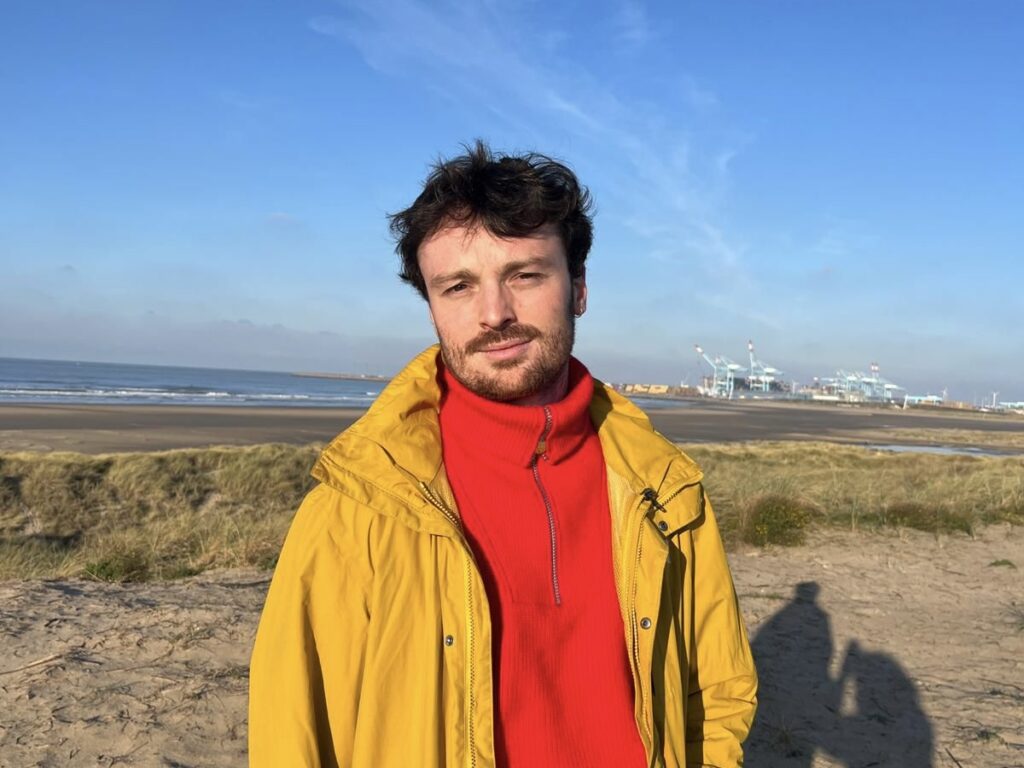
Shortly after midnight on a cold Saturday in central Brussels, VRT NWS journalist Mathieu Lonbois was walking alone to catch the night bus. The streets were still busy when, all of a sudden, he got assaulted by a group of homophobic men.
"It went really, really fast", Lonbois recalls in an interview with The Brussels Times. He and his friends went that night to a queer book fair event. Afterwards, they decided to have a drink at a bar near Place de La Bourse.
After the drink, Lonbois was walking alone to catch the night bus near Place Annessens. The area was rather busy. Suddenly, a group of young men cornered him, kept calling him sale pédé [dirty homo], spat on him, pushed him violently and snatched his necklace.
"I will never forget the look in the eyes of one of them. He also had a smirk on his face. It was pure hatred". Frightened, he managed to run away and kept frantically screaming for help as they kept harassing him. He fortunately ended up taking an Uber and went home.
"It wasn't until the next day that I realised what I'd escaped," he added. "This could have been much worse. I could have been beaten up – like Jamal. Physically, I'm okay, but mentally, it's really taking a toll on me."
Jamal was another victim of a brutal homophobic assault in the Beekant metro station in Brussels just a few days before Lonbois' incident.
A bigger problem
When the journalist shared his experience online, he expected people's sympathy – but not the avalanche of those with similar stories.
"I received a flood of testimonies," he said. "People who had been attacked, or who knew someone who had. Many said incidents are becoming more frequent and almost normalised."
His story joins a growing body of accounts that point to a pattern: gay bashing in Brussels is neither rare nor random, and young people are increasingly at the centre of it.
The other pattern is that these attacks happen in the surroundings of gay areas. Victims are preyed upon because of their vulnerable state after a night out.
According to Fien Pauwels, a researcher with the Youth Research Platform at the VUB, the data confirms the trend.
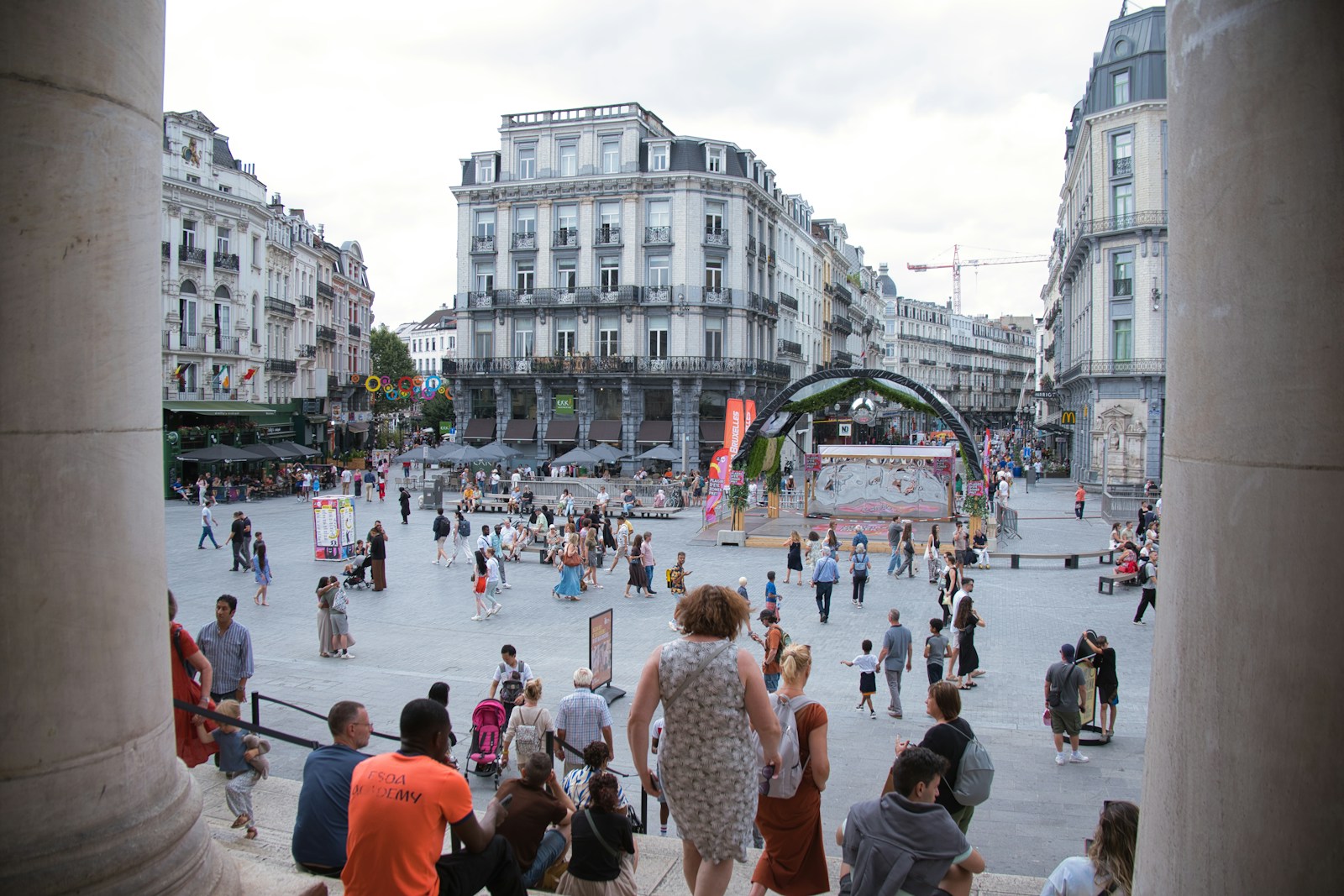
Crowds at Bourse. Credit: Unsplash / Jean-Luc Picard
"We see a significant increase in homophobia between 2018 and 2023," she explained. The average homophobia score among young people rose from 2.04 to 3.20 on a ten-point scale.
One of the most striking findings: the share of young respondents who said assaults against homosexuals could be acceptable jumped by 11 percentage points.
Visibility
Lonbois wondered what could have triggered the heinous assault. "I was wearing a pink jersey. It's really stupid, but then you start thinking: Should I have worn that jersey?" he added.
With more visibility, Lonbois thinks that opposition from groups who don't appreciate it is bound to happen, "Social media bubbles such as the 'manosphere' can amplify this, reinforcing machismo and negative attitudes towards homosexuality."
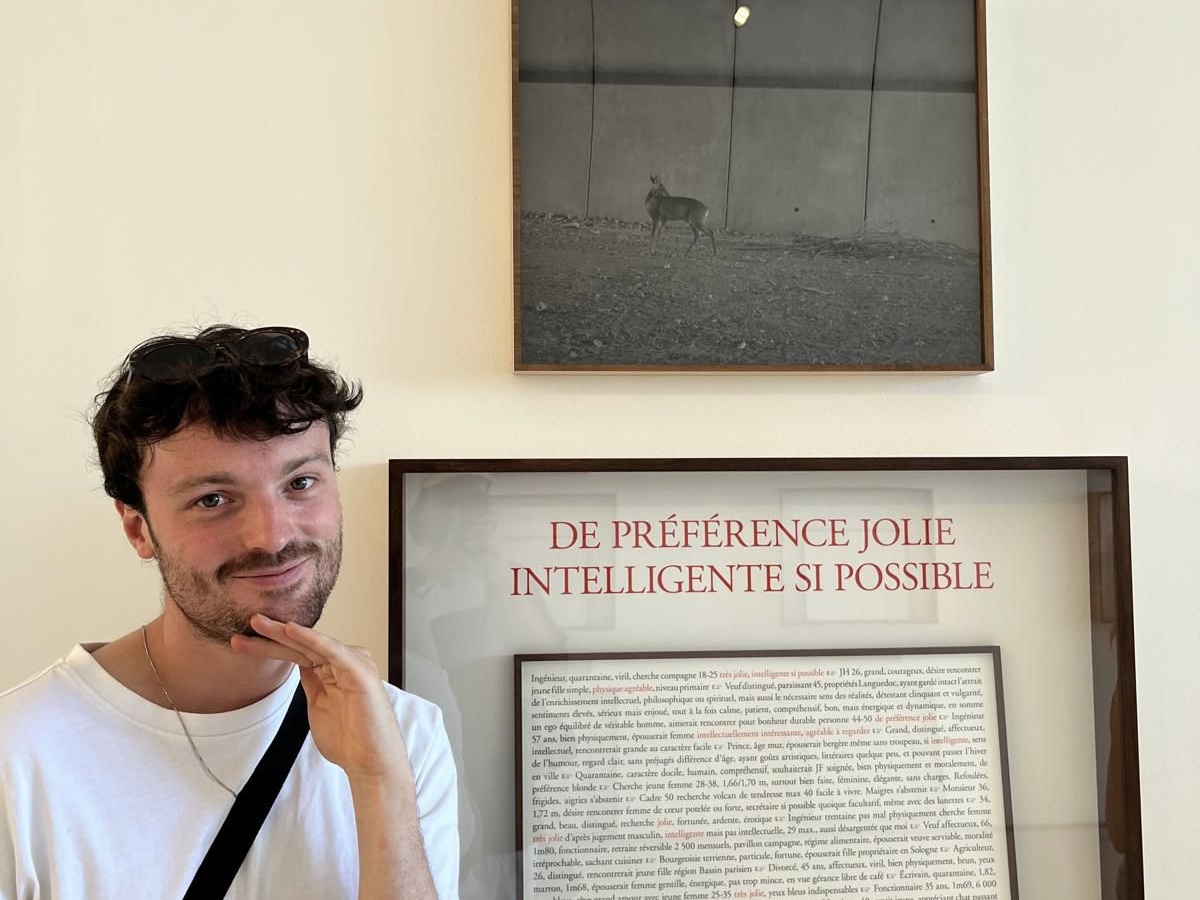
VRT NWS journalist Mathieu Lonbois
He is adamant, however, that people should not fall into stigmatising certain groups of society as the perpetrators of these attacks. It is noticeable that these perpetrators are often young men, illustrating a herd mentality at play.
Yet throughout the conversation, Lonbois keeps circling back to one point: he knows he is not the most vulnerable person in this story.
"I still feel unsafe when I walk the streets," he says. "But I can be straight-passing if I want to. What I am wearing now is pretty bland. I can hide."
Many others cannot. "There are people who cannot take off their identity like a jumper," he says. "People who are visibly queer, trans people, queer people of colour, women at night. They get punished for being visible. They are at much higher risk."
Police reporting
Only a handful of people who contacted Lonbois after his message on social media, he says, went to the police.
"I think only about five actually reported their incidents," he notes. "Which is kind of in line with the statistics that say around 14% of victims go to the police. And I get why. It is not always the most LGBTQIA+ friendly environment."
Indeed, he found this out the hard way.
Determined to do what many of his followers said they could not, he went to the police station behind the Grand Place, in the heart of Brussels’ gay district. "I thought, I will not be the first person here with a homophobic attack. They will know how to handle it."
He waited for around 45 minutes. Staff knew why he was there. No one checked on him. Finally, an announcement came over the intercom: there were too many people, they were no longer taking complaints, and anyone who stayed would have to wait two and a half hours.
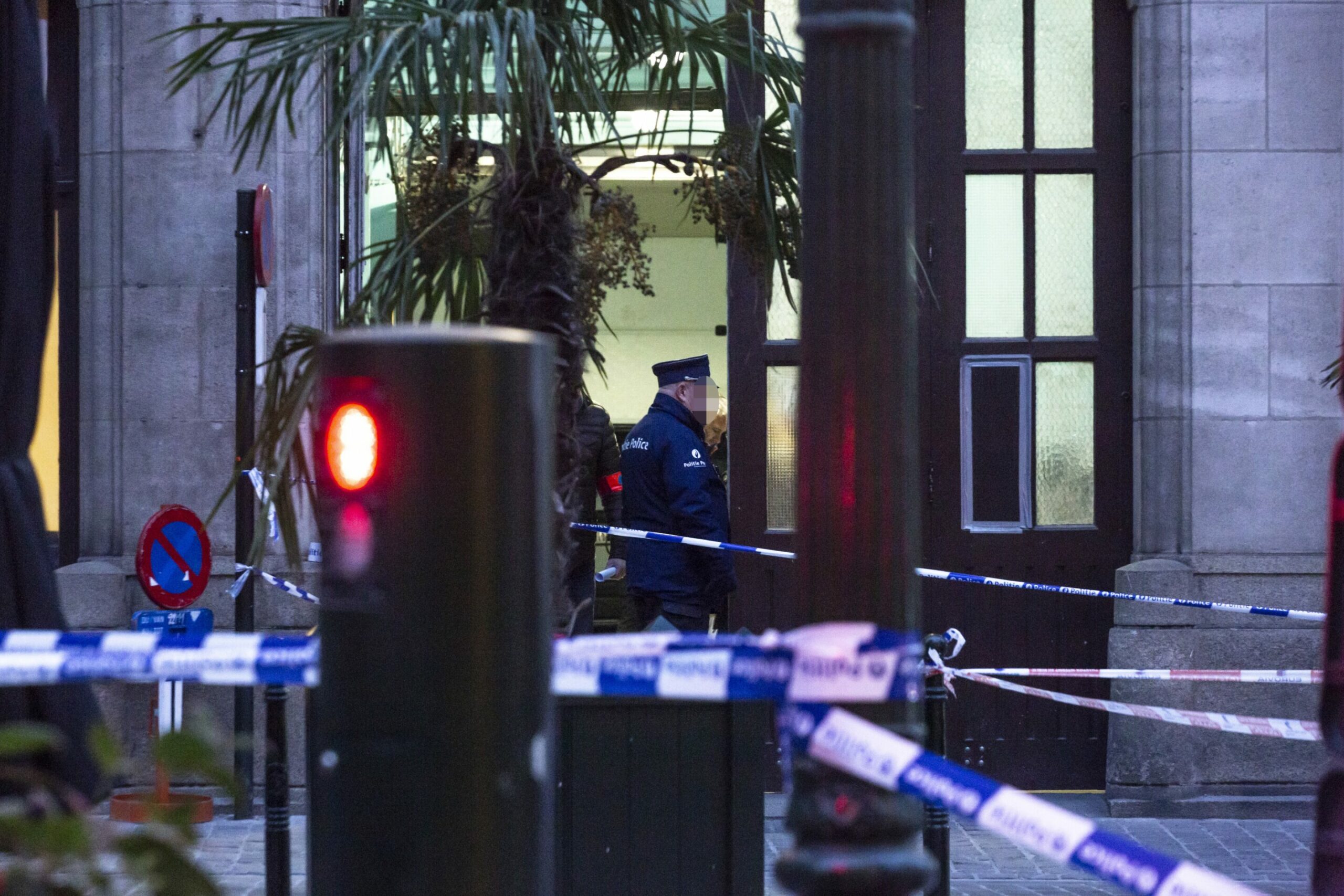
Investigators at the police station at the Rue du Charbon, near the Grand-Place in Brussels in 2018. Credit: Belga
He stayed, then went to the desk to ask for help. "I told the officer: I feel very vulnerable, I do not feel well because I have just been the victim of a homophobic attack, can you please help me? And she basically said: I already told you there is no time, you have to wait."
There was no empathy, no sense of urgency. "After such a day, that is what you need most," he says. "I get that they are busy. But please, do better."
The experience was so bruising that when he later posted about it, another wave of messages hit his inbox.
"I got more than ten stories from people saying the same thing: that the most traumatic part was not the attack itself, but going to the police station. One person told me their worst trauma was how they were treated when they reported it."
A few days later, he tried again. This time, he made an appointment online at another police station.
"The difference was huge," he says. "The officer still made some clumsy remarks; he asked if at a queer book fair we read different books, but he apologised for what happened, and asked the right questions.
"They told me: 'We are really glad you came. We need these complaints for the statistics. If we see a lot of stories from the same area, we can do more patrols. If people do not come, we cannot prove something is wrong.'"
For Lonbois, the contrast between the two police stations says a lot. "It is not just about one bad cop or one good cop," he says. "It is about whether the system is ready to take LGBTQIA+ victims seriously."
