
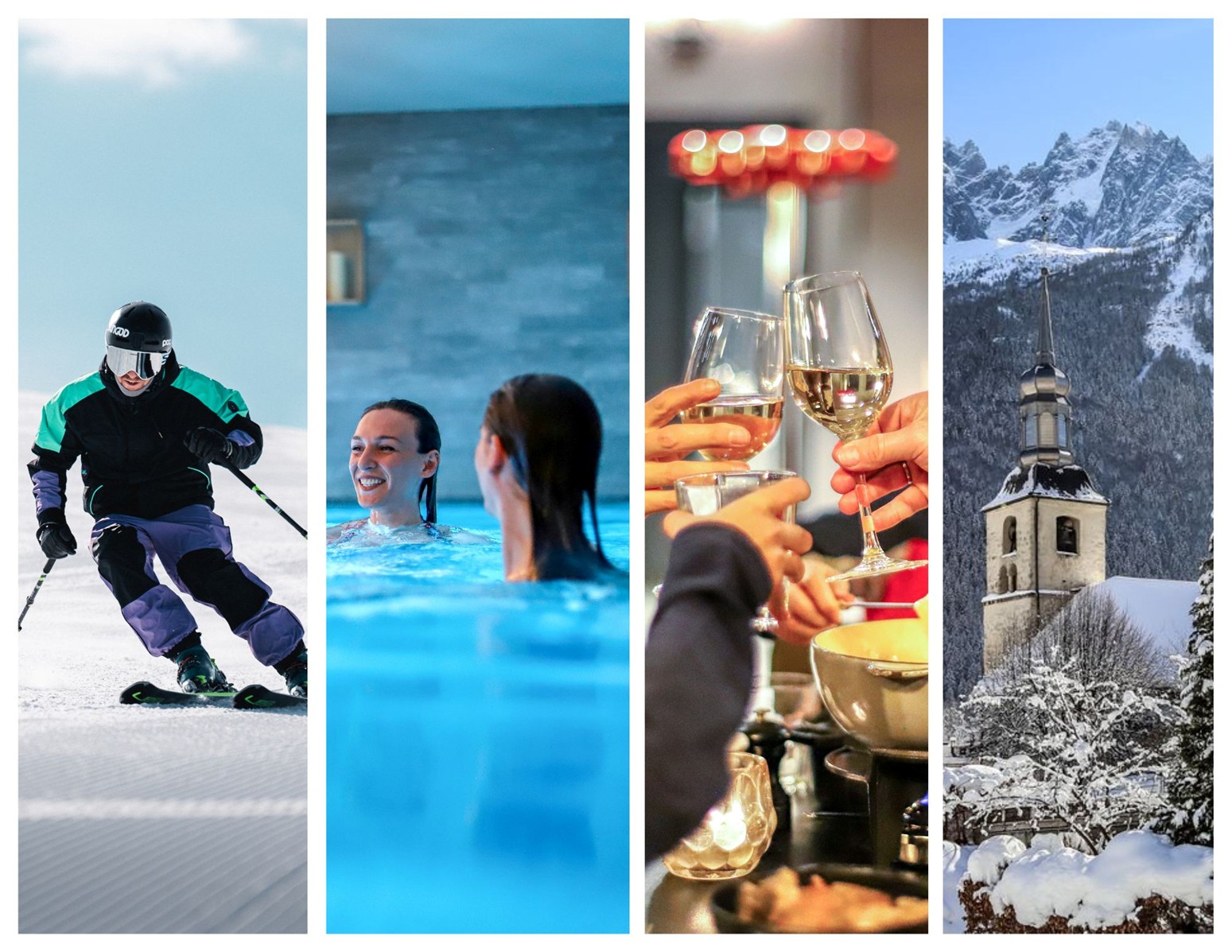
On the eastern edge of France, an alpine playground exists that comprises a range of resorts and villages, varying in nature from specially developed skiing resorts to traditional alpine villages. Whatever kind of winter sport one prefers, one can find it there, along with historical monuments, delicious cuisine, and unique architectural styles that are inspired by the Haute-Savoie region.
For travellers leaving Brussels behind, the drive into the Alps is remarkably easy. A brief plane ride to Geneva, followed by an hour-long drive, and you’re in the valley of Mont-Blanc. The village of Chamonix appears in plain sight beneath the highest peak in Europe, and it soon becomes apparent that this mountain is more than a picturesque setting. In fact, it was on this mountain that, in 1786, Jacques Balmat and Michel-Gabriel Paccard made the first ascent, marking the birth of alpinism. This tradition of exploration continues to characterise the valley from its glaciers to its peak.
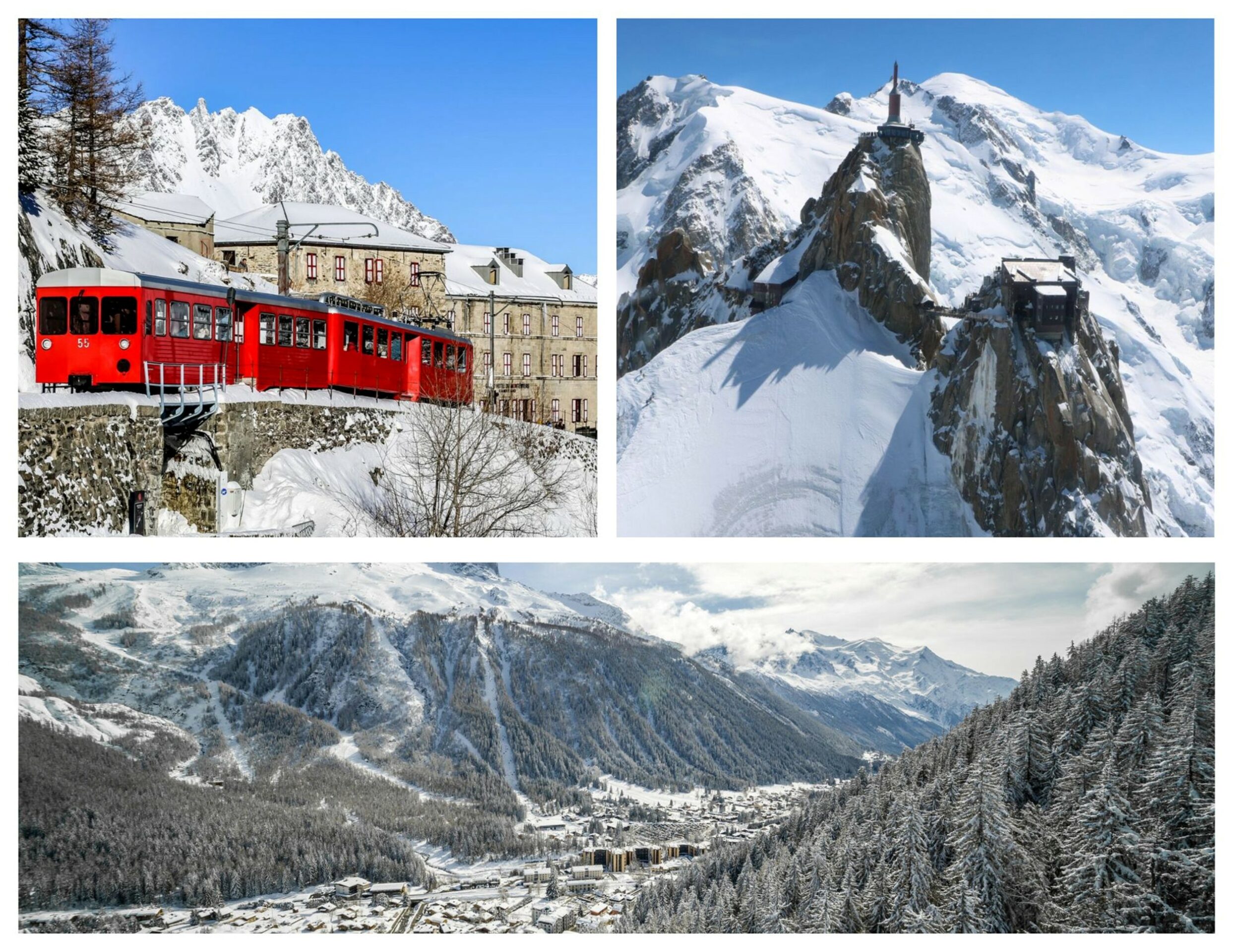
One of the best ways to experience all of this heritage is to go directly into it. Since 1909, the Montenvers Railway has been climbing to 1,913m, forming a balcony with views of the Mer de Glace, France’s largest glacier. Behind the balconies, the peaks of the Mont Blanc range stand above the ice and rocks. For the more adventurous, cable cars carry passengers on towards the Aiguille du Midi at 3,842m, where the size of the glacier and mountain range is impossible to ignore.
At the end of this train line is one of the most famous mountain addresses in the valley. The Montenvers Hotel was founded in 1880 and soon became a meeting point for explorers and writers who were drawn to the glaciers. Even now, the hotel retains room names such as Victor Hugo, Napoleon III, and Charles Dickens, who visited this hotel well before any lift existed in the area. Today, it is possible to stop for lunch or coffee at the hotel and enjoy views of Mer de Glace below and mountains rising above.
Credit: © Chamonix-Mont-Blanc / The Brussels Times
From the high peaks, the story naturally finds its way back down to the slopes. In the valley on the Brévent side of the valley, the black run of Charles Bozon slopes straight down to the village with the peak always in full view. In other valleys, from Argentière to Les Houches and Vallorcine, the train and shuttle system ensures that the slopes of the forests and the open slopes are easily accessible. The interplay of movement and mountain has been the defining feature of the history of the Chamonix valley since the Winter Olympic Games of 1924 and the installation of the first cable car in France.
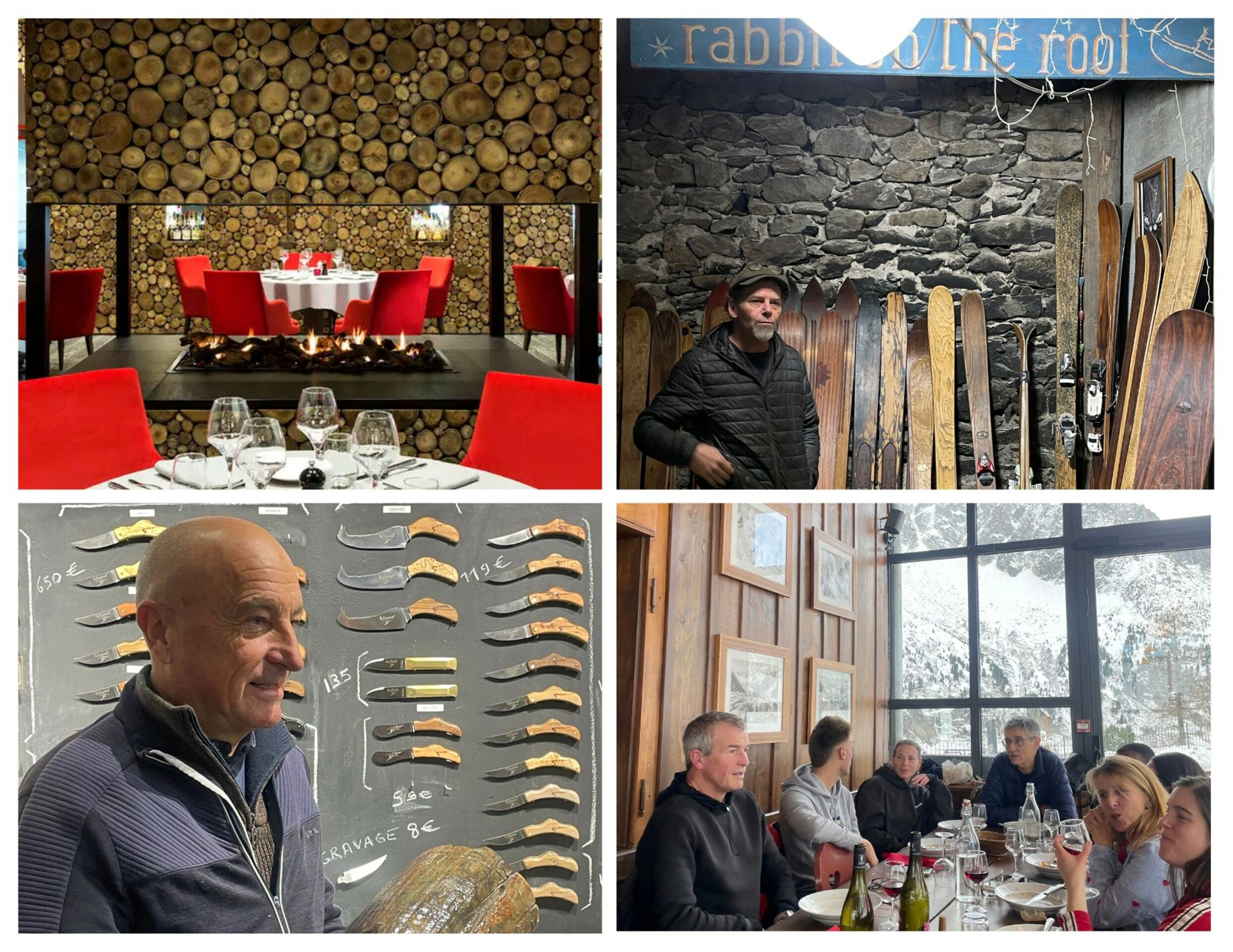
But it is in the valley itself that the mountain culture nurtured in Chamonix finds a continuation in its producers, its food, and its rest spots. In these, local know-how has been in abundance, as it was in the creation of Peter Stelzner’s handmade wooden skis at Rabbit On The Roof or Didier Simond’s handmade knives crafted from reclaimed pine and wood smoothened by glacier ice. Continuing in the same spirit, Haute-Savoie’s "high-altitude flavours" can be enjoyed at Le Matafan. Under a glass roof facing the Mont-Blanc massif, the cuisine brings together Alpine flavours with a hint of Mediterranean lightness, in dishes designed for sharing and lingering. Ready to unwind from the busy pace of mountain and ice exploration, there’s Hôtel Heliopic in spa and wellness addresses.
Credit: © The Brussels Times
Between concrete, snow and Breuer
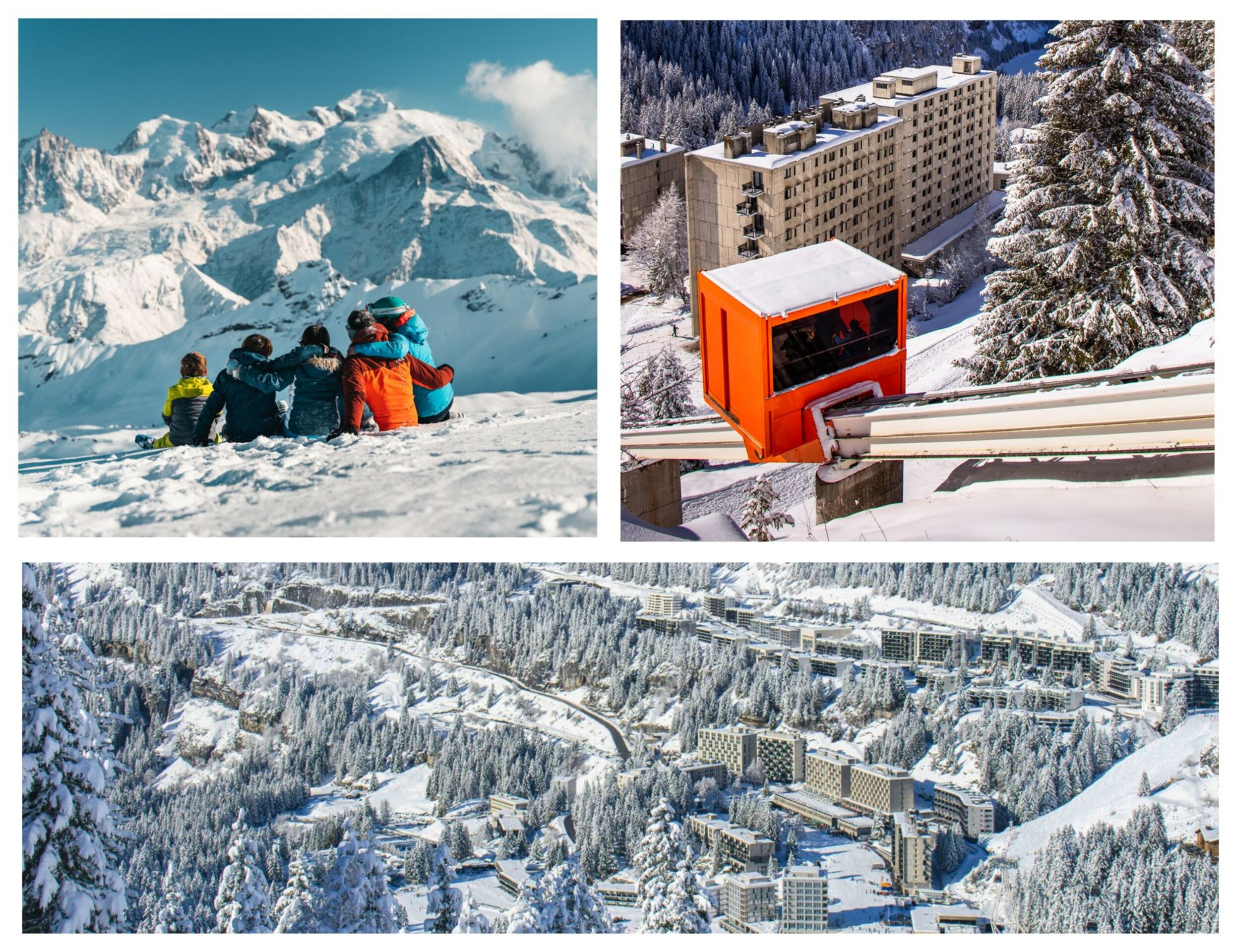
Other must-visit spots in Haute-Savoie are the unmistakable resort of Flaine. In its enormous natural bowl, perched high above the Arve Valley, it’s as different culturally as it is physically from the traditional alpine villages that dot its countryside. When it was built in the 1960s, its founders commissioned one of the greatest modernist architects to design a different ski resort. This was Marcel Breuer, who came up with a radical vision: a car-free, ski-in, ski-out resort in which buildings would blend into its curves and movement was by foot or on skis. “Raw concrete is raised directly out of the snow, not to impose itself on nature but to reflect it,” as Breuer described it. Even today, it looks and feels like science fiction.
As was the plan of Breuer and the developer Éric Boissonnas, Flaine was meant to be a resort that would integrate itself with the surrounding mountains instead of resting upon them. The resort is laid out in a manner where the levels are not in sight of each other. Pedestrians' routes, skiing routes, and car routes are all different, with circulation via tunnels and funiculars rather than roads. However, in a display of the sculptural nature of architecture that Breuer was so fond of, even the façades of the buildings are sculptural in nature. The signs, the lighting, and the names of the buildings are all done in a manner that is inspired by the principles of the Bauhaus school.
This clarity is reflected in the skiing. The resort is strategically located in the heart of Grand Massif, which is the fourth largest ski network in France. This ski network offers a skiing distance of 265 kilometers, from 700 to 2,500 meters, and is served by 62 ski lifts. Lift lines for four primary slopes leave directly from the centre of the resort, and this enables a person to be on the slopes within minutes. Novices and their parents utilise a complimentary lift and learning zones within the centre of the resort, while more experienced individuals make their way to the high ground above the treeline.
Credit: © Flaine
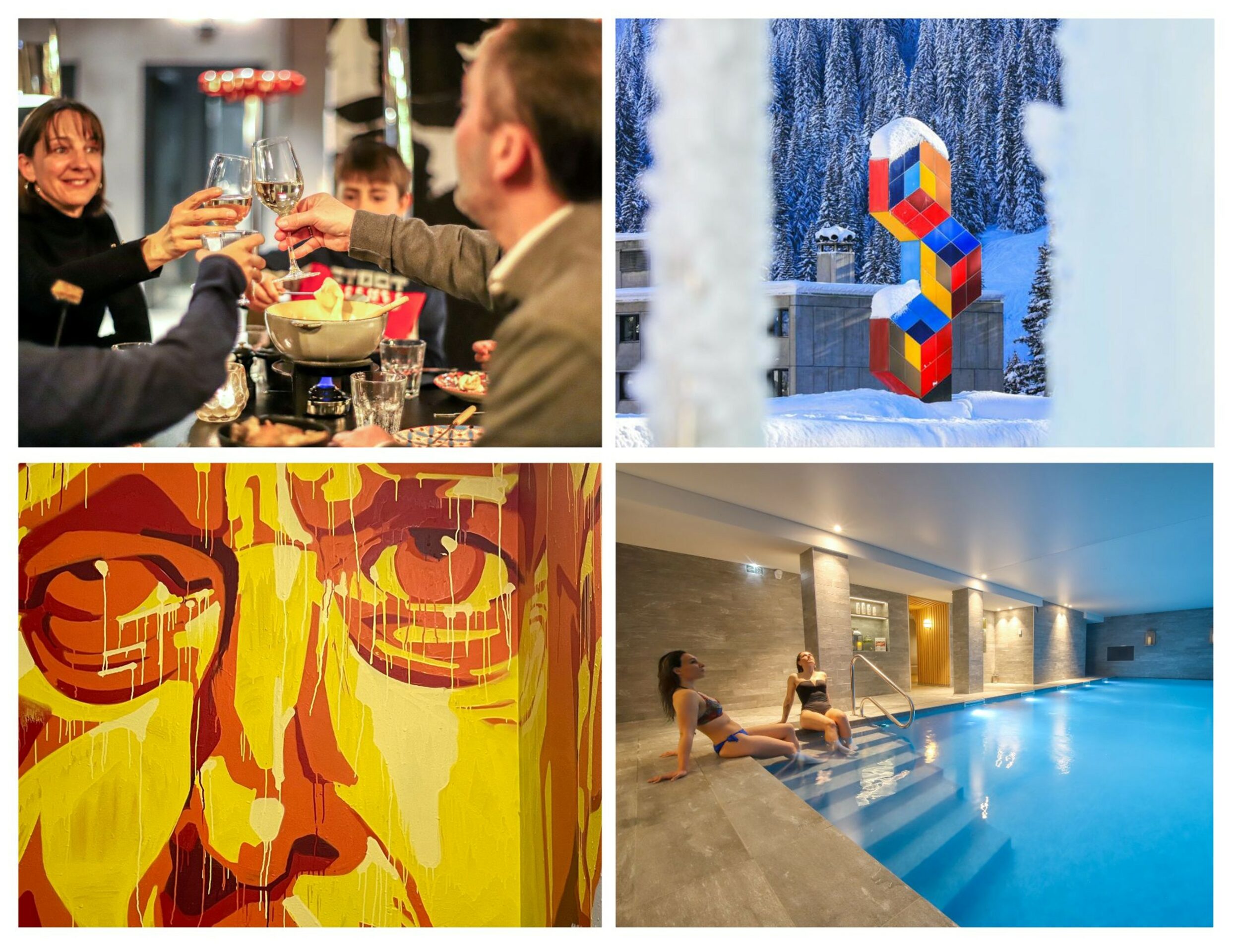
Flaine, however, was always meant to be more than just a destination for skiing. Art and architecture were always part of its equation. Today, the destination qualifies as a 20th-century heritage site and open-air museum, with no parallel elsewhere in the world. Artworks by Dubuffet, Picasso, and Victor Vasarely sit directly amidst the snow as well as the buildings and slopes, whereas discreet works by other artists like Vera Molnar, Pol Bury, and Davos Hanich are installed on façades, in entrance halls, and even on the slopes. The Flaine Art Centre, established in 1970, continues with its programs of exhibitions and workshops, and culture is as much in evidence as the mountains.
Staying in Flaine means stepping into a mountain world designed to flow. A day moves naturally from skiing to lunch on the slopes, from afternoon runs to moments spent exploring the resort’s architecture and outdoor artworks. As evening falls, the same modernist buildings become places to relax, with time for a swim, an aperitif and dinner in one of the resort’s restaurants. Whether at RockyPop Flaine Hotel & Spa or elsewhere, Flaine shows how bold design and mountain life can coexist with surprising ease.
Credit: © Flaine / The Brussels Times
Far from single geometric lines
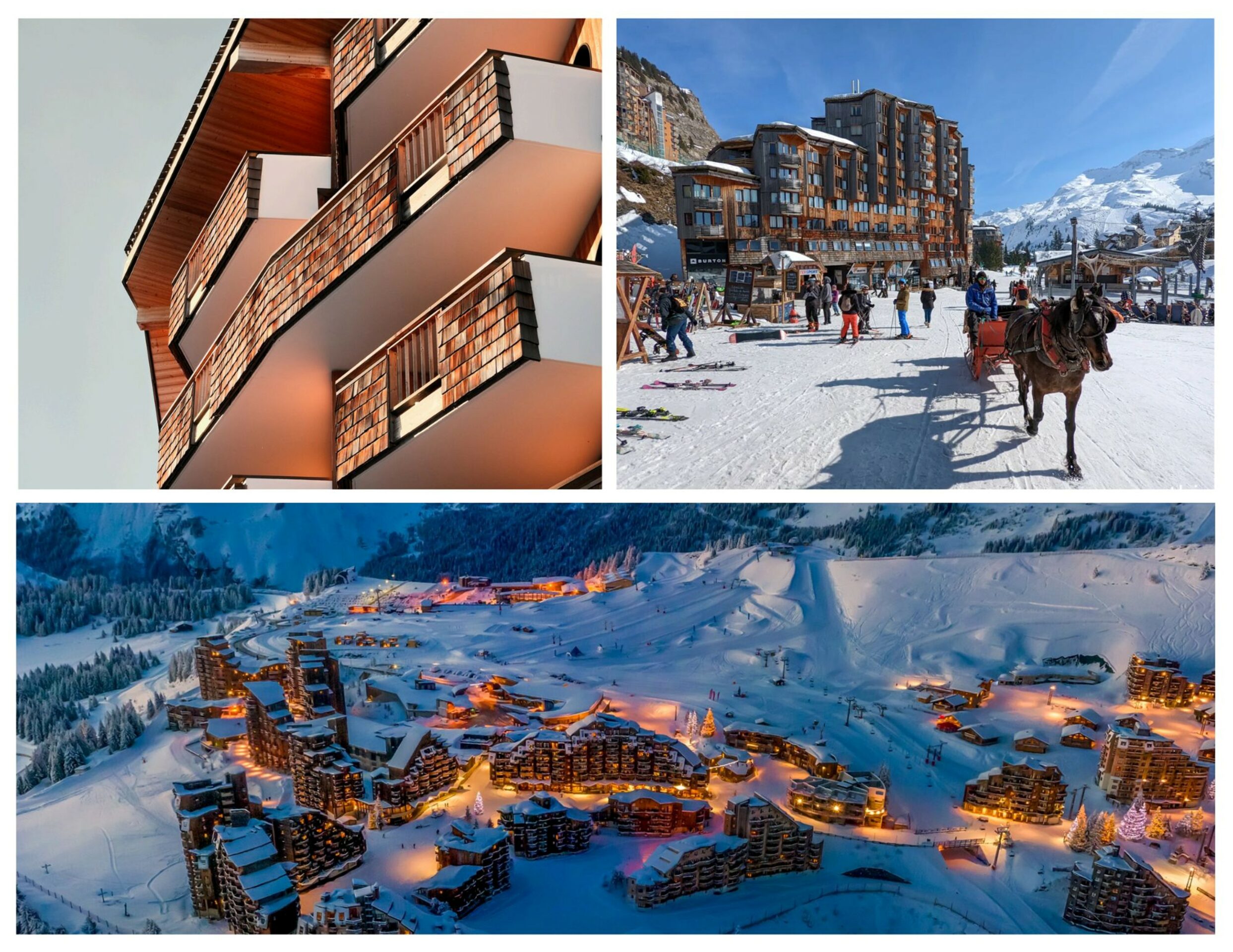
While Flaine's architecture is governed by strict geometrical lines, in Avoriaz the rhythm is softer and more natural. Situated 1,800 metres above Morzine, this car-free resort is a place where snowy roads, horse-drawn carriages, and the feeling of retiring from the world all have a place. Since its foundation in 1966, the resort of Avoriaz has been one of the leading mountain resorts in the Haute-Savoie region. And its reputation is not limited merely to its ski facilities but includes its convivial ambience too.
One of the founding buildings of Avoriaz, and still one of its strongest symbols, is the Hôtel des Dromonts, a truly original structure designed by architect Jacques Labro, who came up with the pinecone shape that bursts out of the hillside, seemingly a natural part of the landscape itself. The hotel’s façade opens in a fan shape towards the mountain range, ensuring that the rooms and communal areas offer dramatic vistas of the valley below. Where once there was a stiff, formal architecture that followed a geometric grid, in the residential architecture of Avoriaz, fluid lines and shapes take the place of formal structure, reflecting the way that the mountainside undulates in itself. The restoration, with attention to the original architecture, has brought new life to this living piece of Avoriaz’s history.
Instead, it is movement that brings life to this community. There are snowy routes in this village instead of roads, where skiers gliding away from slopes are headed for hotels, cafes, or stores. Horse-drawn sleighs offer an alternative to cars in this winter wonderland. Everything is laid out in an attempt to incorporate skiing in whatever activities are being done.
Credit: © Tierry Lacour / Avoriaz
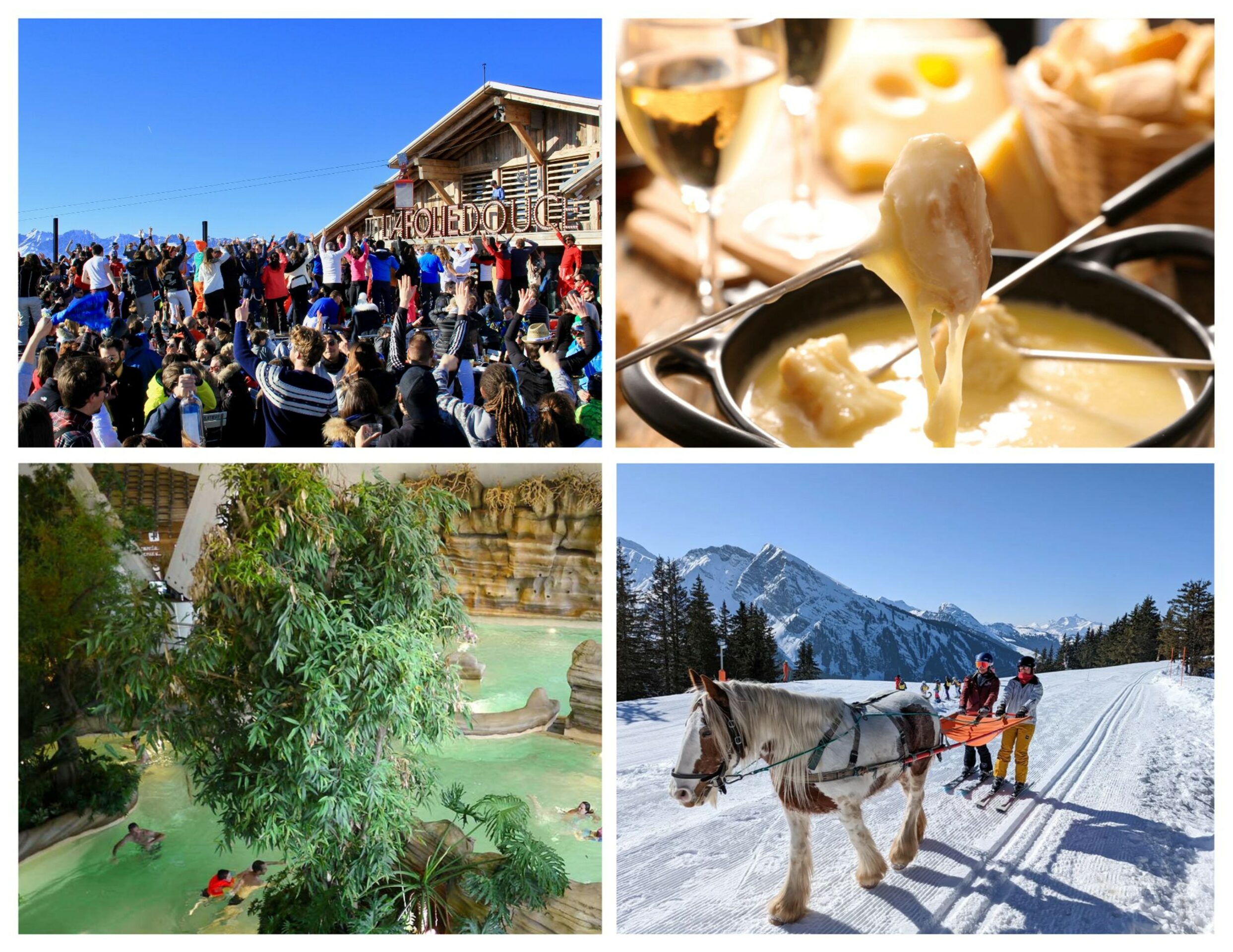
On the slopes, Avoriaz offers access to the massive Portes du Soleil resort area. From there, you can access the Swiss frontier, peer down into the infamous Swiss Wall, one of the steepest marked slopes in the world, or ride the iconic World Cup run, Jean Vuarnet. But it's the freestyle areas, including Lil’Stash, that add the element of fun, and large, high-altitude slopes that give you room to stretch out and ski quickly and with conviction. And when the lifts finally go down, there's one obvious destination for many skiers, and that's La Folie Douce, where a party starts that's one of the best and most celebrated aprés-ski parties in the French Alps.
However, Avoriaz has much more to offer than just its lively après-ski and long ski days. With its restaurants and bars lining the snow-covered streets, and its tropical water park, Aquariaz, the resort provides a completely different kind of getaway. Inside, with its warm pools, meandering river, kids' playgrounds, and spa jacuzzis with views of the towering peaks through a glass roof, it is easy to feel like you’re in no particular world in particular when, in reality, you might be in the midst of a snowstorm. Regardless of whether one chooses to dance the night away or float in warm water, the ski resort combines fun, cosiness, and nature in what appears to be an easy and effortless manner.
Credit: © Tierry Lacour / Avoriaz
As impressive and amazing as all these destinations are, they are only part of the story. Haute-Savoie is a place that has a rich tradition of mountain village culture and a passion for mountain living. Whether you’re travelling with family or friends or simply with a personal agenda, Haute-Savoie has plenty to offer in terms of changing your destination every day, depending on your mood. The region is always full of action and sports throughout the winter, with international sports like the Biathlon World Cup held at Le Grand-Bornand, to name a few. Are you still looking for a place to head to for your winter holidays? Then Haute-Savoie not only offers you the white winters but also an experience of mountains on your own terms.
