
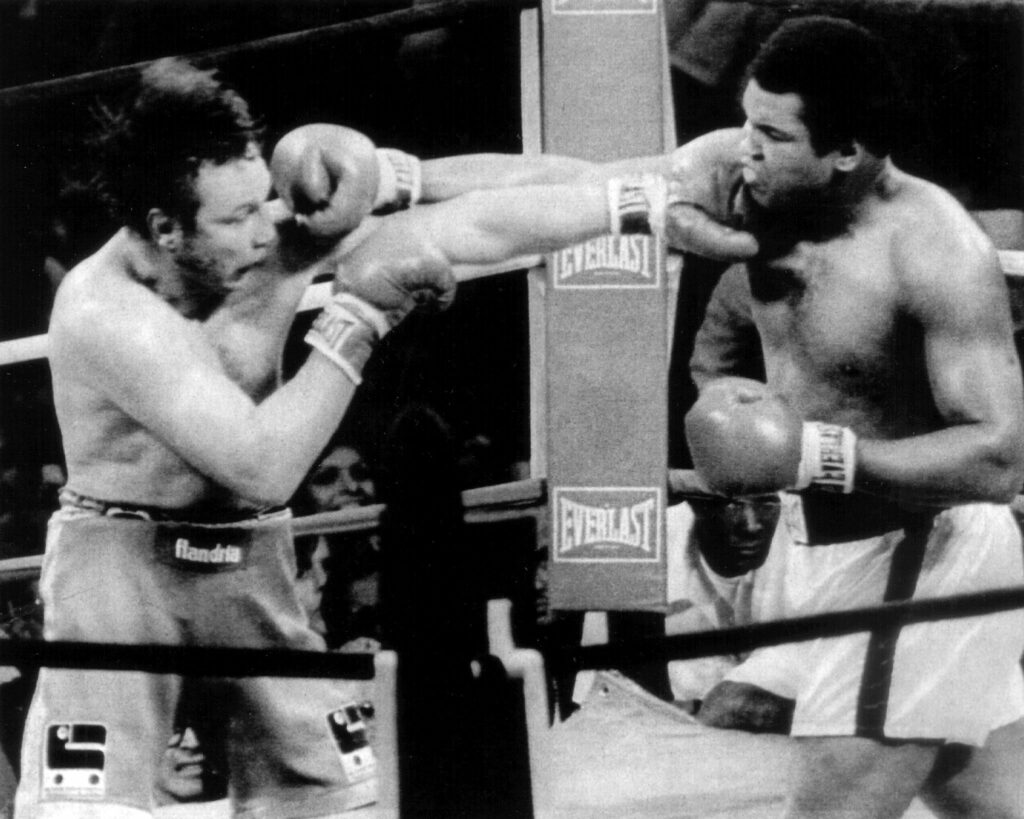
Wednesday, 3 June, marks the 10th anniversary of the death of Muhammad Ali. The former heavyweight world champion died in 2016 at the age of 74 following complications linked to Parkinson's disease, leaving an indelible mark on both sporting history and global popular culture.
Born Cassius Clay in 1942 in Louisville, he first came to public attention after winning Olympic gold in Rome in 1960. Renamed Muhammad Ali following his conversion to Islam, "The Greatest" built an extraordinary record of 56 victories, including 37 knockouts, against just five defeats, and took part in some of boxing's most legendary contests.
Fans particularly remember his epic battles against Joe Frazier and the famous "Rumble in the Jungle" against George Foreman in Kinshasa in 1974. In Belgium, Ali is also remembered for his 1976 bout in Puerto Rico against Jean-Pierre Coopman, the "Lion of Flanders", who was knocked out in the fifth round.
Ali's legend, however, was forged far beyond the boxing ring. In 1967, his refusal to be drafted to fight in the Vietnam War cost him his world title and led to a three-year ban from boxing. That pacifist stance, inseparable from his fight against racism, elevated him to the status of a civil rights icon.
Ten years after his death, his legacy remains ever-present. In January 2026, the United States Postal Service issued a commemorative stamp in his honour. His humanitarian legacy is also celebrated annually through a philanthropic award bearing his name, while his grandson, Nico Ali Walsh, continues to showcase the famous footwork that made his grandfather a sporting legend.
