
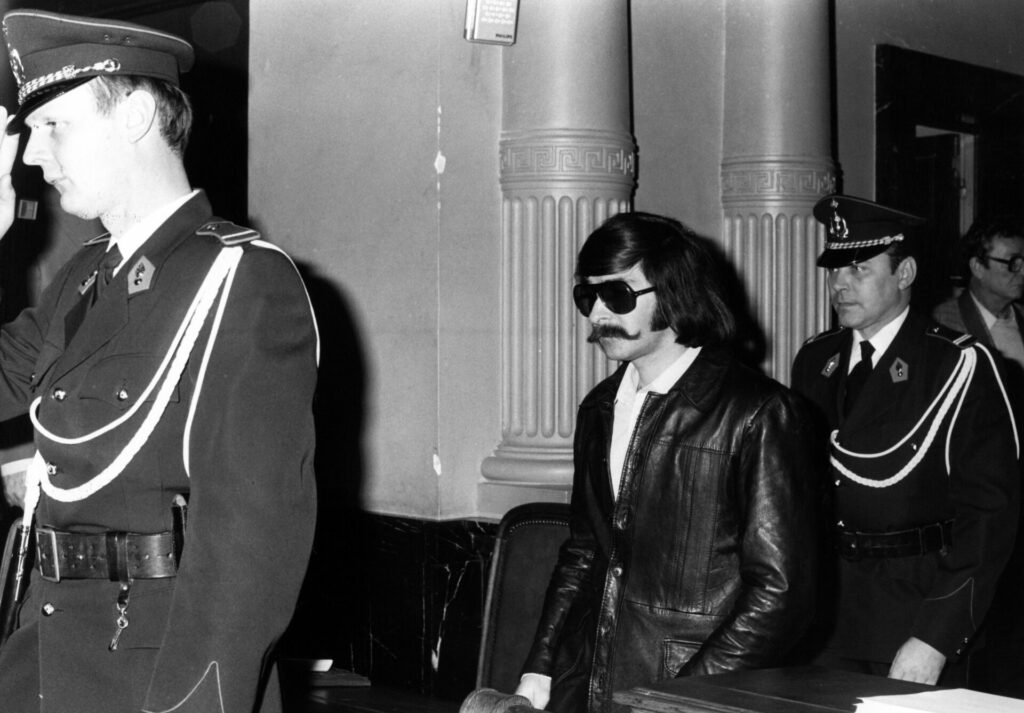
Belgian prosecutors described serial killer Freddy Horion as a "ticking time bomb" who poses a "very high risk of reoffending" in advice submitted to the Ghent Sentence Enforcement Court before his recent release under electronic monitoring.
Horion is one of Belgium's most notorious murderers. On 23 June 1979, he and accomplice Roland Feneulle carried out a massacre in the Ghent suburb of Sint-Amandsberg, killing five members of the Steyaert family during a robbery.
The victims included the parents, their two daughters and the grandmother. The brutality of the killings shocked Belgium and remains one of the country's most notorious criminal cases.
Horion was also convicted of murdering a Polish shopkeeper earlier that same year. In 1980, the Ghent Assize Court sentenced him to death, a punishment that was automatically commuted to life imprisonment because Belgium no longer carried out executions.
After spending 47 years behind bars, Horion was released under electronic monitoring earlier this year.
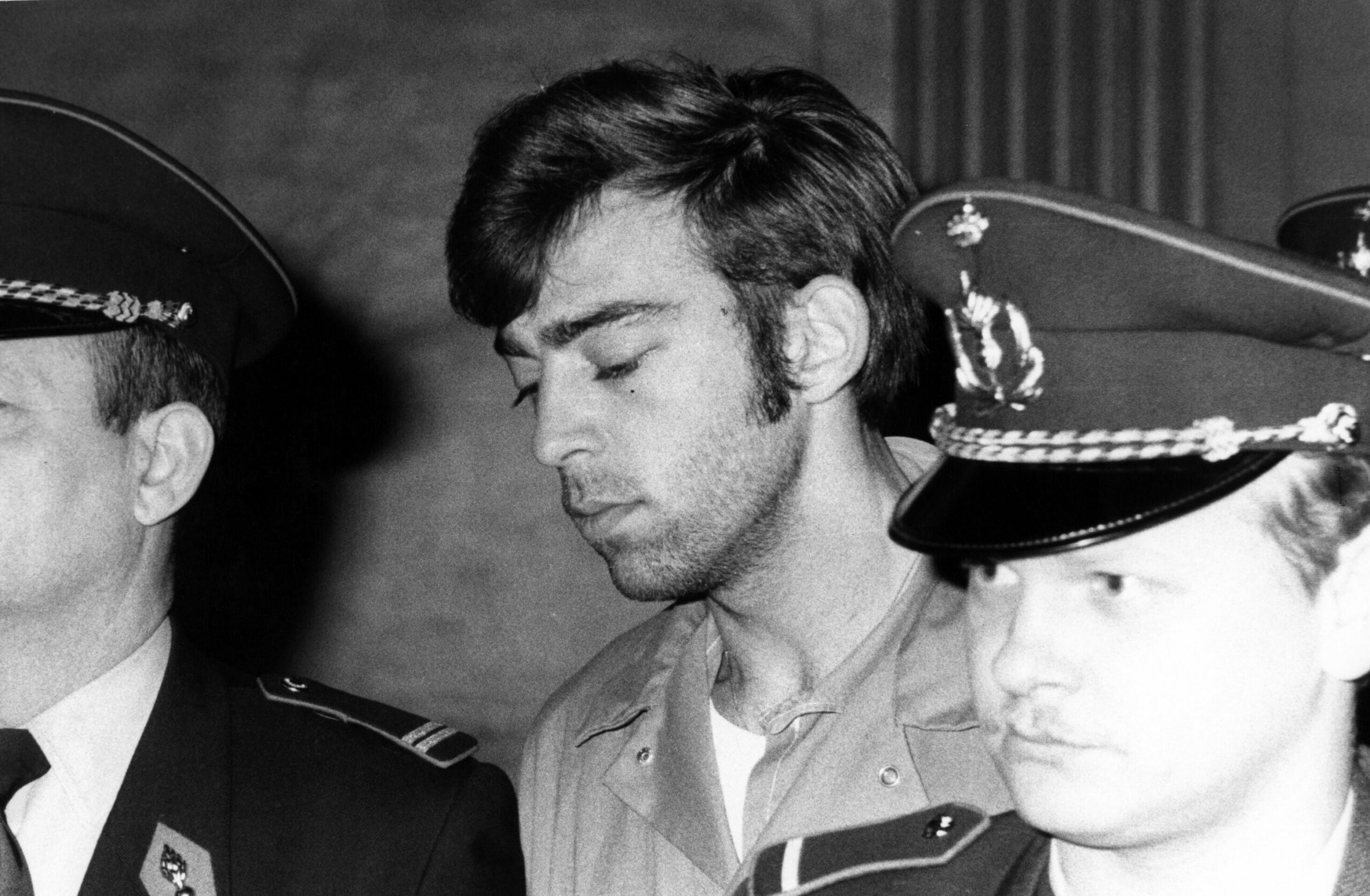
Roland Feneulle at the Ghent court following the murder of the Steyaert family. The killings, carried out with Freddy Horion in June 1979, remain among Belgium's most infamous crimes. June 1979, Ghent. Credit: Belga Archives
Warning
The warning document written by prosecutors and seen by Belga expressed strong opposition to plans to transfer Horion to a forensic care facility with a lower level of security.
"My office has serious reservations about transferring the individual, after only two or three months, to a forensic care centre, a low-security institution where the front door remains open during the day," the public prosecutor's office wrote in its negative assessment.
Despite the negative advice, the sentencing court chose not to follow the recommendation.
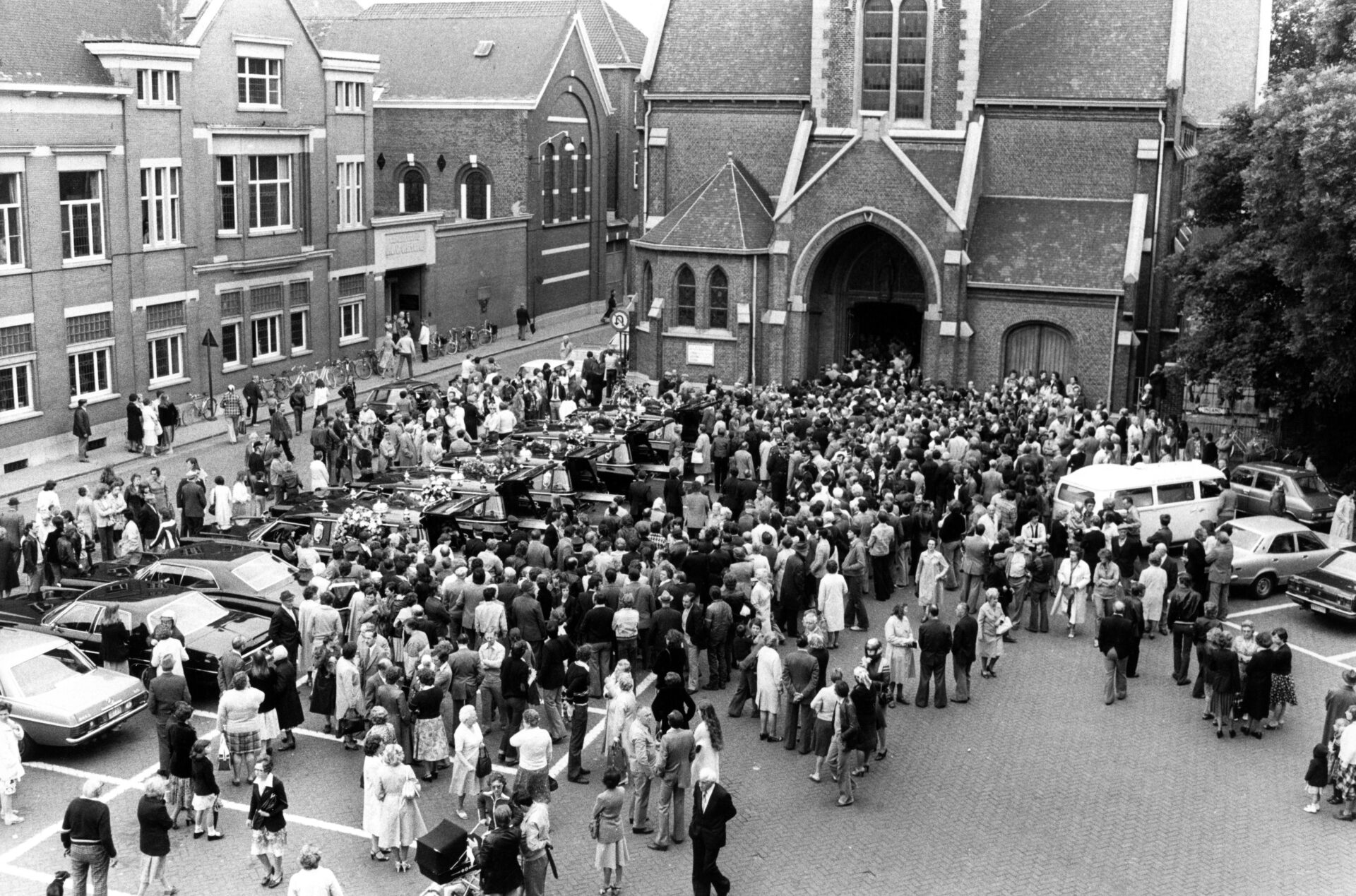
The funeral of the Steyaert family members who were killed by Horion. Credit: Belga Archives
