
On May 22, the European Parliament will vote on a proposal that could cripple the EU’s agricultural heartland: steep tariffs on fertilizer imports aimed at curbing Russian influence and depriving Russia of a revenue stream fueling its war machine.
Sold as a geopolitical masterstroke, this plan is shaping up to be a catastrophe for Europe’s farmers, particularly small and medium-sized farms already battered by volatile markets and climate shocks.
The proposed tariffs, championed by major fertilizer producers like Norway’s Yara International, Czech Agrofert and Poland’s Grupa Azoty, would raise duties on Russian and Belarusian imports from €40 per metric ton to as high as €430 within three years. Russia accounted for 25% of the EU’s fertilizer imports in 2024, worth over €2 billion, and analysts project the tariffs could drive prices up by up to 100%.
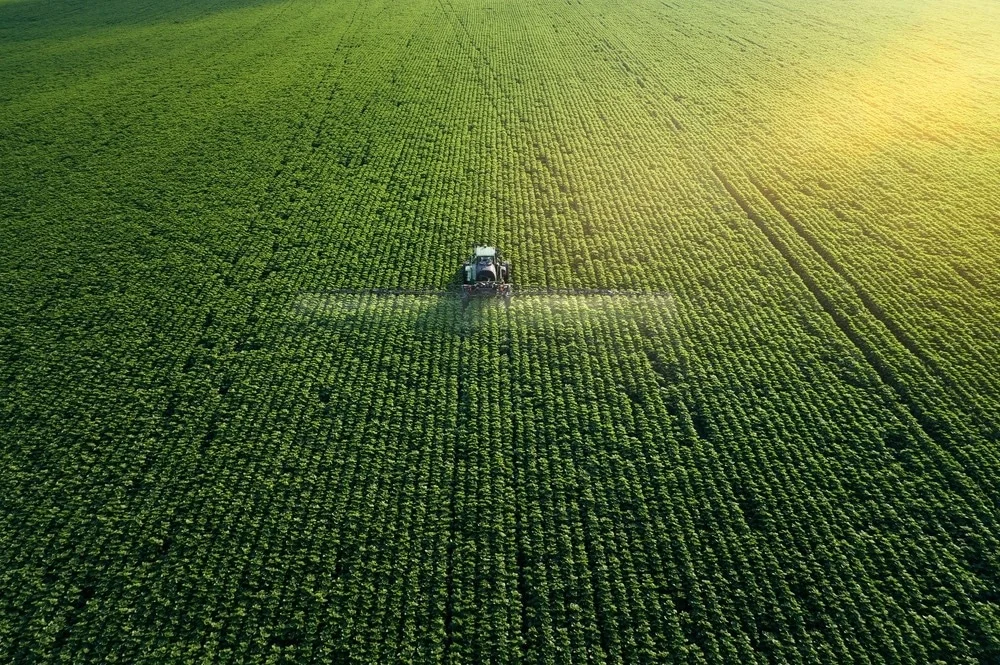
While generating windfall profits for European fertilizer producers, the tariffs could devastate hundreds of thousands of small and medium-sized farms, where fertilizers account for up to one-third of crop production costs, potentially driving many into bankruptcy.
Copa-Cogeca, the EU’s leading farmer group, warns of a domino effect: shuttered farms, millions of lost jobs, and higher grocery bills across the continent. Rabobank’s April 2025 report flags these tariffs as a key driver of looming price shocks.
This comes against the backdrop of the EU’s lowest grain harvest in at least a decade in 2024, according to European Commission data, with wheat, the region’s most important grain crop, slumping 10% to 111.7 million tons. Another warning sign: Eurostat data shows that European agriculture shed over 70,000 jobs in 2024, reducing total employment in the sector to less than 7.5 million. Over the past three years, the sector has lost nearly half a million jobs across the EU.
The timing for the new fertilizer tariffs couldn’t be worse. With the incoming Trump administration set to impose tariffs on European agricultural exports, farmers face a double blow: losing access to the US, our second-largest market worth over €20 billion, while grappling with sky-rocketing input costs.
This isn’t Brussels’ first self-inflicted wound. The 2022 Russian gas cutoff, meant to starve Putin’s war machine, barely dented Moscow’s finances but left European fertilizer producers stranded and consumers reeling from energy price spikes. German industry crumbled, yet the EU still imports Russian LNG at record levels.
Now, the EU is ignoring its own 2022 commitment to shield fertilizers from sanctions to protect food security. Most alarmingly, the European Commission admits it hasn’t conducted a detailed impact assessment for this tariff plan—a shocking oversight for a policy with such sweeping economic stakes.
Farmers are livid. MEPs like Ireland’s Barry Cowen and Maria Walsh, as well as farmer groups from France, Italy, and Spain accuse Brussels of sidelining agricultural powerhouses in favor of Latvia, a minor player contributing just 1.5% of the EU’s 2024 harvest. MEP Mireia Borrás Pabón branded the process “a disgrace,” arguing tariffs won’t fix Europe’s industrial woes but will punish farmers and voters.
While the EU recently caved to its farmers and agreed to impose restrictions on Ukrainian agricultural imports, removing the cheap fertilizer products they have long relied on to keep costs down could easily reignite their rage. Switching to suppliers in North Africa or the US sounds feasible on paper, but logistical hurdles make it a pipe dream for cash-strapped businesses.
Brussels should reconsider its course: reassess the tariffs, conduct a proper impact study, and bolster small and middle farms with subsidies and supply chain support. Geopolitical posturing can’t come at the expense of the farmers who feed Europe—or the consumers who’ll pay the price at the checkout.
