

The news that Federica Mogherini and two senior EU officials have been formally accused in a suspected procurement fraud case has sent understandable shockwaves through Brussels.
The institutions at the centre of the case—the College of Europe, the European External Action Service, and the European Commission—are pillars of the EU’s diplomatic identity. When such core bodies come under judicial scrutiny, Europe pays attention.
Yet as uncomfortable as this moment may be, it is also deeply significant. It reveals something that’s often taken for granted in Europe, but remains aspirational in much of the world: the equal application of the law, regardless of rank or reputation.
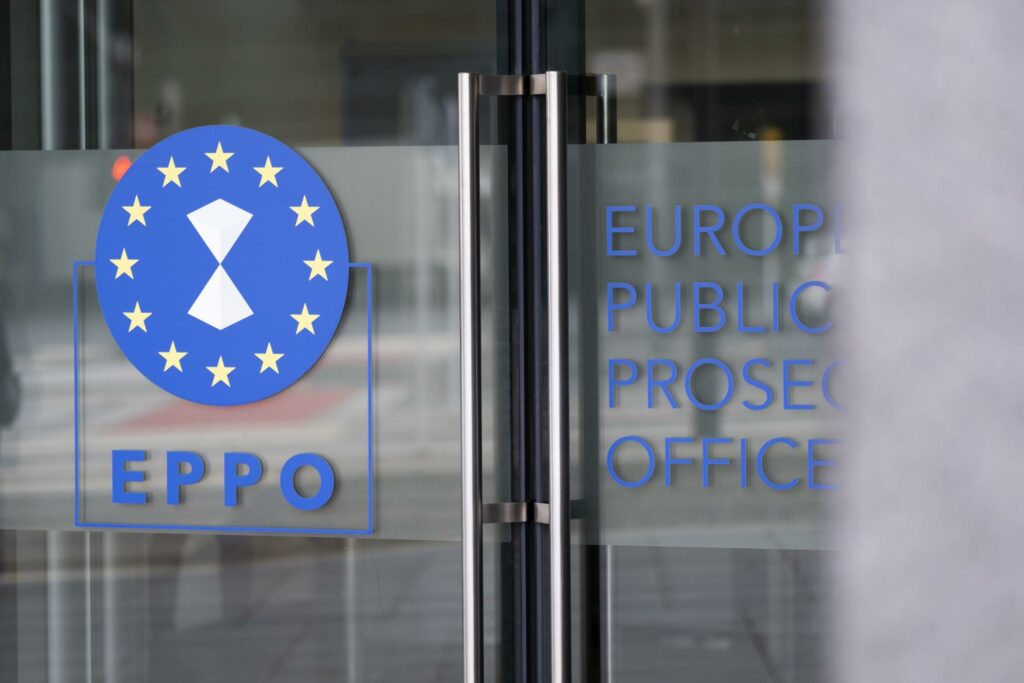
Belgian police raids on elite institutions, European Public Prosecution Office (EPPO)-led investigations into former high officeholders, and public affirmation of the presumption of innocence are not signs of a system in crisis. They are signs of a system working. The rule of law is not proven by the absence of wrongdoing. It is proven by the refusal to look away when wrongdoing may have occurred, even or especially at the highest levels.
Across much of Africa, including my country of birth, Nigeria, this is still the frontier of governance reform. The challenge is not a lack of impressive laws or anti-corruption agencies. It is the absence of a culture in which powerful individuals genuinely fear legal consequences, where whistleblowers are protected, and where elite institutions can be scrutinised without political permission.
Too often, state action against corruption becomes selective: punitive when politically convenient, dormant when elites close ranks.
What could go wrong, and why the world is watching
This investigation shows Europe’s rule-of-law machinery in action, but there’s still plenty that could go wrong. More crucially, failure here would echo far beyond Brussels. High-profile corruption cases often fall into familiar traps: sluggish, opaque trials; timid prosecutors; pressure to “protect institutions”; or quiet settlements that sidestep real accountability.
Any of these outcomes would be a gift to rogue elites in Africa and beyond, who already claim that impunity is universal. They’d point to this and say, “Even in Europe, nothing happens to the powerful.” To avoid fueling that narrative, the process must be exemplary. Transparent without compromising evidence, free from political interference, and above all, timely and firm in applying the law wherever it leads.
An acquittal, a legal finding that the accused are not guilty, can’t be ruled out. But if it happens, it must be as clear and well-founded as a conviction. What matters is credibility, not choreography. Europe cannot afford a soft landing or a quiet burial of this case, because the global signal it sends will shape perceptions of governance far beyond the continent. That signal will reach reformers and fraudsters alike.
The Brussels case, therefore, offers a quiet but powerful governance lesson: institutions, not individuals, are the guardians of integrity. When an anti-fraud office (OLAF) can trigger an investigation, when a supranational prosecutor (EPPO) can compel cooperation, and when a national judge can authorise raids on a prestigious academy, it reinforces a culture where the law is more than a slogan.
Integrity is a process, not a promise
The EU is not perfect. No system hardly is. But its willingness to confront its own uncomfortable truths gives it the credibility to speak about governance internationally. And it gives countries like Nigeria a comparative lens. That lens is that anti-corruption efforts cannot be sustained by rhetoric alone. They must be anchored in independent institutions that outlive governments and personalities.
As this case proceeds, Europe must insist on one thing above all: an unbiased, transparent, apolitical process. If the accused are innocent, due process must clear them. If they are found guilty, consequences must follow. Either way, Europe strengthens its democratic DNA not by avoiding scandal, but by handling it with integrity.
At a time when global trust in public institutions is under strain, this case offers Europe an opportunity to demonstrate that rule-based governance is not just a value written into treaties. It is a living practice. And in doing so, it offers young people and older reform-minded Africans a reminder that a fair society is built not on the virtue of leaders, but on the strength of the systems that hold them to account.
