
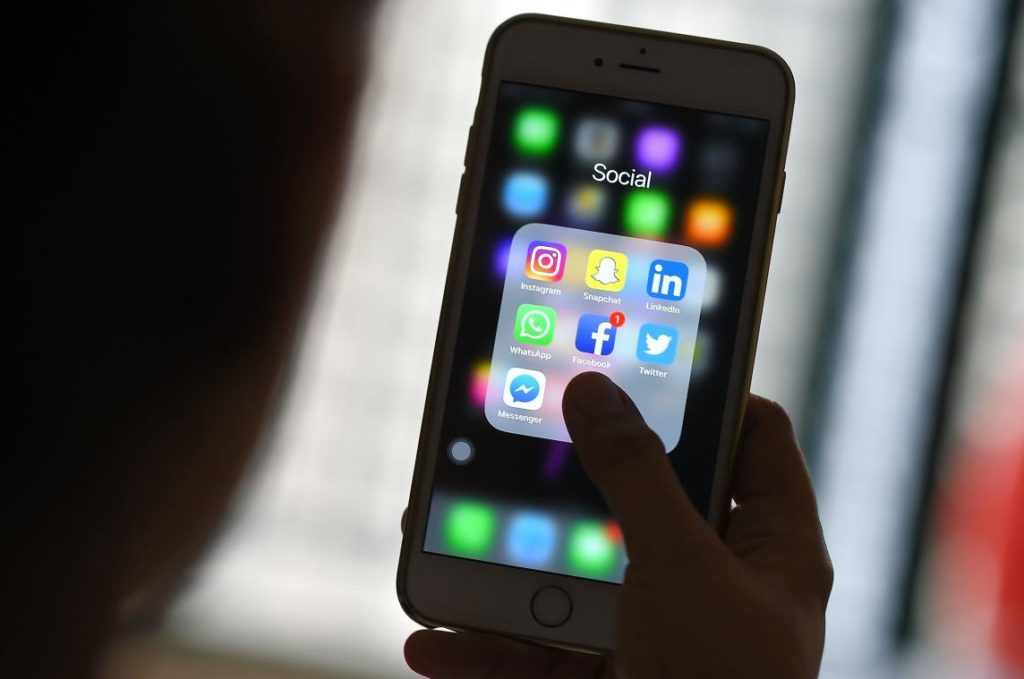
If you’ve scrolled online in the last six months, your impression would be that more and more governments want to ban teenagers from social media platforms.
Greece, France, England and Spain have made it clear: the likes of Instagram, Twitter and TikTok are dangerous town squares, where kids shouldn’t be spending their childhood. The EU has been on it for years, with the so-called CSAR (Child Sex Abuse Regulation). But is it the right approach?
It’s known that pedophiles and all types of sexual degenerates have used social media platforms to harass children. Telegram, which usually refuses to regulate its channels, has become a playground for groomers.
Twitter, which, under Elon Musk, became a cesspool in the name of 'free speech', also houses several groomers. Instagram and TikTok, whose user base is much younger, are almost more dangerous, though in terms of regulation, 'better' regulated.
Since Big Tech won’t do it, the EU stepped in and proposed a solution. This is where the CSAR bill comes in, which would indiscriminately scan all chats. One problem: privacy. The EU is the birthplace of privacy, with bills like the DSA (Digital Services Act) and the GDPR (General Data Protection Regulation) displaying a different version of online browsing than the US (all can be done) and China (we will restrict and create our own ecosystem).
It’s the reason why CSAR hasn’t been passed yet, four years after it was first proposed. Another problem is that this is the view of boomers on social media, which many still rarely use. Gen Z is also known to be more aware of its digital rights and insists on its privacy more than preceding generations.
Gen Z’s take on regulation
So governments opted to just propose banning it for children. If teenagers cannot be on social media, surely that fixed the issue? Well, sort of. But also, not really. It looks great on paper, but it targets the wrong problem. Younger generations always find a way around, and will access apps through VPNs or the deep web.
Banning social media arguably also limits freedom of speech, given this is where most of GenZers - like myself - spend their time online. Should they spend time on shady forums (as did millennials), it only leads to more deregulation, where child groomers end up winning. Banning teenagers from social media is, in other words, the equivalent of parents telling us that 'depression doesn’t exist'. It ignores the core problem.
Could it be that Big Tech should be regulated? Both Elon Musk and Mark Zuckerberg opted to eliminate a major share of their moderators because, in their eyes, they are not needed. Content moderators are the first wall of the worst content: they filter through what most should not be seeing.
When they deregulated their platforms, it was a conscious choice against consumer safety. In any other business, if you decided to build a defective bridge, you would be blamed for endangering citizens and would be fined or suspended from building other bridges.
Fining Big Tech is difficult. Number one, because there are no alternatives (for now). This is a wider digital sovereignty issue, but it means that Europeans do not have any sort of leverage against technocrats.
Europe needs leverage, not bans
For this, we need an alternative to Twitter, Instagram, TikTok, and so forth. For now, there have been attempts (Mastodon, BlueSky), but nothing more: open source projects usually fail due to the lack of appealing software, or simply, because there’s no incentive to switch platforms for users.
Holding Big Tech accountable, which has never been done before, is the first step. But for that to happen, the EU needs to be credible. It needs to understand that they should be considered like any other business: if they operate in Europe, they should go by European laws.
But for this to be realistic, it needs two changes: Building European platforms and creating a committee that isn’t full of boomers, but rather millennials or Gen Z, who actively use the platforms that will be regulated.
Regulating social media isn’t only about the children. At the age of 22, my issues with social media are similar to my younger or older peers: Doomscrolling and content, and I’m not always particularly interested in being (an algorithm with different goals to mine). Yet the EU says: let’s ban children instead.
If anything, the solution should involve Gen Z more than ever: we were the first 'digital natives', and know our way best around it. We have seen the mistakes of deregulation, suffering most from it during the lockdowns. So why doesn’t the EU take this into account and turn Gen Z from victims into regulators?
This isn’t only about social media: the CSAR bill, similarly to proposals of banning the internet, only further alienated Gen Z from believing in Europe, which is already in a tense relationship with.
